
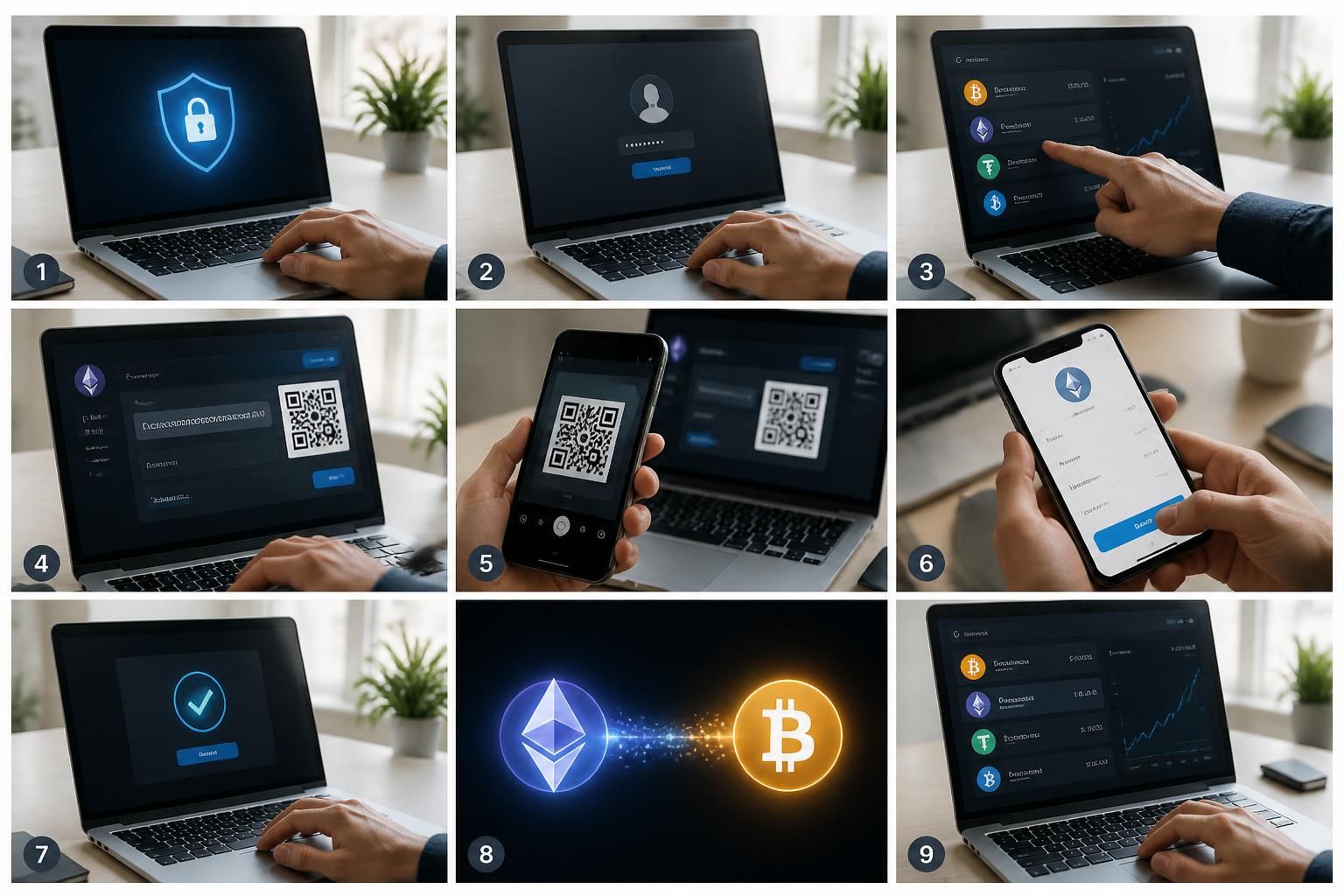
Embarking on your cryptocurrency journey opens doors to a world of financial innovation, offering fast transactions, autonomy, and investment opportunities. Yet, for newcomers, the crypto landscape in 2025 can feel complex and overwhelming, filled with technical terms, volatile markets, and security challenges. Whether driven by curiosity or financial goals, understanding how to make your first crypto transaction securely and confidently is an essential milestone. This guide breaks down the process step by step—starting with setting up your wallet, selecting your first digital assets, and navigating exchanges like Coinbase, Binance, and Kraken. Along the way, you’ll discover practical tips to protect your funds from scams and pitfalls, giving you the tools to embrace the future of money with enthusiasm and caution.
In brief: Grasp the fundamentals of cryptocurrency and blockchain technology; choose the right crypto wallet including hot options like MetaMask or Trust Wallet for convenience or cold wallets such as Ledger for enhanced security; select a trusted exchange platform like Coinbase, Binance or Gemini to purchase your first coins; understand transaction fees and blockchain confirmations; and adopt safety habits to avoid scams and protect your investment.
Understanding Cryptocurrency Basics Before Your First Transaction
Before diving into sending or receiving crypto, grasping its underlying technology and types is crucial. Cryptocurrencies are digital assets built on blockchain technology, a decentralized public ledger that records every transaction securely and transparently without relying on banks. This structure makes digital money like Bitcoin resilient to fraud, enabling near-instant cross-border transactions at lower fees than traditional banking.
Not all cryptocurrencies are the same. Bitcoin, often dubbed “digital gold,” offers scarcity and serves as a store of value, while altcoins such as Ethereum introduce smart contracts enabling complex operations beyond simple transfers. Stablecoins, pegged to assets like the US dollar, provide a stable medium to avoid crypto volatility for daily use or trading. Selecting which type to start with depends on your goals: holding, trading, or practical use.
Why Blockchain Matters for Your Transactions
The blockchain acts as a global, transparent ledger confirmed by thousands of independent computers. When you initiate your first transaction, it’s recorded in this public ledger that resists tampering and ensures trust without intermediaries. The trade-off is that every transaction requires a small network fee, known as a gas fee or miner’s fee, incentivizing participants who validate your transaction. Understanding this mechanism helps prevent surprises when transferring crypto.
Choosing and Setting Up the Right Crypto Wallet
Your cryptocurrency wallet is your personal gateway to owning and managing crypto assets. It stores the cryptographic keys needed to access your coins, so its security and ease of use are essential. Wallets fall broadly into two categories:
- Hot wallets: Applications like MetaMask and Trust Wallet remain connected to the internet, offering convenience and seamless integration with exchanges and dApps but come with increased security risks.
- Cold wallets: Devices such as Ledger or Trezor store keys offline, shielding your assets from cyber attacks—highly recommended if you plan to hold large amounts long-term.
To begin, pick a wallet that fits your needs and set it up by generating a seed phrase—a crucial backup phrase you must write down and keep secret to recover your wallet if needed. Never share this phrase with anyone.
Setting Up Your Wallet for Secure Transactions
After choosing your wallet, install the app or connect the hardware device. Create a strong password, enable two-factor authentication if available, and familiarize yourself with sending and receiving addresses. This preparation ensures your first transaction proceeds smoothly.
Buying Your First Cryptocurrency: Finding the Right Platform
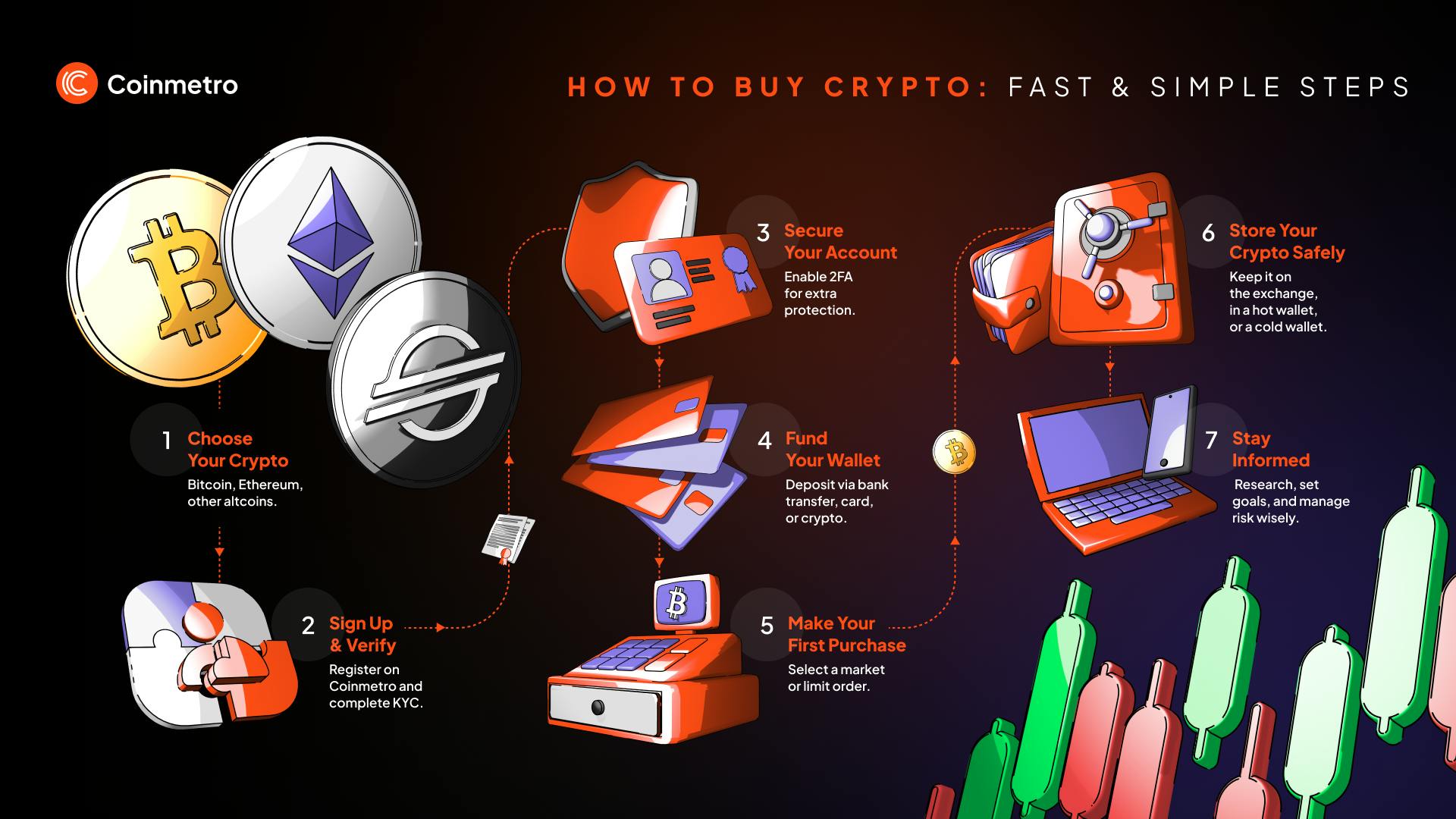
The next step is acquiring crypto coins. Trusted cryptocurrency exchanges such as Coinbase, Binance, Kraken, and Bitstamp offer user-friendly interfaces where you can convert traditional money into crypto. These platforms often require identity verification to comply with regulations but provide strong protections against fraud.
You’ll deposit funds via bank transfers, cards, or stablecoins, then place an order for the crypto you desire. Beginners often start with Bitcoin or Ethereum due to their stability and liquidity, but many altcoins present interesting opportunities if you’re ready to explore.
Transaction Fees and Confirmation Times Explained
Every crypto transaction involves paying fees, which vary by network load and asset type. For example, Ethereum’s gas fees fluctuate depending on demand, whereas Bitcoin’s fees depend on transaction size. Also, transactions need network confirmations to be finalized, ranging from a few minutes up to an hour. Patience and understanding these timings will enhance your experience.
Making Your First Secure Crypto Transaction
Sending your first cryptocurrency requires both precision and caution. Start by copying the exact recipient’s address—a long string of letters and numbers unique to their wallet. Always double-check this address to avoid irreversible mistakes.
Next, enter the amount and review the associated network fee. Confirm your details carefully before authorizing the transaction in your wallet. Once submitted, the transaction propagates through the blockchain, and you can monitor its progress until it receives enough confirmations.
Using popular and reputable wallets like Trust Wallet or hardware wallets like Ledger significantly lowers the risk of hacks and scams during transactions.
Beware of Common Scams and How to Stay Protected
Unfortunately, scams abound in crypto, particularly targeting beginners. Fake websites mimicking exchanges or wallets, phishing attempts via social media, and fraudulent offers promising unrealistic returns are prevalent. Always verify URLs, avoid unsolicited links, and never share your private keys or seed phrases. Learn more about common traps and how to avoid them at avoiding crypto scams.
Track and Manage Your Crypto Investments
After successfully making your first transaction, continuous management is key. Track your portfolio’s performance on apps like Crypto.com, and stay updated with market trends through informed resources. Creating a strategy—whether holding for the long term, trading, or exploring decentralized finance—will take your crypto experience beyond the basics.