
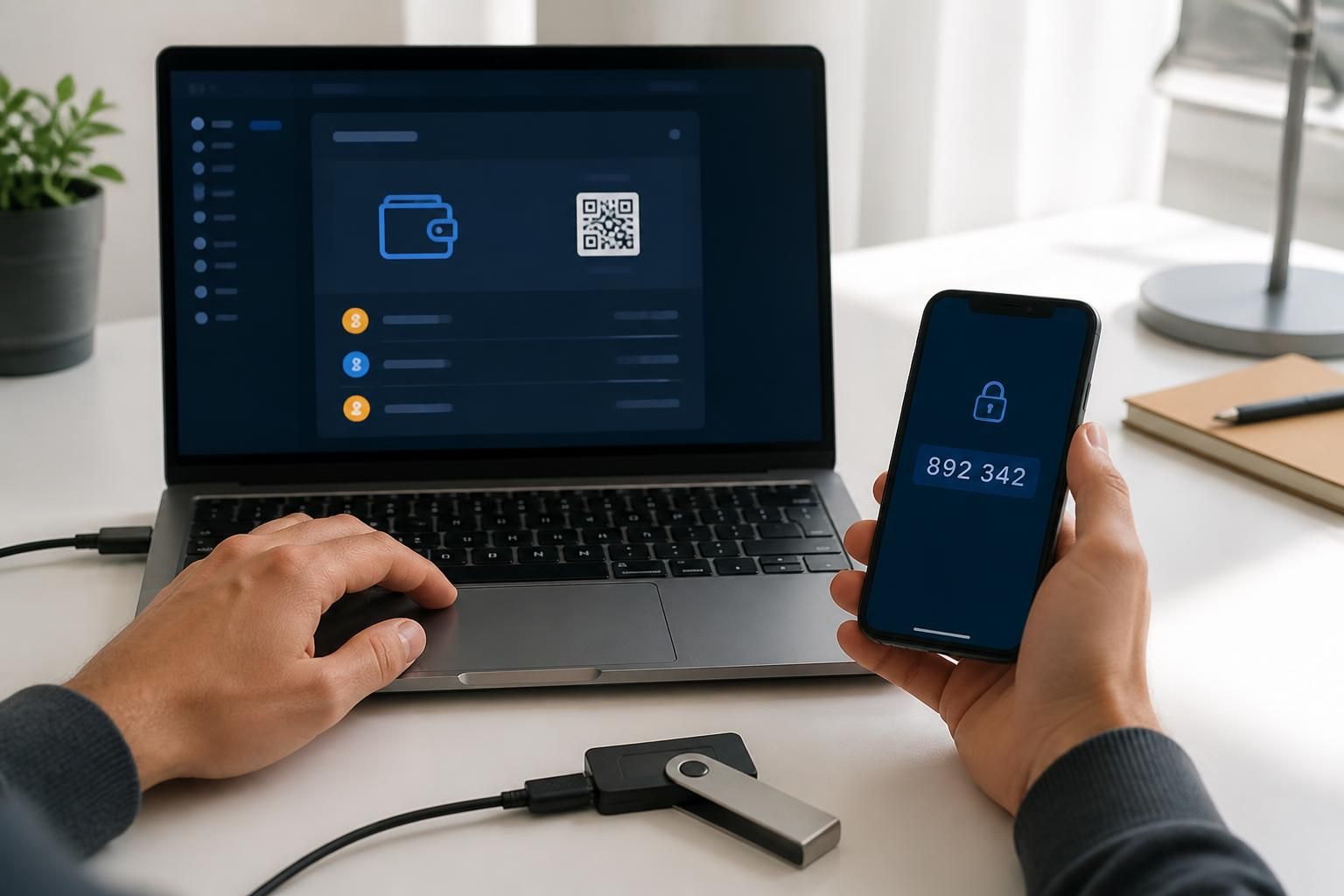
Entering the crypto world starts with one vital step: setting up your very first cryptocurrency wallet. As digital assets surge in popularity, mastering the smart management and protection of your crypto holdings becomes essential. Whether you’re eyeing Bitcoin, Ethereum, or other altcoins, your wallet is the cornerstone for storing, sending, and receiving cryptocurrencies safely.
In brief: Grasp the pivotal role of choosing the right type between software, hardware, or paper wallets to balance convenience and security. Emphasize the importance of backing up your recovery phrase for access restoration. Get familiar with simple steps to set up your wallet, enable robust security like two-factor authentication, and safely fund your account. Avoid common pitfalls such as weak passwords and phishing scams to ensure your crypto journey starts strong.
Unlock the Power of Cryptocurrency by Creating Your First Wallet
Diving into cryptocurrencies can seem intimidating at first, but with the right guidance, setting up your first wallet is an empowering experience. Today’s wallets come in varied forms, ranging from software wallets like Trust Wallet and Exodus, to robust hardware options such as Ledger and Trezor. Each type offers unique advantages, adapting to different user needs and security levels.
For instance, software wallets installed on your phone or computer grant instant access and are fantastic for daily transactions but require vigilance against malware and hacking. Contrastingly, hardware wallets store your keys offline, dramatically decreasing the risk of cyberattacks, which is ideal if you’re committing to long-term crypto storage. And then there are paper wallets, a more manual but ultra-secure option for those who want an offline backup.
Understanding the Different Crypto Wallet Types and Their Benefits
Choosing the right wallet depends on your priorities, whether it’s accessibility or security. Web wallets like MetaMask offer seamless interaction with decentralized applications and crypto exchanges such as Coinbase or Binance, but because they store information online, they require strong passwords and cautious browsing habits.
Software wallets provide great convenience—you can install apps on your desktop or smartphone to manage your assets. Wallets like Atomic Wallet and BitGo support multiple cryptocurrencies, which is beneficial if you plan to explore beyond Bitcoin and Ethereum.
For the highest security, hardware wallets like Ledger or Trezor keep your private keys offline on physical devices. This isolation means that even if your computer is compromised, hackers cannot access your funds directly. This method suits serious investors or anyone holding significant amounts of crypto.
Step-by-Step Guide: Safely Setting Up Your Crypto Wallet
Beginning your crypto journey is easier when you follow a clear set of steps. Choose a reputed wallet based on your comfort level and security needs—software wallets for ease or hardware wallets for enhanced protection.
Install the wallet and initiate the creation of your account. During this process, you’ll generate a recovery phrase, often called a seed phrase—usually a sequence of 12 to 24 words. This phrase is your lifeline to recover your wallet if you lose access to your device. Protect it diligently: write it down physically and store it somewhere safe, never online or digitally.
Once setup is complete, activate security measures such as two-factor authentication (2FA). This simple additional step significantly reduces unauthorized access risks by requiring a separate verification method beyond your password.
Adding funds involves sharing your wallet’s public address. This string of characters is safe to give out and is essential for receiving cryptocurrency from exchanges like Kraken or Binance, or from friends.
Maximize Security: Best Practices for Protecting Your Crypto Wallet
Protecting your wallet goes beyond setup — continual vigilance is key. Always opt for unique, complex passwords to shield your software wallets. Be cautious of phishing attempts impersonating well-known wallet providers or exchanges.
Regularly update your wallet app or device firmware to patch vulnerabilities. Consider keeping hardware wallets disconnected when not in use to maximize protection against online threats.
Sharing private keys or seed phrases can be disastrous. These must remain confidential under all circumstances. If someone else gains access, they could steal your entire crypto balance without recourse.
To explore further how to select and maintain your wallet best and deepen your understanding of crypto terminology, visit comprehensive resources such as crypto-terms glossary and beginner-focused guides like beginner cryptocurrency guide.