

The rapid expansion of cryptocurrency in 2025 presents both remarkable opportunities and unique challenges for newcomers. As digital assets gain mainstream traction, they attract not only genuine investors but also increasingly sophisticated scams preying on the uninformed. Navigating this dynamic landscape requires keen awareness and practical strategies to avoid falling victim to fraud. Understanding the mechanics of typical scams, recognizing warning signs, and employing robust security measures will empower you to safeguard your digital wealth from the outset. Whether you’re buying your first bitcoin on a trusted platform or securing your assets in a hardware wallet, knowledge is your strongest defense against crypto fraudsters.
In brief:
- Crypto scams exploit newcomers’ trust and desire for quick profits. Familiarize yourself with common fraud tactics like phishing, fake wallets, and pump-and-dump schemes.
- Strong security habits, including using hardware wallets like Ledger or Trezor and enabling two-factor authentication, are essential safeguards.
- Conduct thorough research about projects and platforms before investing, checking for reputability and community feedback via resources such as CryptoCompare.
- Stay informed on emerging threats and regulatory updates to anticipate new scam methods.
- Act promptly and report any suspicious activity to authorities and your wallet provider to mitigate losses.
Understanding the Most Common Cryptocurrency Scams and How to Spot Them
Cryptocurrency’s allure lies in its decentralized nature and potential for high returns, but this same quality attracts a spectrum of scammers targeting beginners unfamiliar with crypto ecosystems. These fraudsters often mimic legitimate services such as exchanges or wallets, using clever phishing emails or fake apps to extract your private keys or drain your funds. For example, a popular trick involves fake versions of apps like MetaMask or wallets that vanish once you deposit funds. Recognizing the difference between authentic platforms and counterfeit ones is paramount to protecting your assets. Staying cautious about unsolicited investment offers and promises of guaranteed gains will protect you from falling prey to Ponzi schemes or pump-and-dump tactics that artificially inflate asset prices before crashing them.
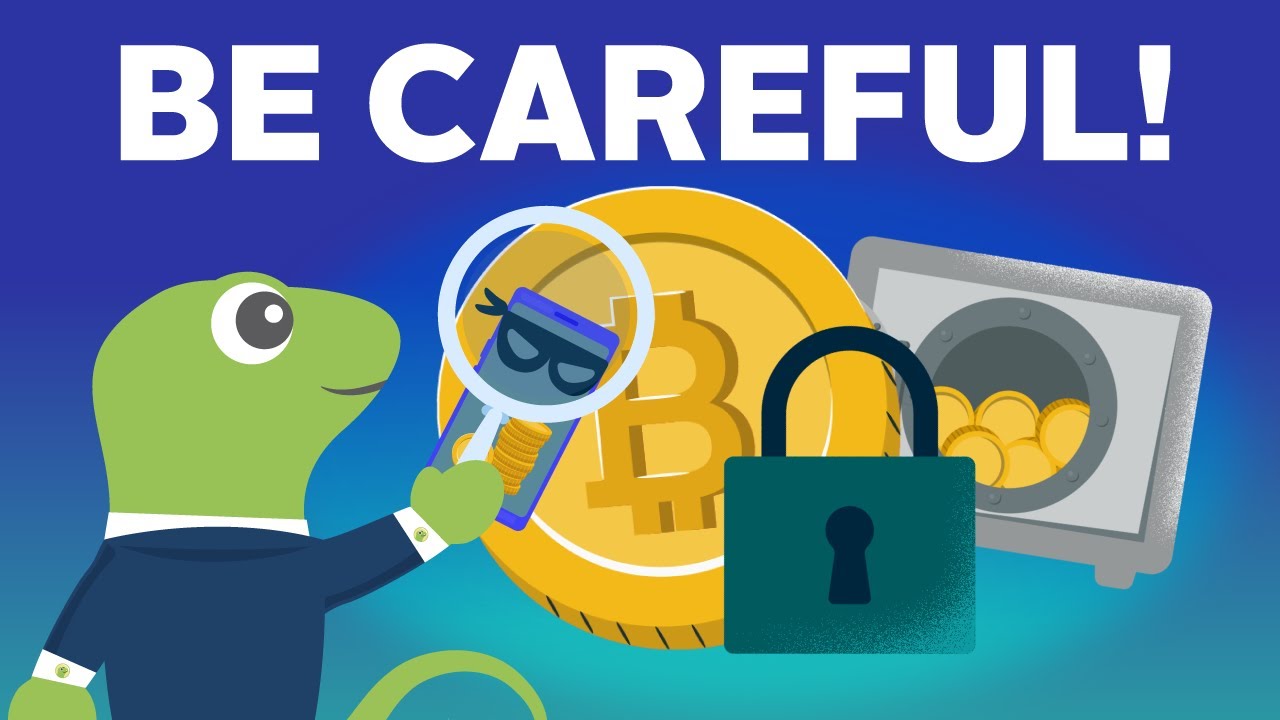
Red Flags Every Beginner Should Notice
Scam artists thrive by exploiting human psychology—playing on emotions like greed and fear. Be wary if you receive unanticipated messages pushing urgent investments or if an offer guarantees unusually high returns with no risk. Authentic crypto opportunities never rush you into decisions. Always verify exchange credentials and wallet security details, consulting reliable sites such as those endorsed by Chainalysis or CipherTrace to confirm legitimacy. Tools like CryptoGuard or Elliptic can also help detect fraudulent transactions, enhancing your defenses.
Essential Security Measures to Protect Your First Crypto Investment
Securing your wallet is the frontline of defense in the crypto world. Hardware wallets such as Ledger and Trezor are widely recommended because they store your keys offline, shielding you from phishing attacks and online hacks. Additionally, enabling two-factor authentication (2FA) on your exchange accounts and wallets adds a crucial security layer. Even when using popular platforms like Coinbase, never underestimate these precautions.
Setting up a robust wallet is as important as choosing the right cryptocurrency to start with, so take time to familiarize yourself with wallet safety best practices. Never share your private keys, avoid storing them digitally, and back keys up offline securely. The fewer digital traces you leave, the harder it becomes for hackers to breach your defenses.
Choosing Trusted Exchanges and Verified Crypto Services
At the core of a safe crypto journey is the use of trustworthy exchanges and services. Leading names such as Coinbase and platforms rated highly by sites like CryptoCompare provide well-regulated environments with strong security protocols. Verify domains carefully to avoid phishing sites impersonating genuine services. Transparency in fee structures, clear customer support channels, and community feedback are vital clues toward reliability.
Platforms like CryptoGuard and tools powered by firms such as CipherTrace offer comprehensive risk assessments on crypto platforms, assisting beginners in making informed choices. Never rush into new apps promising instant riches; instead, learn from guides like cryptocurrency beginner steps to build solid foundations.
Psychological Tactics Scammers Use to Trap You
Understanding the mindset scammers exploit can help you resist impulsive mistakes. They often create urgency—pressuring you to act before you have time to think or research. The fear of missing out on a “limited-time” offer or greed from promised quick profits can cloud judgment. Recognizing these manipulative tactics will help maintain a level-headed approach to cryptocurrency.
How to Report and Recover from a Scam
If you realize you’ve been targeted, quick and decisive action can reduce damage. Reporting incidents to entities like the FBI’s IC3 or the Federal Trade Commission (FTC) increases the chance of tracking scammers. Contacting your wallet provider or exchange immediately to freeze accounts and support investigations is critical. Although recovering lost funds is often difficult, prompt reporting can aid prevention efforts.
Continuous education plays a pivotal role in combatting crypto fraud. Trusted news sites like those linked through crypto glossaries and educational platforms enable ongoing awareness about threats and innovations. Engaging with communities and forums also offers real-time intelligence, helping you stay one step ahead of scammers.