

Ethereum has recently experienced an unprecedented surge in its network usage, setting a new record for daily transactions. This remarkable spike comes at a time when the blockchain achieves this high throughput while maintaining its transaction fees near historic lows, a combination that significantly boosts its appeal within the cryptocurrency ecosystem. The milestone reflects Ethereum’s growing dominance in handling a diverse range of on-chain activities, including DeFi protocols and smart contracts, which continue to drive demand across its platforms.
Since the deployment of the Fusaka upgrade in December, Ethereum’s activity has soared to reach nearly 2.9 million transactions processed in a single day, marking an increase of over 70% compared to its previous all-time highs during the 2021 bull market. This expansion is supported by a notable reduction in gas fees, now averaging just 0.04 gwei or less than $0.01 per operation, making typical swaps extremely affordable for users. Meanwhile, operational enhancements, such as streamlined block gas limits and the introduction of optimized Blob processing objects (BPOs), have significantly improved the blockchain’s scalability and efficiency.
In addition to the surge in transaction volumes, the network’s validator queue—the waiting line for consensus participants—has dramatically shortened, falling below 24 hours after weeks of exceeding a month-long backlog. Although the queue to join remains above 47 days, this reduction signals improved health and responsiveness of the Ethereum consensus mechanism in this PoS era. While Ethereum continues to strive toward becoming an “ultra sound money” asset with deflationary qualities similar to Bitcoin, it currently observes a steady increase in circulating ETH supply due to its monetary policy post-Merge, yet the burn rates and usage levels hint at promising future dynamics to achieve this goal.
For newcomers eager to explore the Ethereum ecosystem, understanding these latest developments is essential as they underscore Ethereum’s growing robustness, affordability, and real-world application potential. Tools like blockchain explorers can help beginners navigate Ethereum’s transaction landscape, while insights into data capacity upgrades shed light on scalability enhancements. The rise in stablecoin payments further underscores Ethereum’s pivotal role in the evolving DeFi space where real and efficient asset transfers occur more economically than ever.
Ethereum Achieves Record High Activity With Unprecedented Low Gas Fees
The Fusaka upgrade has undeniably transformed Ethereum’s operational capabilities. With a significant block gas limit increase and smart utilization of Blob processing objects, Ethereum now supports a surge in transaction volumes without burdening users with costly gas fees. The recent data reveal a whopping 2.88 million transactions in one day—a figure that was previously unattained even during peak market cycles.
This growth is not a mere statistical blip but represents a fundamental evolution in how Ethereum scales and adapts to the increased demand created by applications spanning from traditional smart contracts to cutting-edge DeFi innovations. Unlike many blockchains that see fees skyrocketing during times of heavy usage, Ethereum’s ability to keep transaction fees near record lows brings unmatched accessibility for retail and institutional users alike.
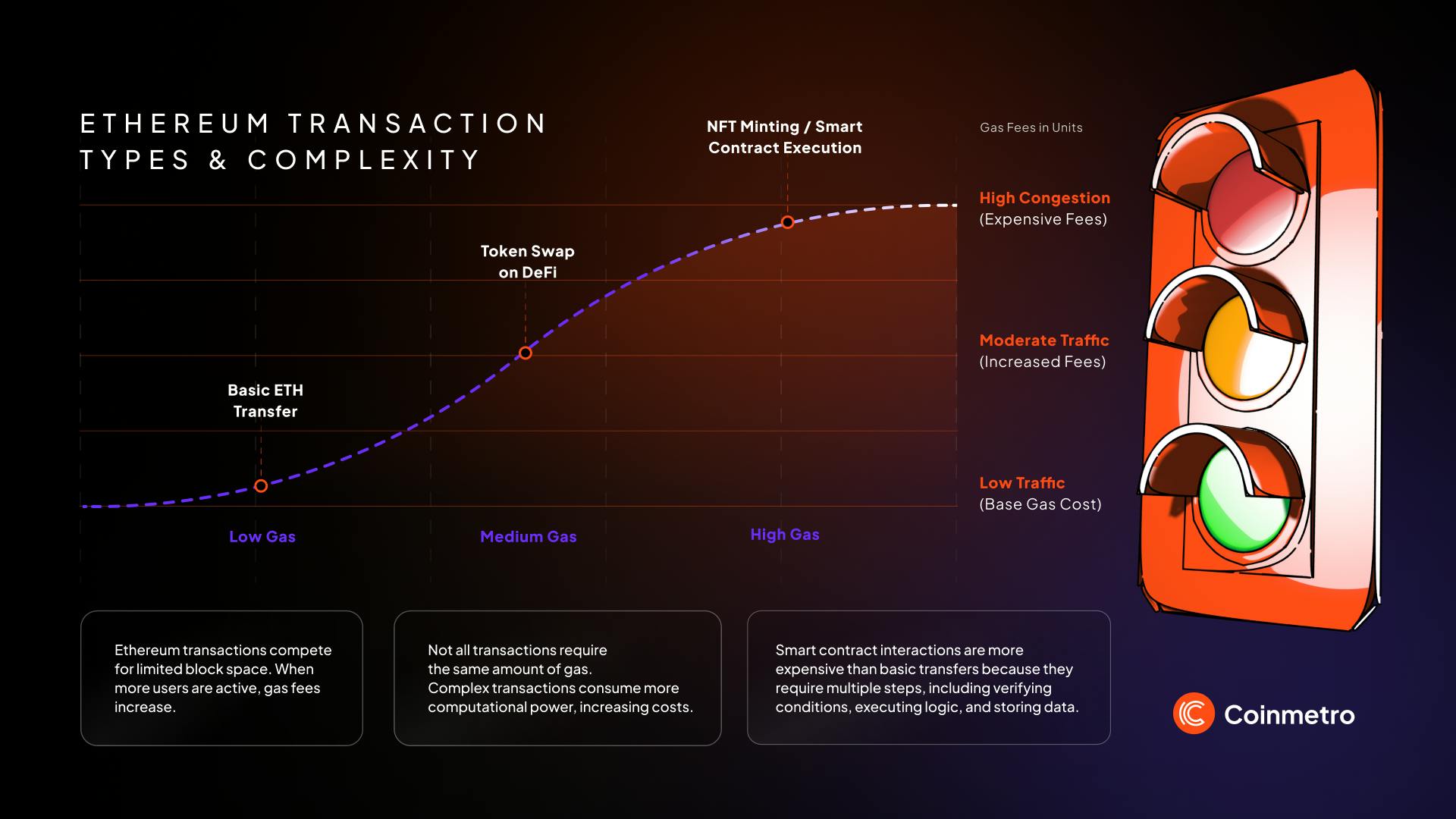
How Ethereum’s Low Fee Environment Spurs DeFi Growth
One practical implication of Ethereum’s lowered gas fees is the explosion of activity in decentralized finance. Projects that facilitate lending, borrowing, and trading of assets flourish as users can execute complex smart contract transactions at minimal costs. This accessibility encourages participation from smaller investors, democratizing opportunities that were previously hampered by prohibitive fees.
The surge in volume also catalyzes innovation. New protocols can test and deploy features without the fear of user drop-off due to high costs. Such a dynamic environment aligns well with the ambitions of co-founder Vitalik Buterin, who advocates for continued efforts to maintain simplicity while scaling for broader adoption. For those looking to deepen their understanding, exploring Vitalik’s perspective on decentralized stablecoins is highly recommended, revealing how foundational network economics interplay with user experience.
Validator Queue Improvements Reflect Stronger Network Stability Post-Upgrade
Behind Ethereum’s scaling achievements lie advances in consensus participation. The validator queue, previously a bottleneck with waiting times exceeding 30 days, has shrunk significantly under the Fusaka upgrade to less than 24 hours for active participants. This improvement not only eases network stresses but enhances decentralization by making validator onboarding smoother, thus supporting Ethereum’s security and performance.
While some delays remain for new validators entering the queue, the encouraging trend signals that the network is handling its staking demands more effectively. Investors and users can gain confidence in Ethereum’s proof-of-stake consensus, an innovative shift confirmed with The Merge in 2022. Observers mindful of blockchain investment dynamics may also find insights in Ethereum’s evolving position compared to Bitcoin investors.
Why the Path Toward Ultra Sound Money Demands Patience and Innovation
Despite the surge in activity and network robustness, Ethereum continues to face challenges in achieving the status of “ultra sound money,” a concept that implies a deflationary supply akin to Bitcoin. Post-Merge supply dynamics show a monthly increase in circulating ETH, including nearly 867,000 ETH amassed over the last few years despite an aggressive burn mechanism exceeding 2 million ETH.
This balance reflects a complex economic model where increased usage, low gas fees, and supply management efforts intersect. Prospects for Ethereum’s deflationary aspirations might hinge on sustaining activity growth and effective burns, which could eventually create scarcity and value appreciation. Explorations into network data trends can be enriched by visiting analyses on Ethereum daily transactions and how these underpin monetary policy shifts.