

In the dynamic world of cryptocurrency investment, newcomers often find themselves at a crossroads between the two undeniable titans: Bitcoin and Ethereum. As of 2025, these digital assets continue to lead the market, yet they serve fundamentally different purposes that impact their investment potential. Bitcoin, often hailed as “digital gold,” is known for its scarcity and role as a store of value, attracting investors seeking a long-term hedge against inflation. Conversely, Ethereum has evolved beyond a mere digital currency to become a vibrant ecosystem powering smart contracts, decentralized finance (DeFi), and a plethora of innovative blockchain applications. This ecosystem approach fuels Ethereum’s growth trajectory, making it a captivating option for investors eager to explore blockchain’s expanding capabilities. Understanding the nuances between these giants is essential for building a robust crypto portfolio across platforms like Coinbase, Binance, Kraken, or Gemini.
To start strong in crypto investing, grasping each coin’s unique strengths can guide your decisions. Bitcoin’s appeal lies in its proven security and fixed supply, factors that have anchored its trillion-dollar market capitalization and driving expectations of continued growth. Ethereum’s advantage is its versatility and innovation potential, stirring excitement around new market segments such as NFTs and blockchain gaming. This head-to-head comparison sheds light on why Ethereum might one day outpace Bitcoin in value, while Bitcoin remains unrivaled as digital wealth protection. New investors stand to benefit from weighing these factors carefully, with tools and marketplaces such as eToro, BlockFi, Ledger, Robinhood, Crypto.com, and CoinMarketCap providing accessible avenues to participate and learn.
Which Cryptocurrency Offers the Best Investment Potential: Bitcoin or Ethereum?
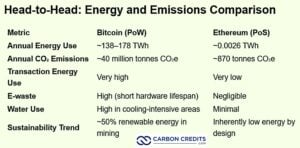
When evaluating the best cryptocurrency to invest in, it’s essential to understand how Bitcoin and Ethereum differentiate themselves. Bitcoin is widely recognized for its scarcity, with a fixed supply capped at 21 million coins. This finite nature underpins its “digital gold” status, appealing to investors looking for a stable store of value amidst economic uncertainty. Its Proof of Work consensus mechanism ensures robust security and decentralization, although it comes with significant energy consumption challenges that have sparked environmental debates in the crypto community.
Ethereum, in contrast, acts as both a digital asset and a comprehensive blockchain platform. It introduced smart contracts, enabling developers to build decentralized applications (dApps) ranging from financial services to gaming. This dynamic ecosystem continuously attracts innovation and investment. With mechanisms like EIP-1559 that burn fees to control supply, Ethereum demonstrates a nuanced approach to managing inflationary pressures, supporting price appreciation. For newcomers using exchanges like Binance or Kraken, Ethereum’s diverse use cases make it an intriguing entry point into the fast-expanding decentralized finance sector.
Understanding Ethereum’s Role as Blockchain’s Digital Oil
Dominic Basulto describes Ethereum as the “digital oil” in the blockchain universe—a critical resource powering a vast ecosystem of decentralized finance and applications. From the rise of NFTs to gaming and DeFi, Ethereum has consistently been at the forefront of innovation. This has translated into strong growth prospects, attracting forward-looking investors who believe the blockchain revolution will expand rapidly and change global finance in profound ways.
For instance, Ethereum’s smart contracts have already created significant value by enabling decentralized lending, borrowing, and trading without traditional intermediaries. Industry leader Cathie Wood of Ark Invest estimates that smart contract platforms, currently led by Ethereum, could generate over $5 trillion in new market value in the coming years—almost five times Bitcoin’s current market cap. For new investors, this highlights Ethereum’s potential to offer outsized returns as blockchain applications proliferate.
Bitcoin’s Immutable Position as the Premier Store of Value
Bitcoin, pioneered as digital gold, remains the prime candidate for investors seeking a secure and inflation-resistant asset. Anders Bylund emphasizes the unmatched network effect Bitcoin enjoys, with its $1 trillion market cap and broad institutional acceptance creating significant barriers to entry for competitors. Despite a landscape full of rivals touting technical improvements, none have successfully challenged Bitcoin’s first-mover advantage or its status as the most trusted decentralized store of value.
As regulatory frameworks evolve globally, Bitcoin’s resilience is tested but so far intact, reinforcing confidence among investor communities. However, investors should remain mindful of potential risks such as advances in quantum computing, which could challenge Bitcoin’s cryptographic security, or unforeseen regulatory restrictions. For beginners setting up wallets with providers like Ledger or trading on platforms such as Crypto.com and Robinhood, Bitcoin continues to represent a foundational holding expected to appreciate with mainstream financial adoption.
Balancing Risks and Rewards in the Crypto Landscape
While Bitcoin offers a relatively safer harbor as a long-term asset, Ethereum embodies the spirit of innovation within the cryptocurrency realm. Each investment presents unique risks and rewards: Bitcoin’s value rests heavily on scarcity and security, while Ethereum’s price momentum is tied to its ecosystem’s growth and adoption. Notably, in cautious portfolio construction, crypto enthusiasts often allocate funds across both assets to blend stability with high growth potential, diversifying across exchanges like Gemini, Crypto.com, or BlockFi for access and security management.
New investors should also consider storage solutions carefully. Hardware wallets like Ledger provide enhanced protection for Bitcoin and Ethereum holdings, safeguarding against hacking risks prevalent in online accounts. Meanwhile, emerging platforms like eToro offer simplified social trading experiences that help beginners engage with crypto markets confidently.