
Blockchain explorers are essential tools that unlock the hidden world of cryptocurrency transactions and blockchain activity for everyone. They serve as transparent windows into the blockchain, allowing users — whether beginners or crypto veterans — to trace transactions, inspect wallet addresses, and analyze network dynamics. As blockchain technology continues to grow in importance in 2025, understanding how to navigate and leverage these explorers is more critical than ever for anyone involved in crypto, from casual users verifying payments to businesses handling crypto transactions securely.
These explorers demystify the seemingly complex data stored on decentralized ledgers by presenting it in an accessible, user-friendly manner. With explorers such as Etherscan for Ethereum or the Blockchain.com Explorer for Bitcoin, users can confidently probe every transaction’s path, check confirmation statuses, and interpret block details that underpin the security of blockchain networks. This level of transparency boosts trust and empowers users to engage with cryptocurrencies fully informed and in control.
Understanding What a Blockchain Explorer Is and How It Works
A blockchain explorer is a web-based tool that connects directly to a blockchain network, allowing anyone to search and view detailed information on transactions, blocks, wallet addresses, and more. Unlike traditional finance systems where transaction data is often hidden or restricted, blockchain explorers provide an open window into the entire transaction history, making blockchain an unparalleled model of transparency.
Each blockchain network typically has its own dedicated explorers, optimized for its unique structure. For instance, Ethereum’s blockchain data is easily accessible through Etherscan, while Bitcoin transactions can be tracked via Blockchain.com Explorer or Blockstream Explorer. These explorers pull data from the blockchain’s public ledger via APIs, showcasing live and historical transaction records, block confirmations, and wallet activities.
Key Features That Make Blockchain Explorers Indispensable
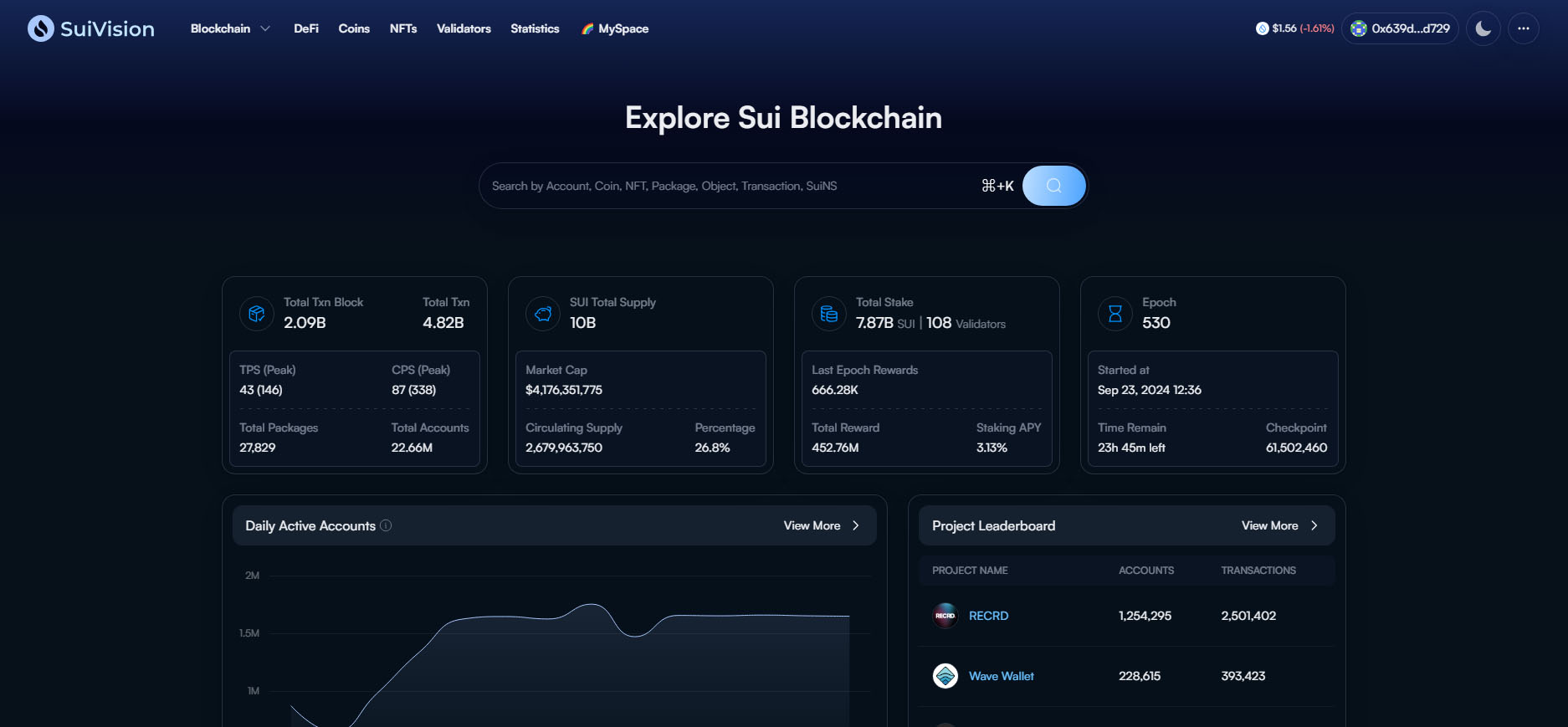
Explorers allow users to input transaction hashes or wallet addresses to retrieve a wealth of information. This includes the transaction’s status, timestamps, amounts transferred, fees paid, and the originating and receiving addresses. Some explorers, like Blockchair, go beyond basic transaction tracking by offering real-time network metrics such as hash rates and pending transactions, which are invaluable for understanding network health and activity.
Additionally, explorers like Polygonscan and Tronscan facilitate the monitoring of token transfers, smart contracts, and NFT ownership, which are rapidly expanding fields in the crypto ecosystem. Their ability to demystify these complex interactions is empowering for traders, developers, and enthusiasts alike.
How to Use a Blockchain Explorer Effectively
Using a blockchain explorer begins with entering a specific transaction ID, wallet address, or block number into the search bar of the explorer platform. This simple action unlocks comprehensive insights about a transaction or wallet, including transfer amounts, transaction fees, confirmation count, and even associated smart contract interactions.
For example, if you want to verify that a payment you sent has been confirmed on the Bitcoin network, you could paste the transaction hash into the Blockchain.com Explorer. The explorer will then display the confirmation status, ensuring you have complete confidence in the transaction’s success.
Similarly, wallet monitoring is incredibly useful for businesses accepting crypto payments, enabling them to reconcile incoming and outgoing transactions efficiently. Explorers like BscScan excel in providing detailed transaction logs on Binance Smart Chain, which many DeFi projects use.
Practical Tips to Avoid Mistakes When Navigating Blockchain Data
When exploring blockchain data, it’s crucial to double-check wallet addresses before investigating or performing transactions. A single character mistake can lead to erroneous data retrieval or, worse, lost funds. Moreover, users should verify transaction statuses carefully: some transactions could be pending or failed, and understanding these states helps avoid confusion.
It’s equally important to cross-reference data with multiple explorers whenever possible. For Ethereum, while Etherscan is comprehensive, confirming details on secondary explorers adds a layer of verification that strengthens trust in the data accuracy.
Why Blockchain Explorers Are Vital for Transparency and Trust in 2025’s Crypto Ecosystem
The backbone of blockchain technology’s promise is its transparency and immutability. Blockchain explorers embody this by letting anyone confirm in real-time what happens on the network without any intermediaries. This open access combats fraud, reduces disputes, and fosters trust among participants. For businesses, this means they can confidently accept digital currencies, knowing they can verify every payment independently.
Moreover, explorers play a key role in identifying suspicious or fraudulent behavior. By monitoring transaction patterns and wallet histories on platforms like Cardanoscan for Cardano or BTCscan for Bitcoin, users can detect scams or phishing attempts early, safeguarding their digital assets effectively.