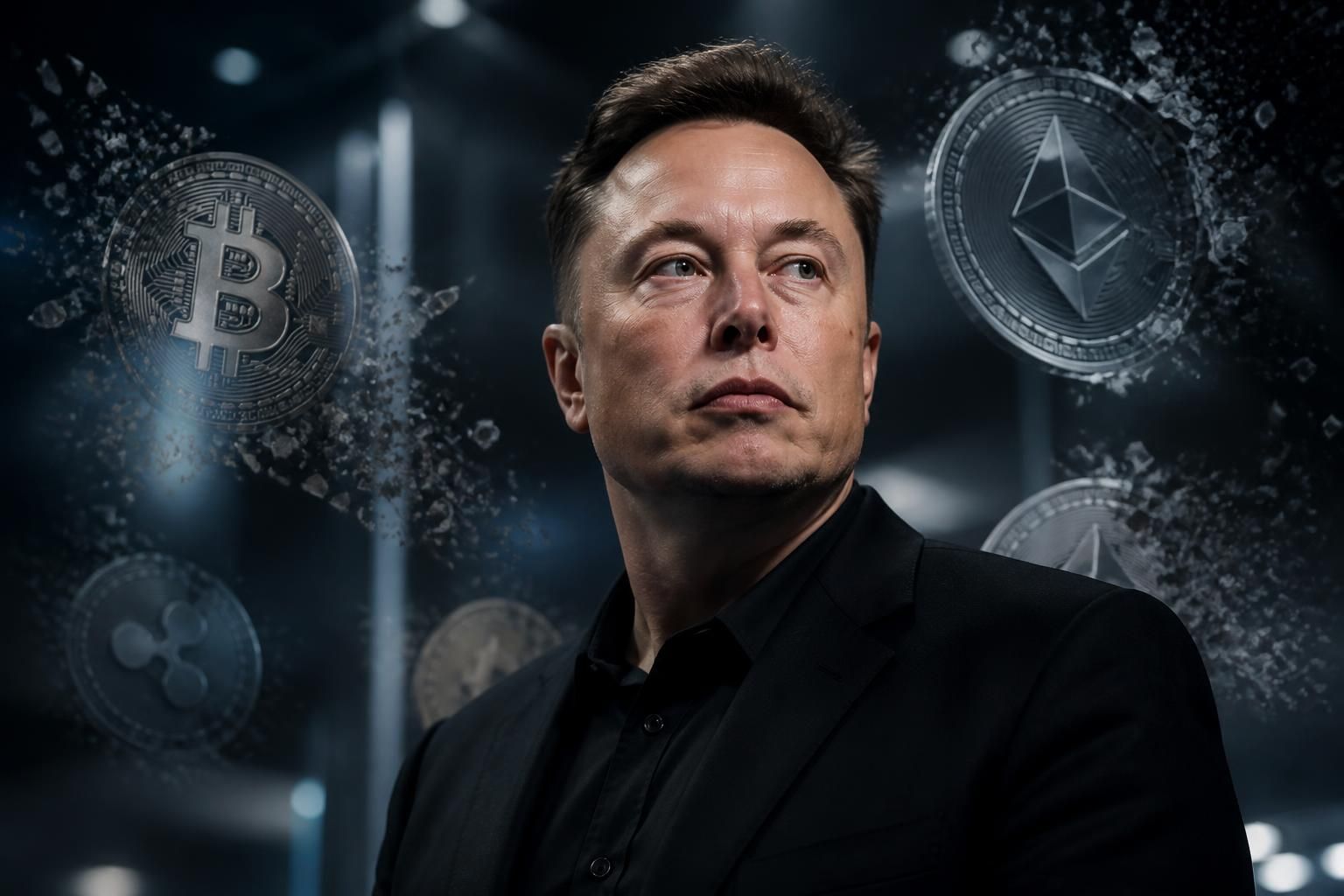
Elon Musk’s recent courtroom revelation has sent shockwaves through the cryptocurrency community. During his testimony in a high-profile trial against OpenAI, Musk declared that while a handful of cryptocurrencies hold genuine value, the vast majority are scams. This stern warning highlights enduring market risks and underlines the need for investor caution, especially in a space increasingly crowded with questionable digital currency projects. As the crypto landscape evolves, understanding which assets are legitimate and which are fraught with danger has never been more essential for financial security.
In Brief:
- Elon Musk testified under oath that most cryptocurrencies are scams, emphasizing the prevalence of crypto fraud.
- He contrasted the legitimacy of Bitcoin with the flood of dubious altcoins that followed its success.
- New investigations into projects like Worldcoin reveal troubling practices, including misuse of biometric data and artificially restricted token circulation.
- The ongoing turmoil calls for heightened investor vigilance regarding blockchain projects and digital currency investments.
- Awareness and education on these issues remain critical for protecting one’s assets and navigating the complex crypto market.
Elon Musk’s Warning: Navigating the Risks in Cryptocurrency Investments
In a courtroom in Oakland, Musk faced a jury with a candid message: while some cryptocurrencies possess real merit, the bulk of them are elaborate scams designed to trap unwary investors. This came amidst a lawsuit between Musk and OpenAI, where discussions around a failed ICO from 2018 re-emerged. The billionaire accused OpenAI of betraying its nonprofit roots by partnering with Microsoft and commercializing its AI technologies. This backdrop gave Musk a platform to address a broader issue—the integrity and safety of investing in digital currencies.
His comments resonate deeply when considering how many beginner investors find themselves overwhelmed by the plethora of crypto projects flooding the market. The blockchain space, celebrated for innovation, unfortunately also hosts numerous projects that exploit hype and misinformation. It’s a stark reminder that avoiding crypto scams demands vigilance and thorough research.
Learning from Tesla’s Bitcoin Experience: What Investors Should Know
Tesla’s cryptocurrency journey offers a real-world lesson. In 2021, the company made headlines by purchasing $1.5 billion in Bitcoin, symbolizing a major endorsement of digital currency’s potential. However, by 2022, Tesla had offloaded 75% of its holdings, missing out on a significant bull run. Their remaining 11,509 bitcoins faced a depreciation of $222 million in early 2026 but still hold substantial value. This example underscores both the volatile nature of crypto markets and the importance of a measured, well-informed investment strategy.
For beginners keen on entering the market, understanding the nuances between buying first Bitcoin and navigating an ocean of less reputable tokens is crucial. The roadmap to financial security in crypto requires patience, education, and sometimes a healthy dose of skepticism.
Deep Dive into Worldcoin Controversies: A Cautionary Tale
Simultaneously, well-known blockchain investigator ZachXBT has cast doubt on Worldcoin, another project tied to AI pioneer Sam Altman. The investigation revealed alarming methods of distributing the WLD token, including a limited circulation that mirrors manipulative practices seen in past crypto disasters. The project’s heavy use of biometric data, such as iris scans in developing countries, raises profound ethical questions about privacy and exploitation.
ZachXBT’s findings suggest that such projects can quickly deviate from their original promises, giving rise to black markets for verified accounts and unsustainable inflation of token supplies. This erosion of trust emphasizes the constant threats of crypto fraud and market manipulation lurking beneath the surface of blockchain innovation.
Newcomers must approach such ventures with extreme caution, prioritizing verified projects and learning to spot red flags. Resources like how to verify crypto legitimacy provide invaluable guidance to safeguard investments against deceptive schemes.