

Entering the world of cryptocurrency in 2025 offers exciting possibilities but also requires caution. With the explosion of new tokens and projects across platforms like Binance and Coinbase, ensuring the legitimacy of investments is more crucial than ever. For beginners, understanding how to distinguish genuine projects from scams protects your assets and builds confidence for future crypto endeavors. This guide unveils key strategies to navigate the ecosystem safely, empowering you to make informed decisions.
In brief: Verifying crypto legitimacy involves researching the project’s team, whitepaper, and roadmap; observing community engagement and regulatory compliance; leveraging tools like CoinMarketCap for metrics and Etherscan for transaction verification; recognizing red flags such as unrealistic promises; and learning from successful projects to guide prudent investing.
Why Verifying Cryptocurrency Projects Matters for New Investors
The cryptocurrency market’s rapid growth has attracted both passionate innovators and opportunistic scammers. As a beginner, protecting your investment starts with recognizing that not all that glitters is gold. Every year, countless projects emerge, yet only a fraction have sustainable value. Verifying a project’s legitimacy safeguards your funds and contributes to a robust crypto ecosystem. A thorough look into the team’s credentials reveals whether there’s real expertise behind the scenes, while analyzing foundational documents — including whitepapers and roadmaps — helps assess technical viability and long-term goals.
Reports from industry authorities like CryptoCompare highlight how due diligence can significantly reduce loss risks. By verifying compliance with evolving regulations, you align with legitimate efforts and avoid entanglements with fraudulent ventures. Taking these steps equips you to participate confidently on leading exchanges such as Kraken, where trustworthiness is paramount. Overall, your journey in crypto begins effectively by masterfully distinguishing legitimate projects from deceptive schemes.
Key Indicators of a Legitimate Cryptocurrency Project
Certainty in your investments grows when you focus on essential factors that indicate a project’s trustworthiness. Prominently, learning about the development team is vital. Credible projects openly share their team’s blockchain experience, education, and previous successful ventures. For example, reputable platforms maintain publicly accessible bios and verifiable social presence.
A well-drafted whitepaper provides insights into the problem the project solves, the technology underpinning it, and a clear, achievable development roadmap. Transparency about milestones avoids unrealistic promises that often accompany scams. Furthermore, active community engagement signals grassroots support, often visible through forums and social media channels moderated by project leaders.
Incorporating compliance with regulations enhances legitimacy. Investors should prefer projects vetted by external auditors or legal advisory teams, as aligned regulatory adherence is a marker of professionalism in the evolving crypto sphere.
Essential Research Tools to Validate Cryptocurrency Projects
Several online instruments empower beginners to verify cryptocurrencies. Platforms like CoinMarketCap allow you to monitor token metrics, including market cap, trading volume, and liquidity. Using Etherscan, you can track token transactions and contract details, verifying active and transparent blockchain activity.
Chainalysis offers comprehensive analytics to detect suspicious patterns across blockchain networks, enhancing scam detection. For secure storage and protection of digital assets, hardware wallets such as Ledger and Trezor provide peace of mind when interacting with verified tokens.
Engaging with community-driven analytics platforms like Messari can shed light on project fundamentals and real-time updates. Before investing, reviewing unbiased forums and expert reviews, already gathered in resources dedicated to beginner cryptocurrency guides, equips you with a comprehensive perspective.
Always remember, authenticity checks combined with multiple tools form the backbone of secure investment decisions.
Recognizing Warning Signs: Common Red Flags in Fraudulent Projects
Identifying potential scams requires vigilance. A common trap is the lure of guaranteed, spectacular returns with negligible risk. Legitimate ventures never promise effortless profits – risk disclosure is a standard practice.
Another red flag is a scarce or anonymous development team. Projects lacking verifiable backgrounds or hiding core members should be approached with extreme caution. Similarly, excessively aggressive marketing tactics or pressure to invest immediately are trust breakers, indicating ulterior motives.
Watch for vague or incomplete whitepapers, as they often lack specified technology or development plans. Unrealistic timelines that claim rapid breakthroughs without credible validation point towards fraudulent intent. Transparency, both operational and financial, remains a cornerstone of authentic projects; secrecy is often a warning sign.
Protective Measures to Avoid Becoming a Victim of Crypto Scams
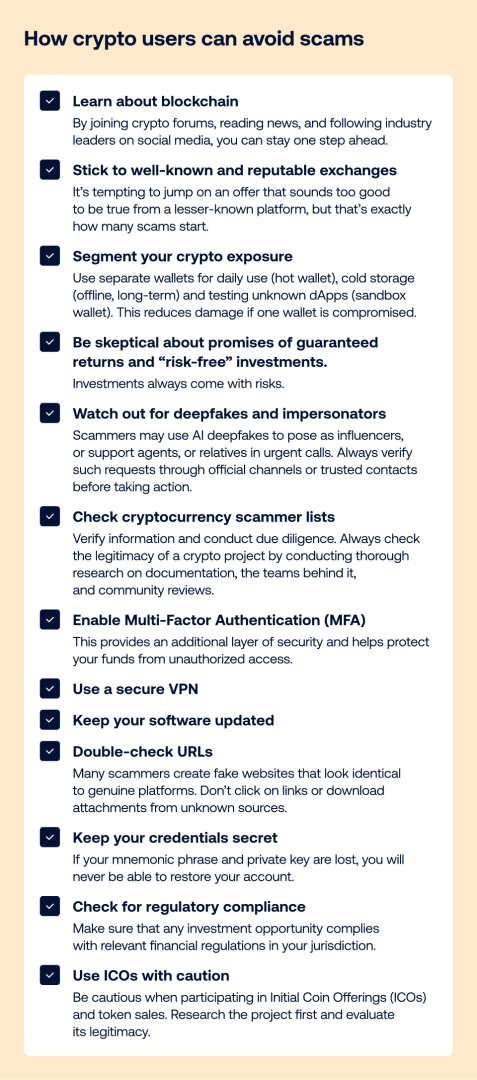
Stepping into the cryptocurrency space requires more than just enthusiasm; protective diligence is paramount. Start by meticulously researching the project’s team, advisors, and partners to confirm their legitimacy. Detailed scrutiny of the project’s whitepaper and testing for a functional product or prototype showcase ongoing development, differentiating genuine projects from empty promises.
Resist offers of sky-high returns with limited information—such pitches often exploit inexperienced investors. Use reputable exchanges like Binance and Coinbase which integrate advanced security protocols and offer thorough project vetting.
Consulting with trusted voices within the cryptocurrency community or financial advisors familiar with the sector adds layers of security. Resources such as those provided by crypto scam avoidance guides can further arm you against fraudulent projects.
Implementing these steps fosters a safer, more rewarding journey into digital assets.
Learning From Succeeding Cryptocurrency Projects: Verification in Action
Examining pioneering projects like Bitcoin, Ethereum, and Ripple illuminates best practices in legitimacy verification. Bitcoin’s decentralized ledger and widespread acceptance underscore trust built over years. Ethereum’s thriving developer community and transparent governance demonstrate how consistent updates foster confidence. Ripple’s partnerships with established financial entities and adherence to regulatory standards exemplify legitimacy through strategic alignment.
These projects underwent rigorous third-party audits and security evaluations, establishing standards new projects aspire to meet. Observing their journeys provides valuable lessons: thorough transparency, community involvement, and regulatory respect cumulatively build durable trust, creating the solid foundation necessary for long-term success.
Understanding these elements allows beginners to benchmark new investments appropriately, enhancing informed decision-making and reinforcing confidence in the crypto market’s transformative promise.