
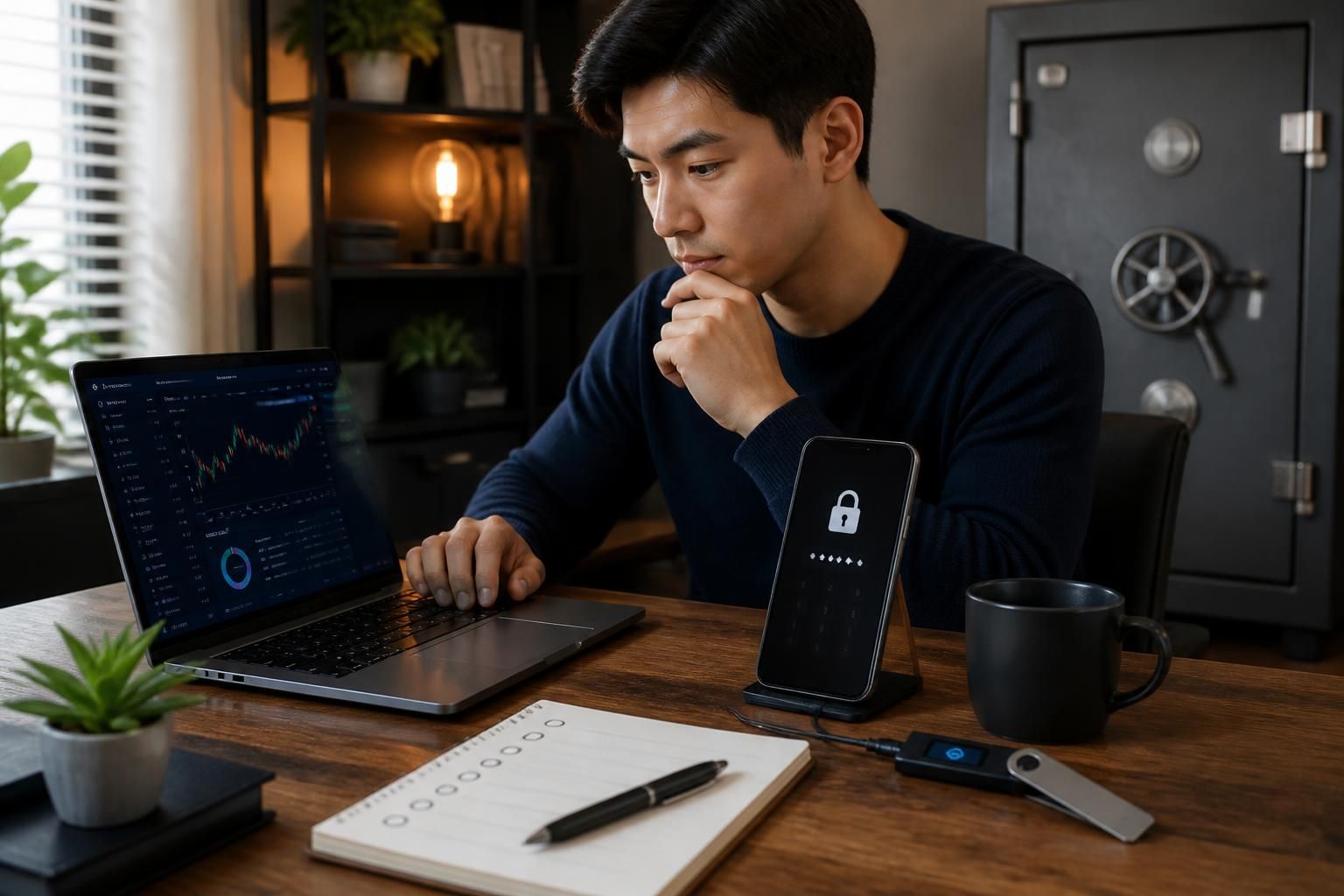
Embarking on your cryptocurrency journey in 2025 comes with incredible opportunities—and with them, responsibilities. Securing your digital assets has never been more crucial as cyber threats evolve rapidly alongside the crypto industry. Newcomers often face common pitfalls such as weak passwords, reused emails, and neglecting two-factor authentication (2FA). These vulnerabilities can lead to devastating losses, not just financially but also in trust and peace of mind. Whether you use a hardware wallet like Ledger or Trezor, or software wallets like MetaMask and Trust Wallet, understanding the basics of crypto security is your first step to safeguarding your investments and personal information.
By following this straightforward crypto security checklist tailored for beginners, you can take control of your digital safety in less than 15 minutes. From updating passwords to verifying the secure storage of your private keys, each step builds a solid defense against hacking attempts and scams—even as the landscape of threats becomes more sophisticated with analytics firms like Chainalysis enhancing blockchain transparency. As a first-time user, empowering yourself with these security habits will let you explore the vast crypto ecosystem confidently and securely, avoiding common mistakes that hinder many newcomers.
Fundamental Steps to Secure Your First Crypto Account Effortlessly
Securing your cryptocurrency begins with a simple but powerful move: strengthening your account credentials. Innovative solutions by platforms such as Coinbase offer built-in safety, yet the user’s part remains pivotal. Updating your password regularly is akin to changing your home locks; it ensures that even if someone previously had unauthorized access, that door is now shut.
Avoid predictable passwords like “123456,” which remains one of the easiest to crack. Instead, combine numbers, letters, and symbols to create a robust code. Within your account’s settings, make it a priority to change this password periodically, limiting threats before they can materialize.
Why Using a Unique Email for Crypto Accounts Is a Smart Shield
Using your everyday email for crypto services increases your exposure to cyber threats. Consider setting up a separate email address dedicated exclusively to your crypto activities. This strategy acts like a quarantine zone, limiting hackers’ ability to infiltrate multiple accounts in case one email is compromised. Since your primary email likely links to social media, banking, and other sensitive services, isolating your crypto correspondence adds an extra layer of safety.
You can quickly update this email associated with crypto platforms under account settings. The few minutes spent here could save you from a cascade of security breaches later.
Activate Two-Factor Authentication—Your Crypto Account’s Double Lock
Enabling two-factor authentication (2FA) significantly reduces the risk of unauthorized access. Once configured, logging into your exchange or wallet—whether it’s BitGo, Fireblocks, or another reputable service like Trust Wallet—requires not only a password but also a temporary code sent to your device. This second verification layer counters phishing attempts and weak password vulnerabilities.
Opt for app-based authenticators such as Google Authenticator instead of SMS-based codes because they are more resistant to attacks like SIM swapping. The activation process is straightforward and only takes a few moments through the security settings of your chosen platform.
Ensuring the Safe Storage of Your Crypto Keys: Custodial vs. Non-Custodial Wallets
Your private keys represent the gateway to your crypto funds. Understanding the distinction between custodial and non-custodial wallets is crucial. If you use a custodial wallet—such as on exchanges like Coinbase—the service holds your keys securely, assuming you’ve followed the prior security steps.
For enhanced control, many prefer non-custodial wallets, including hardware options like Ledger or Trezor, which store keys offline. Here, your seed phrase is your ultimate backup—store it offline in a secure physical location such as a safe or safety deposit box. Without it, recovering lost access becomes impossible. Treat your seed phrase with the same care you would a bank vault code.
Final Security Practices to Keep Your Crypto Journey Safe and Confident
Even the simplest actions can drastically enhance your digital defenses. Dedicate just 15 minutes periodically to review account passwords, 2FA settings, and secure key storage. Avoid reusing emails linked to other high-risk accounts, and trust only reputable wallets and authentication providers.
For newcomers eager to dive deeper, exploring resources like crypto beginner steps and ways to avoid scams can offer valuable knowledge. These habits, paired with tools such as blockchain explorers and tracking apps, will place you ahead in the ever-evolving digital asset landscape.