
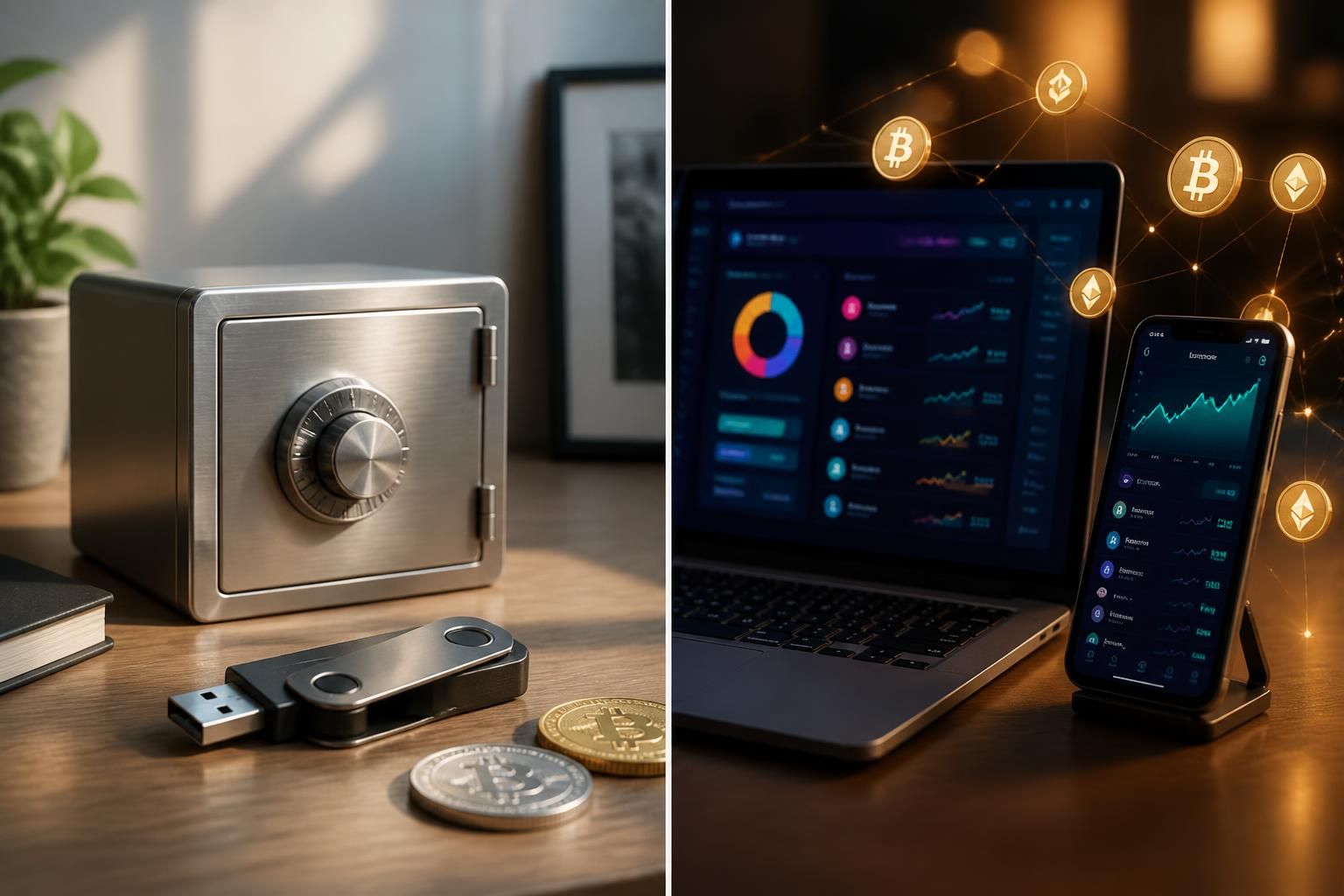
In the ever-evolving world of cryptocurrency, the choice between cold wallets and hot wallets is fundamental, especially for beginners taking their first steps. As digital assets grow in popularity and adoption soars in 2025, understanding where and how to store cryptocurrencies safely has become a key concern. While hot wallets offer seamless, real-time access for frequent transactions, cold wallets promise robust security by keeping assets offline. This balance between convenience and protection is crucial for anyone venturing into crypto, from retail investors to seasoned traders. Embracing the right wallet strategy not only enhances security but also empowers users to engage confidently with the booming decentralized finance ecosystem.
In brief, here’s what you need to grasp before diving into crypto wallets today: cold wallets like hardware wallets such as Ledger and Trezor, or simple paper wallets, excel in securing large portfolios for long-term holding. Conversely, hot wallets including popular apps like MetaMask, Trust Wallet, and Coinbase Wallet offer unparalleled ease and speed, catering to daily traders and DeFi users. However, the higher exposure of hot wallets to cyber threats underscores the need for prudent wallet management and, ideally, a combination of both storage methods optimized to individual needs.
What Makes Hot Wallets Essential for Crypto Beginners
Hot wallets are software-based wallets that stay connected to the internet, which makes them incredibly handy for frequent crypto transactions. This constant online access means users can send, receive, and trade assets instantly. Wallets like MetaMask, Trust Wallet, and Exodus exemplify this convenience, often being available through browsers, desktop apps, or mobile devices. For beginners eager to start trading or experimenting with decentralized applications, these wallets provide the gate to a vibrant crypto ecosystem.
Despite their convenience, hot wallets naturally carry risks. Because they operate online, they are more vulnerable to hacking attempts, phishing scams, and malware infiltration. This vulnerability is why it’s crucial to limit the funds stored in hot wallets and regularly rotate wallet addresses. Strong password practices, two-factor authentication, and staying informed through guides like avoiding crypto scams can dramatically reduce risks.
Types of Hot Wallets and Their Advantages
Hot wallets come in various forms tailored to different user preferences and devices:
- Mobile wallets are apps like Trust Wallet that enable easy access on smartphones.
- Browser extensions such as MetaMask embed directly into your web browser for quick DeFi app interactions.
- Desktop wallets like Exodus offer a richer interface and increased control on PCs.
- Custodial wallets, including those managed by exchanges like Coinbase Wallet, entrust your keys to third parties, trading some security for user-friendliness.
Ultimately, hot wallets are designed for accessibility and speed. Yet, beginners should understand that not all hot wallets provide the same level of security, especially between custodial and non-custodial options.
Why Cold Wallets Remain the Go-To for Secure Crypto Storage
Cold wallets are devices or solutions that store your private keys completely offline, shielding them from internet threats. Popular cold wallets include hardware wallets like Ledger, Trezor, and SafePal. For instance, KeepKey and BitBox also provide user-friendly hardware solutions. Paper wallets, while less used now, represent the simplest form of cold storage by keeping keys physically disconnected from digital vulnerabilities.
This offline approach offers unmatched protection, essential for holding significant amounts of cryptocurrency or assets intended for long-term investment. Many investors pair cold wallets with their hot wallets to balance security and usability effectively.
How Cold Wallets Operate and Their Unique Features
Most hardware wallets generate and store private keys within a secure chip and enable transaction signing internally, only sending the signed data online. This process keeps private keys isolated from malware and prevents online hacks. Devices like Ledger offer added features such as biometric authentication and encrypted firmware, further enhancing security.
Beginners should note that cold wallets can be more complex to set up and use than hot wallets. However, this complexity is a worthwhile trade for those serious about safeguarding digital assets. Guidance on the best practices for securing private keys can be found in resources like keeping your private keys secure.
Smart Wallet Strategies for New Crypto Users
Your wallet choice should align with your goals. For active traders and frequent users of decentralized finance, hot wallets like MetaMask, Trust Wallet, or Coinbase Wallet offer the speed and accessibility necessary for efficient operations. Conversely, if you’re investing for the long term, especially with substantial amounts, cold wallets such as those from Ledger or Trezor provide peace of mind through robust security.
Combining both types often makes the most sense. For example, a beginner may use a custodial wallet on a centralized exchange initially, then transition part of their funds to a hardware wallet as their holdings grow. This balanced approach mitigates risks while maintaining flexibility.
Additionally, modern wallet advancements such as Multi-Party Computation (MPC) integrate the security benefits of cold storage with the convenience of hot wallets, offering scalable solutions for both individual users and institutions. To deepen your understanding of crypto fundamentals and avoid pitfalls, articles like common beginner mistakes and comprehensive beginner guides are invaluable.