

Michael Burry, renowned for his accurate prediction of the 2008 financial crisis, has recently issued a stark warning about Bitcoin (BTC) that echoes the gravity of his previous forecasts. As BTC shows signs of a significant downturn in 2026, Burry warns of a potential “black hole” effect—where the collapse of Bitcoin could trigger widespread financial contagion beyond the cryptocurrency market. His insights highlight the interconnected risks facing investors as the digital asset experiences volatility not unlike prior financial crises.
In Brief
- Michael Burry identifies Bitcoin’s speculative boom and bust as a catalyst for broader market instability.
- The recent plunge in BTC’s price raises concerns about a cascading failure affecting crypto companies and traditional assets.
- Key financial thresholds, such as BTC falling below $50,000, could initiate significant market shocks, including mining bankruptcies.
- Investor risk management strategies may accelerate Bitcoin sell-offs, amplifying market downturns.
- The spillover effects could extend to precious metals markets, intensifying financial turbulence.
Michael Burry’s Financial Forecast: Bitcoin’s Crisis Could Trigger a Market Black Hole
Michael Burry, famed for calling out the 2008 subprime mortgage meltdown, maintains a critical stance toward Bitcoin’s current trajectory. After observing a volatile surge and steep decline in BTC throughout 2025, he argues that Bitcoin remains primarily speculative with no sustainable fundamental support. This speculative nature, according to Burry, sets the stage for a potential market crash with far-reaching consequences.
His warning is not just about Bitcoin itself but the ripple effects it might cause. Burry emphasizes that a continued Bitcoin slump could push large crypto-focused firms like Michael Saylor’s Strategy into significant financial distress. This could lead to a chain reaction where smaller treasury firms fail, shaking the confidence and liquidity of digital asset markets.
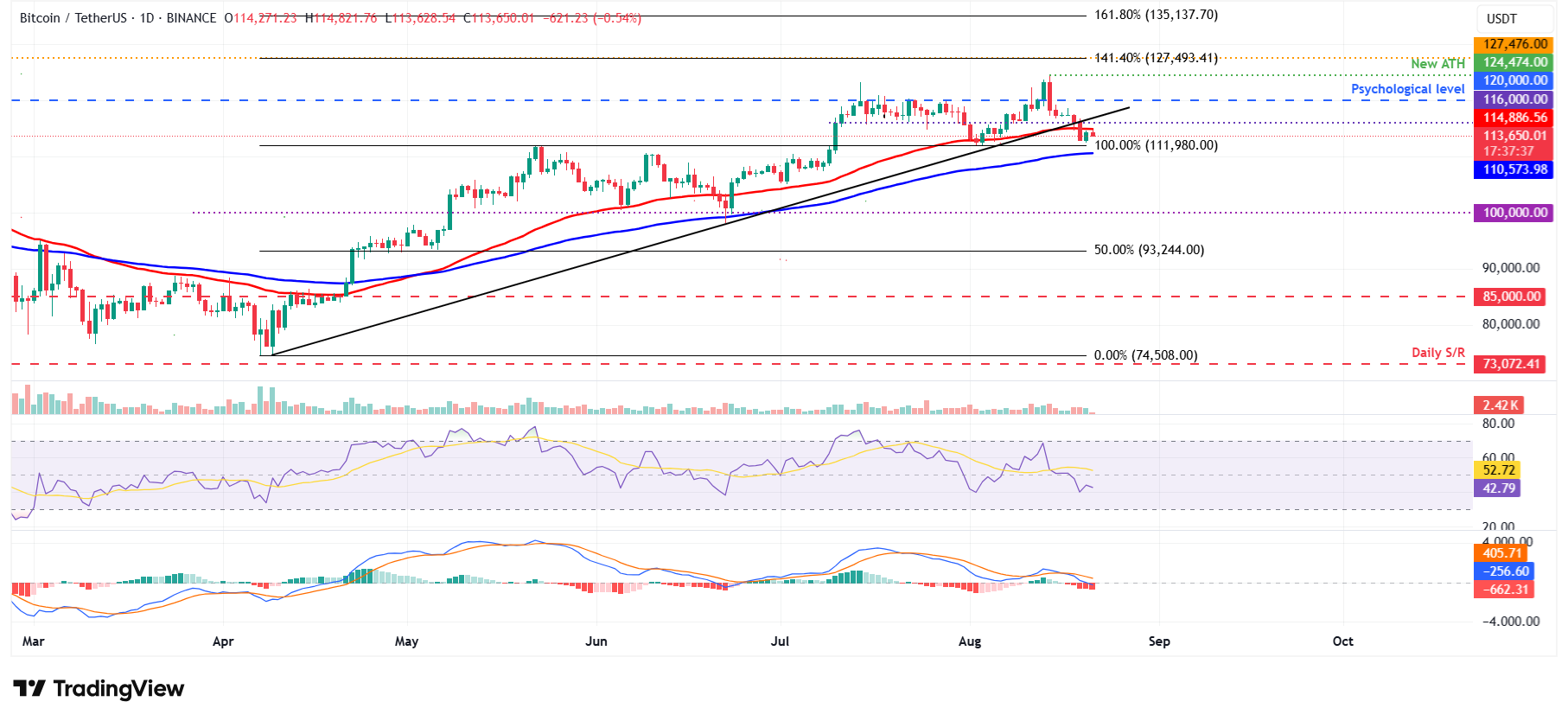
Bitcoin’s Role as a Financial Black Hole in 2026
The analogy of a “black hole” fits Burry’s warning: once Bitcoin reaches a critical tipping point, it could start absorbing and eroding value across countless connected assets. The threshold of $50,000 per BTC is particularly significant—below this, mining operations may collapse, further weakening Bitcoin’s infrastructure. Moreover, tokenized futures on precious metals like gold and silver could collapse into this void due to reduced investor appetite.
Burry’s perspective highlights how intertwined cryptocurrency markets have become with traditional assets, making the fallout from a BTC crash a comprehensive economic warning for 2026. Such crossover effects suggest that investors must tread carefully and remain vigilant to avoid deeper market shocks.
Market Ripples: From Crypto Crash to Broader Economic Warning
Beyond potential bankruptcies in the crypto sphere, the financial crisis forecasted by Burry warns of a contagion effect extending into conventional investment arenas. Fund managers adjusting for risk are likely to recommend clients divest from Bitcoin to mitigate losses during an extended bear market. This behavior could intensify downward pressure on BTC prices, creating feedback loops of panic selling.
Interestingly, the downturn in cryptocurrencies has historically coincided with declines in the precious metals markets, suggesting asset rotation under stress. Investors might liquidate profitable positions in tokenized gold and silver, compelling a multi-asset selloff that compounds the market instability.
Preparing for a Bear Market in Bitcoin
For newcomers to cryptocurrency eager to navigate these turbulent waters, understanding Burry’s warning serves as a call to educate oneself and manage risks prudently. While Bitcoin remains a powerful innovation in financial freedom, its volatility demands that investors plan for prolonged bearish phases and potential market crashes. Investigating strategies such as secure Bitcoin storage or diversification into resilient assets can provide a buffer against systemic shocks.
Those seeking to deepen their understanding of Bitcoin’s market dynamics and potential recovery pathways might find value in resources like Bitcoin forecast 2026 and guides on buying your first Bitcoin, both of which contextualize investment opportunities while emphasizing caution.