
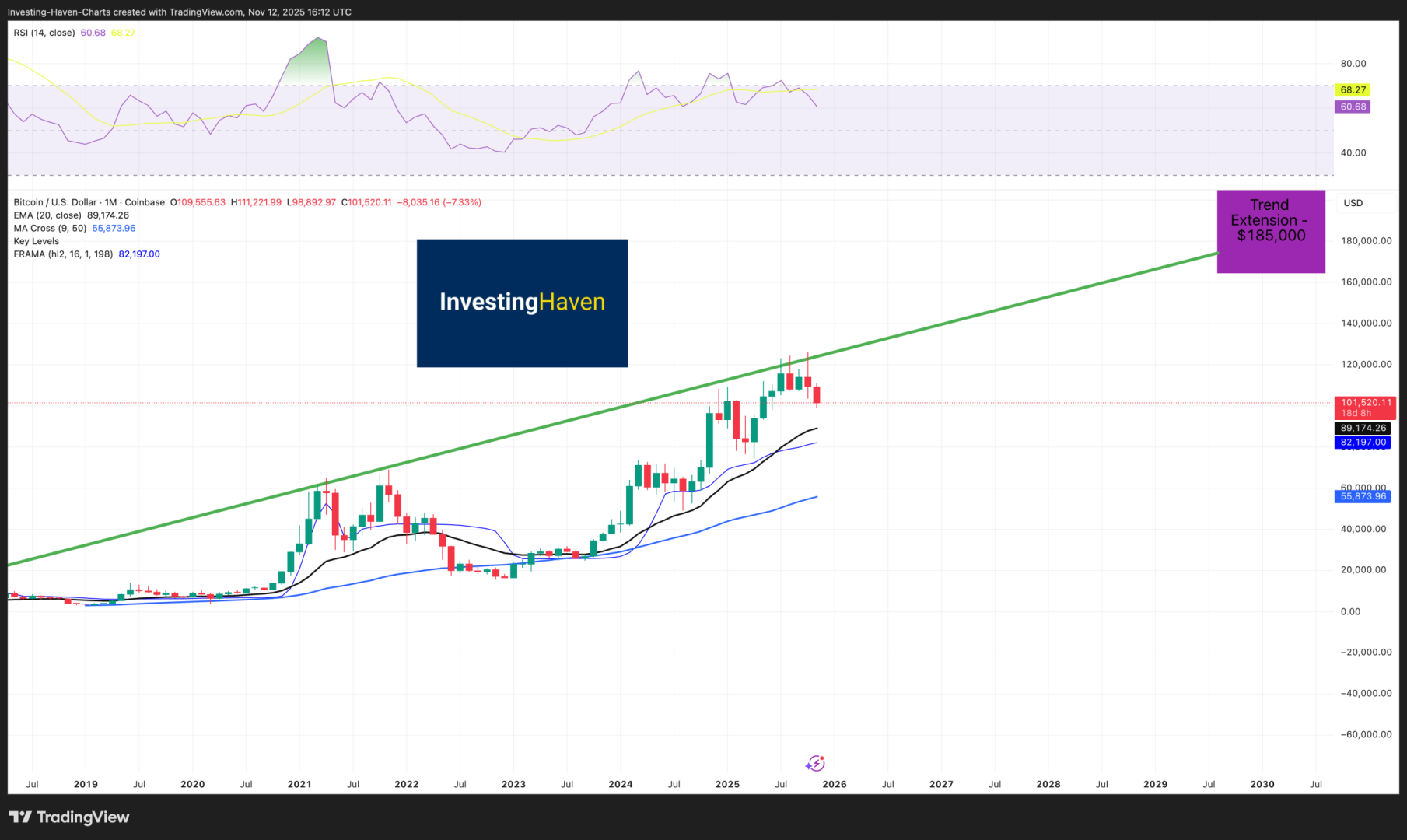
As 2025 draws to a close, the world of Bitcoin stands at a fascinating crossroads. The cryptocurrency, which has proven its resilience through highs and lows over the past decade and more, faces a pivotal moment in 2026. This upcoming year may not simply follow the well-trodden four-year cycle many traders and enthusiasts have grown to expect. Instead, it promises a landscape shaped by unprecedented institutional involvement, evolving macroeconomic factors, and the growing view of Bitcoin as a true macro asset comparable to gold. In this context, 2026 could mark a profound shift in market trends, investment strategies, and the broader financial outlook for digital currency.
What makes 2026 particularly captivating is the potential clash between traditional market cycles and new forces redefining Bitcoin’s role in global finance. Increasing liquidity from worldwide markets, regulatory developments including Bitcoin spot ETFs, and shifts in monetary policy could all converge to rewrite the rules of engagement for this leading cryptocurrency. Consequently, investors, analysts, and crypto enthusiasts alike are eager to explore whether Bitcoin will merely navigate another typical bear market or instead surge forward to solidify its position as a cornerstone of blockchain-based digital assets and financial portfolios worldwide.
Bitcoin’s 2026 Forecast: Between Classic Cycles and a New Financial Paradigm
Bitcoin’s history has often been defined by a repeating pattern tied closely to its halving events every four years, creating periods of rapid growth followed by corrections. However, as we step into 2026, seasoned crypto analyst Vincent Ganne highlights a compelling narrative: the familiar rhythms of the past may be disrupted. This is not just a speculation but an observation grounded in the evolving involvement of institutional investors who bring with them immense liquidity and market influence.
These market players are supported by innovations like Bitcoin spot ETFs now gaining traction, which provide accessible investment vehicles catering to both institutional and retail investors. Such developments enhance Bitcoin’s liquidity and stability, essential qualities for any asset aspiring to be classified alongside traditional macro assets like gold. The shifting landscape of global monetary policy, influenced by inflation control measures and geopolitical tensions, further fuels a complex environment where Bitcoin might transcend its original speculative status.
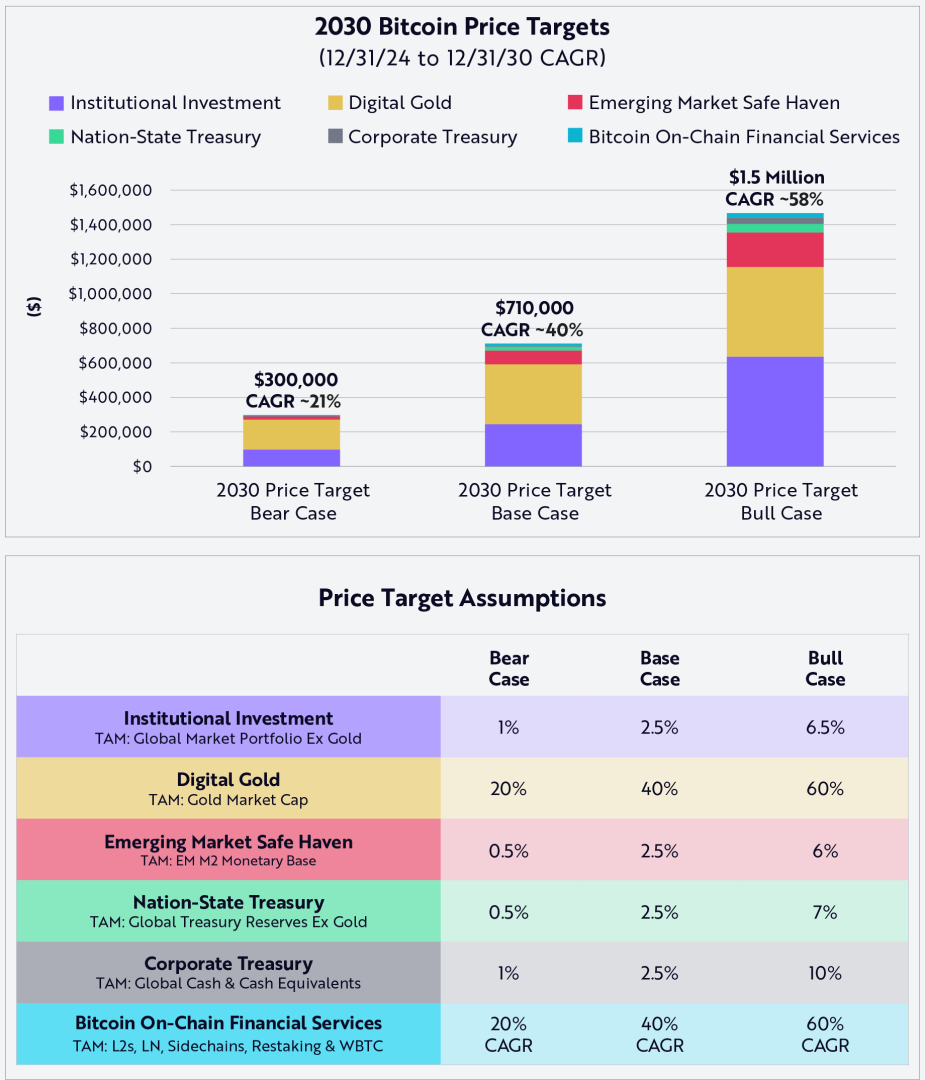
Market Trends and the Macro View: Is Bitcoin Becoming Digital Gold?
Historically, Bitcoin’s price movements have been reactive to internal crypto-specific events—halving cycles, technological improvements, and network adoption rates. But entering 2026, a broader perspective is emerging. Investors are increasingly treating Bitcoin as a hedge against inflation and economic uncertainty much like gold. This trend is backed by rising institutional demand and the evolving acceptance of blockchain technology beyond mere speculative trading.
This change is significant because it signals Bitcoin’s maturation as a digital currency and an investable asset class. If Bitcoin firmly establishes itself as a macro asset, then the financial outlook for 2026 would include less volatility tied solely to crypto market emotions, and more to global financial developments. In practical terms, this means Bitcoin’s future price could be influenced by central bank policies, international trade dynamics, and macroeconomic stability or upheaval.
Investment Strategies for 2026: Navigating Uncertainty with Confidence
The mixed signals of 2025’s Bitcoin market have left many investors wondering how to approach the new year effectively. The 19% decline over parts of the year, combined with volatile rebounds, underscores the market’s complexity. But such fluctuations can represent opportunities for those equipped with solid crypto analysis and a long-term vision.
Investors aiming to benefit from 2026’s trends should be keen to monitor regulatory developments, especially regarding the approval and adoption of Bitcoin-based financial products like ETFs. Access to such instruments will likely catalyze institutional inflows and broaden retail participation, further strengthening market trends. Commitment to understanding blockchain advancements, alongside traditional market indicators, will provide a crucial edge.
Furthermore, 2026’s outlook demands flexibility. Recognizing Bitcoin’s potential dual role—as both a speculative digital currency and a stable macro asset—will help investors diversify strategies and better balance risk and reward. The key is not just in expecting price surges but in appreciating Bitcoin’s growing role in global finance and how it reflects wider economic realities.
Crypto Analysis Highlights: Key Factors Shaping Bitcoin’s 2026 Trajectory
Several key themes will likely dominate Bitcoin’s performance next year. First, the liquidity influx brought by institutional investors, facilitated by new investment vehicles, will reshape market volatility and trading volumes. Second, macroeconomic conditions including central bank interest rate policies and geopolitical tensions will have an outsized influence on Bitcoin’s price movements.
Third, regulatory clarity remains a crucial variable. Progress in approving Bitcoin spot ETFs and establishing clearer policies could reduce uncertainty and boost market confidence. Fourth, the technological evolution of the blockchain ecosystem, including scalability and security enhancements, will support Bitcoin’s sustained adoption and utility.