

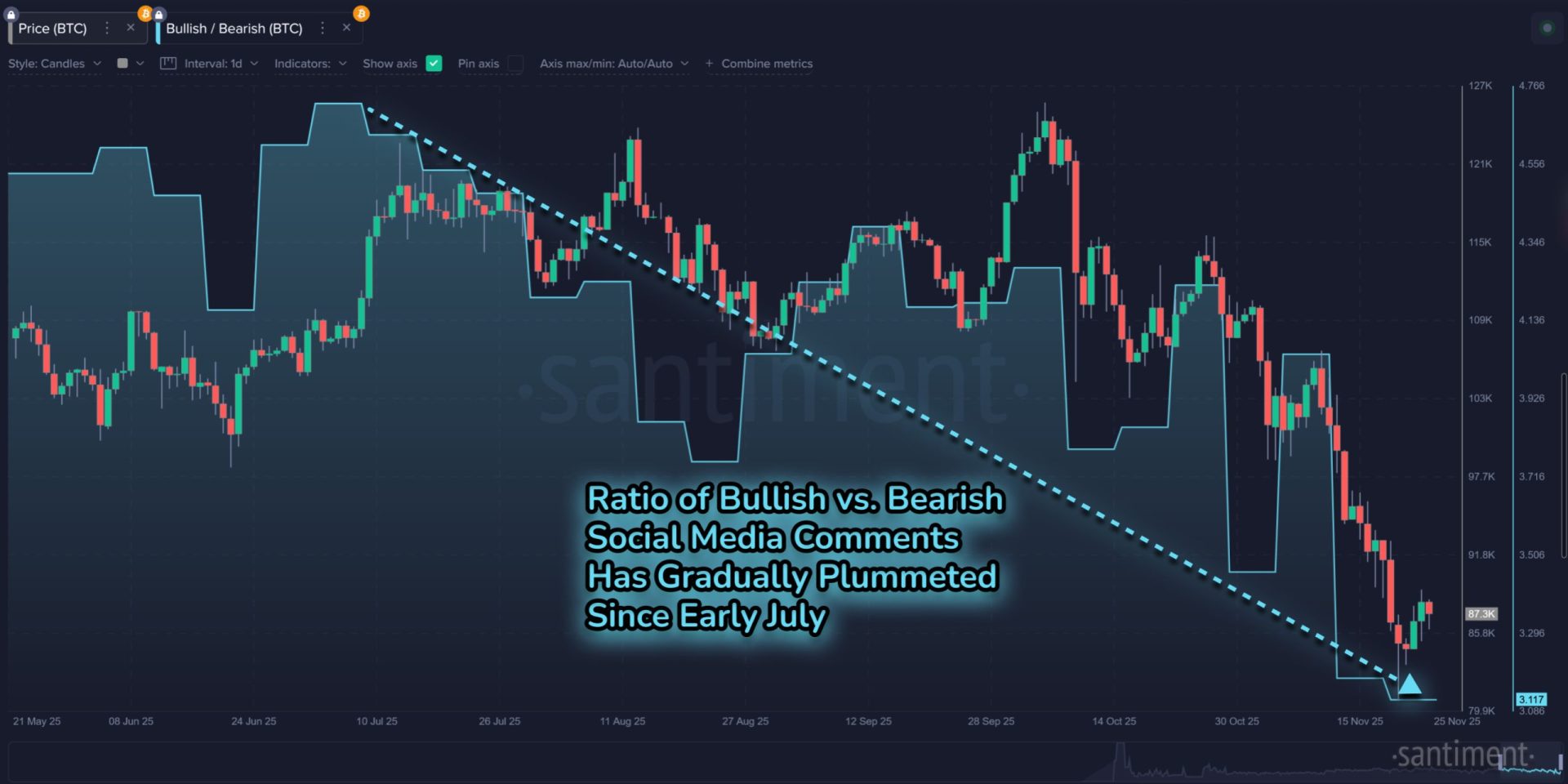
The cryptocurrency world was shaken on January 31, 2026, as Bitcoin fell below the psychologically significant mark of $80,000. This drop wasn’t just a fleeting dip; Bitcoin’s value slid to around $79,035, a substantial decline of over 6% within 24 hours. This sharp price drop triggered widespread liquidations across the crypto market, signaling a deeper trend that has many investors wondering if a new bear market is indeed emerging.
Across the board, cryptocurrencies faced significant selling pressure. Ethereum, Binance Coin, Solana, Ripple, and Cardano all registered double-digit percentage losses, with declines ranging from nearly 7% to over 11%. Over the past week, Bitcoin itself shed more than 11%, with Ethereum and Cardano experiencing even more drastic dips. Such a broad and persistent selloff reflects a growing unease among market participants, particularly institutional investors who have been withdrawing funds rapidly from Bitcoin ETFs in the U.S. This exodus of capital adds weight to concerns about the stability and momentum of the crypto market heading forward.
Interestingly, this crypto downturn aligns closely with a major shakeup in traditional markets: precious metals experienced record crashes just a day before. Gold plunged roughly 9.6%, silver fell by over 26%, and other key metals like copper and palladium suffered dramatic price drops within hours. This synchronized selloff across diverse asset classes paints a picture of a market under pressure, where risk aversion is driving investors away from previously perceived safe havens. The ripple effect on cryptocurrencies like Bitcoin further underscores their growing role as integral components of global financial markets, not isolated digital assets.
With Bitcoin’s highest recorded price exceeding $126,000 just a few months prior in October 2025, the current more than 37% decline officially places Bitcoin in bear market territory by conventional financial definitions. As traders and enthusiasts watch closely, critical price supports now come into focus: around $77,164 and subsequently near $73,000. How Bitcoin reacts to these levels will be a key sign of whether the current price drop marks a sustained market downturn or a temporary correction within a longer upward trend.
This evolving scenario challenges aspiring investors and crypto enthusiasts alike. While volatility and setbacks are inherent to the world of cryptocurrency, moments like these offer unique learning opportunities about market dynamics and investment psychology. Whether Bitcoin will quickly rebound or continue its descent, understanding these trends helps build a stronger foundation for anyone ready to engage with this powerful, transformative financial technology.
Why Bitcoin’s Fall Below $80,000 Signals Emerging Bear Market Trends
This recent price drop is more than just a number—it points to shifting market sentiment. Bitcoin’s fall beneath $80,000 marks the first time since April 2025 that this crucial support level has been breached, suggesting a potential longer-term downward trend. Such declines tend to generate fear and uncertainty that ripple across the broader cryptocurrency landscape, often precipitating a wave of liquidations that can exacerbate the selloff.
Institutional investors play a pivotal role in this changing landscape. Data from January 29, 2026, highlighted mass withdrawals exceeding $817 million from multiple U.S.-based Bitcoin ETFs, marking the worst day of crypto fund outflows so far this year. This flight of capital reflects growing skepticism among larger financial actors who might have previously supported Bitcoin’s rise, thereby intensifying the pressure on prices.
Moreover, these market movements do not exist in isolation but appear linked to broader themes in global finance. The flash crash in precious metals markets, which saw dramatic losses among gold, silver, copper, and palladium at the end of January, reveals a collective retraction of investor appetite for risk. Such cross-market connections indicate that Bitcoin is increasingly entwined with the performance of conventional assets, reinforcing the idea that cryptocurrency is now part of a wide-ranging investment ecosystem where global events resonate strongly.
Understanding the Wider Market Context and Investor Behavior
Investors who track cryptocurrency trends must consider the effects that macroeconomic shifts and regulatory changes impose on their portfolios. The recent wave of withdrawals by institutional actors reflects not merely panic but calculated repositioning as traders navigate uncertainties. This prudence signals a maturation of the cryptocurrency markets, where capital is actively managed in response to risk assessments rather than being driven purely by speculative frenzy.
Still, for those new to cryptocurrencies, it’s crucial to recognize that market downturns—while challenging—are part of the natural cycles of any asset class. The presence of solid support levels, historical patterns, and technical analysis tools can guide investment decisions in turbulent times. Watching Bitcoin approach $77,164 and potentially $73,000 will provide vital clues about the market’s next moves, offering opportunities to learn how sentiment shifts translate into price action.
Impact of the Market Trends on Investment Strategies and Cryptocurrency Outlook
For investors passionate about Bitcoin and crypto assets, current market trends demand both caution and optimism. The prolonged drawdown since Bitcoin’s all-time high underscores the importance of resilience and strategic thinking in investment approaches. Those who understand how to leverage market downturns can uncover bargain opportunities that may not be obvious during bullish phases.
Looking ahead, staying informed about evolving market data, ETF flows, and regulatory stances will be critical. Market participants can gain insight into broader adoption trends and the growing role of cryptocurrencies in diversified portfolios worldwide. Despite the recent price drop, Bitcoin’s status as a pioneering digital asset with unique blockchain technology continues to promise transformative value.
Readers eager to deepen their understanding of Bitcoin’s long-term prospects and practical steps to entering the crypto space may benefit from resources such as a comprehensive beginner’s guide to buying Bitcoin or analyses on Bitcoin forecasts for 2026. These tools equip newcomers to navigate volatility with greater confidence and recognize that downturns are part of the journey toward crypto mastery.