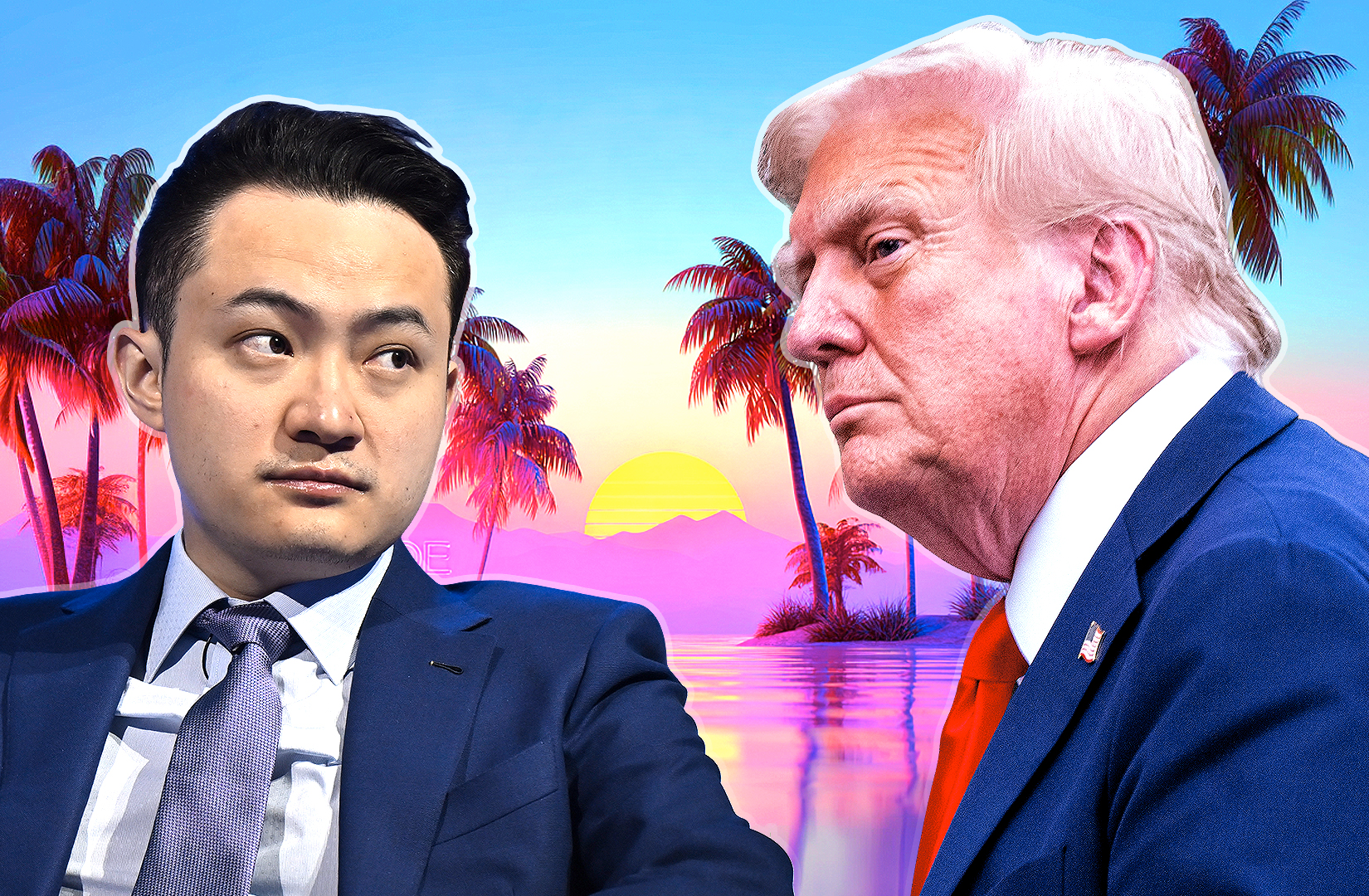
In a significant development in the cryptocurrency world, Justin Sun, the founder of the Tron blockchain, has reached a $10 million settlement with the U.S. Securities and Exchange Commission (SEC). This agreement resolves the high-profile legal case that had accused Sun and his affiliated companies of fraudulent trading activities amounting to $31 million. The settlement not only marks the end of a contentious chapter but also highlights the evolving landscape of cryptocurrency regulation as authorities seek to balance enforcement with industry growth.
The SEC’s pursuit of charges against Sun began in 2023, when the agency alleged violations involving wash trading and misrepresentation linked to Sun’s enterprises like the Tron Foundation and BitTorrent. However, following negotiations and a shifting regulatory environment, the SEC has agreed to dismiss all charges in exchange for the financial penalty. For Justin Sun, this settlement allows him to avoid a lengthy trial while focusing on future innovation and compliance efforts within the blockchain space. The decision awaits final approval from the court, underscoring that while the dispute has been resolved financially, questions about market manipulation and corporate governance in crypto remain central in 2026.
How Justin Sun’s $10 Million Settlement Reshapes SEC Charges in Cryptocurrency
This settlement signals a pivotal moment for both the cryptocurrency sector and regulatory bodies. Justin Sun, often known as one of the most controversial figures in crypto, now closes the book on a case that could have reshaped how the SEC handles similar allegations in the blockchain industry. More importantly, the agreement establishes a precedent for resolving complex financial penalties related to regulatory compliance without prolonged litigation.
At the heart of the dispute were accusations of manipulative trading behaviors and inadequate disclosure, which the SEC sought to penalize to protect investors and markets. Yet, the resolution demonstrates increased willingness from authorities to engage with crypto leaders collaboratively, maneuvering toward clearer frameworks for digital assets. Sun’s public statements emphasize a commitment to fostering innovation and partnership with the SEC, reflecting broader industry trends favoring cooperative regulation over adversarial battles. This dynamic is critical for newcomers who want to understand how blockchain fundamentals and compliance intersect in today’s evolving legal context.

What the Settlement Means for Regulatory Compliance and Blockchain Innovation
While the $10 million payment is a substantial financial penalty, it paves the way for enhanced dialogue between crypto innovators and regulators. For Justin Sun, the settlement offers the chance to redirect focus on expanding the Tron ecosystem and its blockchain applications. This move aligns with growing global efforts to integrate digital currencies into mainstream finance responsibly.
The case also illustrates the SEC’s nuanced approach by choosing settlement over protracted court battles, signifying a matured understanding of the crypto ecosystem’s complexities. This development encourages projects and investors to prioritize transparency and legal adherence, shaping a more secure environment for cryptocurrency adoption. Industry stakeholders can gain insights from this event by exploring discussions on how decentralized platforms balance innovation with legal boundaries, a vital topic covered deeply on platforms such as SEC and blockchain regulation insights.
Justin Sun’s Journey and the Broader Impact on Cryptocurrency Regulation
Justin Sun’s story is emblematic of the rapidly evolving crypto industry. From building a vibrant blockchain foundation with Tron (TRX) to weathering one of the SEC’s most publicized enforcement actions, Sun’s experience shines a light on the challenges and opportunities that cryptocurrency faces in aligning with traditional financial laws.
Although the legal scrutiny was intense, the resolution avoids a label of guilt, allowing Sun to continue advocating for blockchain innovation while working within emerging regulatory frameworks. His interactions with the SEC now serve as a case study in compliance that newer entrepreneurs and investors can examine to better navigate the regulatory landscape. This evolving relationship embodies the tension between pioneering technology and established legal standards that continues to define the cryptocurrency sector in 2026.