
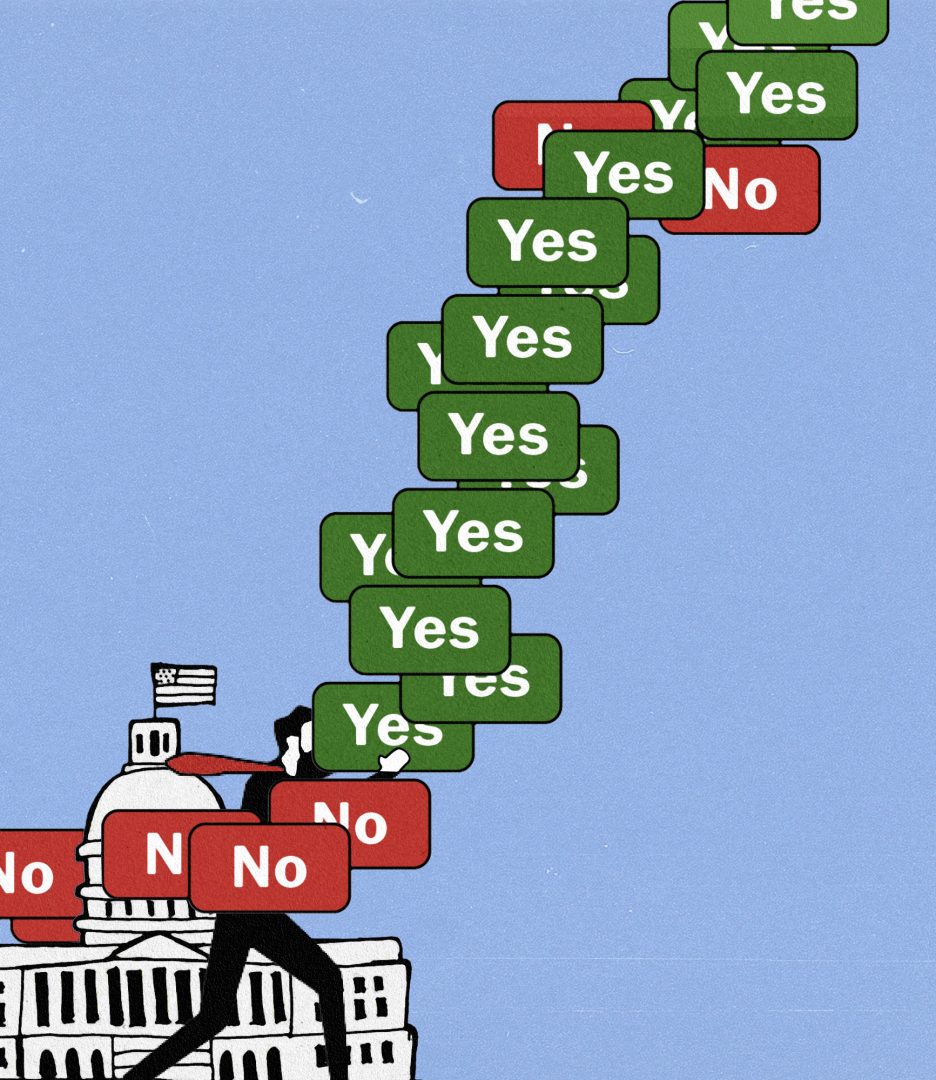
In the dynamic landscape of 2026, prediction markets have evolved beyond forecasting sports or elections, expanding into the volatile realm of geopolitical conflicts and wars. Platforms like Polymarket and Kalshi are now at the forefront of this trend, enabling traders to bet on sensitive events such as military strikes and political upheavals. This surge reflects a broader leap from traditional gambling towards a sophisticated form of financial trading embedded with inherent risks and ethical dilemmas.
The growing popularity of these markets is underscored by staggering figures: near 10 billion dollars in trading volume in November 2025 alone, with contracts focusing on conflicts constituting between 5 and 8 percent of this total. A contract on Polymarket relating to potential U.S. strikes on Iran amassed over 155 million dollars, showcasing how sharply these platforms influence public and investor perceptions of international affairs. Yet, beneath this financial excitement lies a complex web of controversy involving insider trading, regulatory challenges, and moral questions about monetizing calamities.
Prediction Markets and the Rising Stakes of Betting on Wars
The evolution of prediction markets into arenas for betting on war illustrates a burgeoning intersection between gambling and geopolitics. Originally niche platforms, sites like Polymarket propelled into mainstream attention when they began offering contracts on military interventions and conflicts, making these events tradable assets. Yet this expansion into the realm of national security has sparked fierce debate over the integrity and implications of such markets.
For example, the rapid adjustment of probabilities on Polymarket’s contract about U.S. military action against Iran—from an initial estimate of 35% to over 67% within a few months—reflects not only traders’ reactions to unfolding events but also suggests heightened speculation around sensitive issues. Such scenarios raise alarm bells about the ethics of profiting from conflicts that affect millions.

Insider Risks and the Shadow of Manipulation
The dark side of these enthusiastic betting environments emerges through instances of insider knowledge exploitation. A striking example occurred just hours before a U.S. special forces raid leading to the capture of Venezuelan President Nicolás Maduro. An anonymous trader reportedly pocketed 436,000 dollars by betting on this operation’s success via Polymarket. This episode casts a long shadow over the credibility of such platforms, indicating potential permissiveness towards, or even encouragement of, illicit speculation.
The risk extends beyond individual gain—if sensitive military information is leaked or traded upon, adversaries could leverage such insights, exacerbating geopolitical instability. This vulnerability has prompted U.S. senators to demand regulatory clarity and action, concerned that markets may unintentionally assist rival powers in exploiting classified data.
Kalshi’s Regulated Approach: Ethics in the Eye of Financial Innovation
Contrasting with the murky practices linked to some traders on Polymarket, Kalshi positions itself as a more regulated and ethically conscious player. As a federally regulated exchange, Kalshi provides institutional-grade asset protection, segregation of funds, and operates under strict compliance with the Commodity Futures Trading Commission (CFTC). This structure aims to prevent conflicts of interest and restricts government officials or insiders from participating in markets that overlap with their duties.
According to Armand Drouet from Kalshi’s Growth team, these safeguards underscore a moral commitment by the company’s founders that “death should never be commodified”. The platform strictly prohibits contracts related to terrorism, assassination, or war — categories banned by U.S. law for contravening public interest. This regulatory rigor reflects an effort to balance financial innovation with social responsibility.
The Regulatory Crossroads: CFTC’s Role and Political Dynamics
While the CFTC legally holds authority over prediction markets and has the power to ban contracts it deems harmful, recent years have seen a distinctive shift. Proposed restrictions in 2024 aimed at curtailing betting on volatile events were withdrawn under the Trump administration’s deregulatory agenda. Interestingly, Donald Trump Jr.’s role as a board member of Kalshi and investor ties to Polymarket underscore the intertwining of politics and market regulation.
The current CFTC leadership embraces innovation but emphasizes the necessity for these markets to operate with integrity similar to traditional exchanges. Senator Catherine Cortez Masto and eleven colleagues have pressed for clearer governance to combat manipulation and fraud, warning about the national security implications if insider trading infiltrates these platforms.
For anyone keen to navigate these evolving terrains, understanding decentralized prediction markets may offer insight into the future of transparent and democratized forecasting. Meanwhile, staying informed on broader crypto trends such as the bitcoin forecast for 2026 can help align speculation with wider market dynamics.