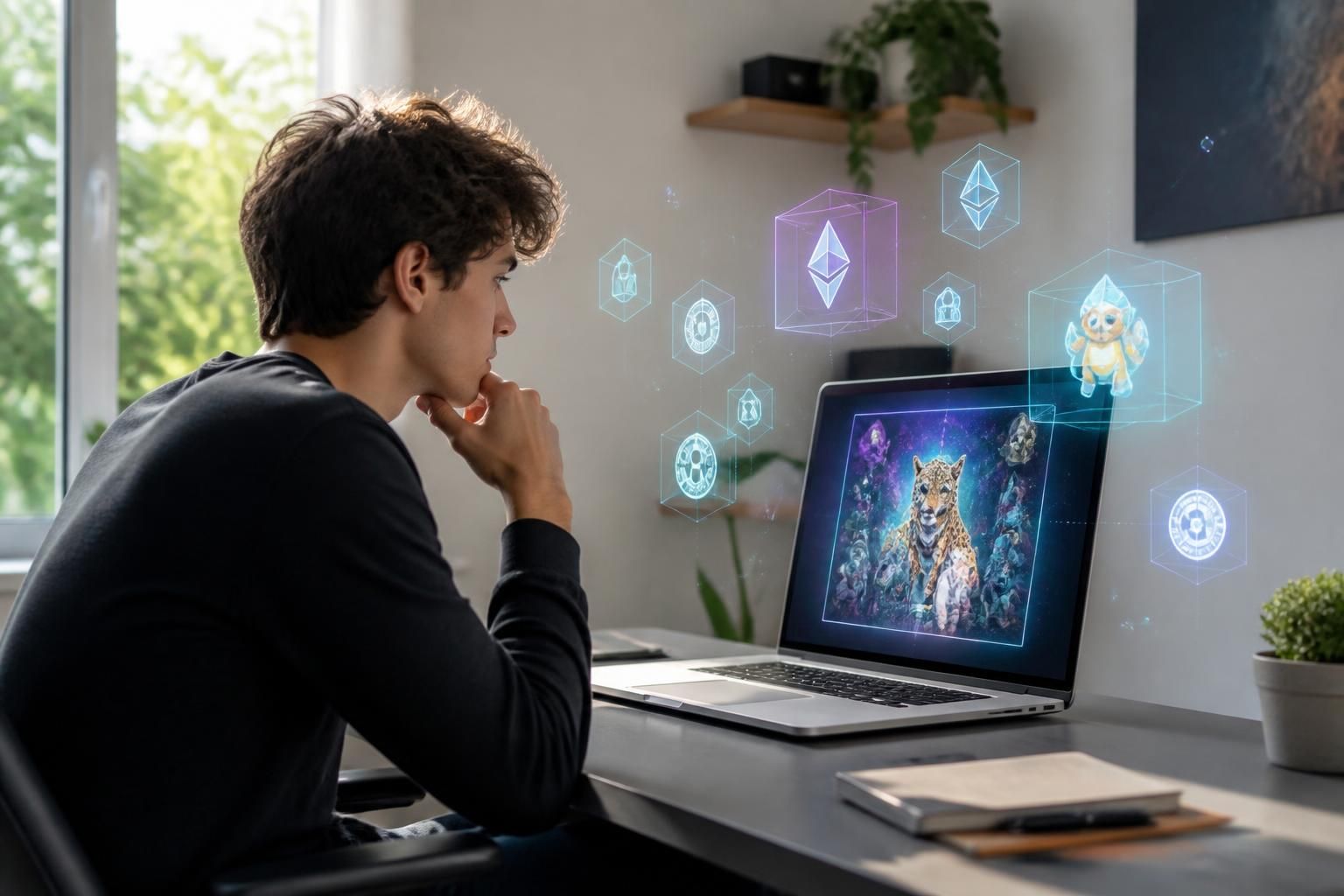
In recent years, the digital landscape has been transformed by the appearance of NFTs, or Non-Fungible Tokens. These unique digital assets have sparked curiosity and excitement worldwide, especially among those new to cryptocurrency and blockchain technology. If you’ve been wondering what NFTs actually are, why they have captured the attention of artists, gamers, and collectors, and whether diving into this space makes sense for beginners, you’re in the right place. This guide unpacks the fundamentals of NFTs in an accessible way, illuminating their potential without overwhelming jargon. Whether it’s through platforms like OpenSea or projects like NBA Top Shot, NFTs open doors to novel experiences and new forms of digital ownership that were unimaginable just a few years ago. Exploring NFTs now means stepping into a rapidly evolving digital frontier where creativity meets technology.
In brief, NFTs offer: a unique digital proof of ownership that can’t be replicated, new ways for creatives to earn revenue directly and continuously through royalties, and opportunities for collectors to engage with digital art, collectibles, gaming assets, and virtual worlds. While NFT markets can be volatile and the technology is still maturing, platforms such as Rarible, Foundation, and SuperRare provide welcoming entry points for beginners. With growing mainstream adoption and initiatives to reduce environmental impact, NFTs are carving out a significant place in the digital asset sphere.
Understanding NFTs: What Beginners Need to Know About Digital Ownership
NFTs stand for Non-Fungible Tokens, a term that conveys two key ideas: uniqueness and digital proof of ownership. Unlike cryptocurrencies such as Bitcoin or Ethereum, which are interchangeable (fungible), NFTs represent something one-of-a-kind — akin to owning an original painting rather than a print. This uniqueness is secured by blockchain technology, a decentralized digital ledger that tracks the creation and transfer of NFTs, guaranteeing authenticity and ownership.
For beginners, it helps to think of NFTs as digital certificates that prove you own a specific item online — whether that’s a piece of digital art on SuperRare, a collectible from CryptoPunks, or a plot of virtual land in Decentraland. This ownership is recorded indefinitely on the blockchain, making your claim transparent and secure.
How NFTs Operate: From Minting to Marketplace
The journey of an NFT typically begins with “minting”, where a creator uploads a digital file — such as an artwork, music, or video — onto a blockchain like Ethereum. This process turns the file into a unique token with metadata that cannot be duplicated. Once minted, NFTs are traded on popular marketplaces including OpenSea, Rarible, and Foundation, where buyers can browse and buy assets using cryptocurrency, often Ethereum (ETH).
The blockchain verifies each transaction, ensuring proof of ownership is always clear and unaltered. Many NFTs even include programmable royalties, allowing artists to receive a portion of resale profits automatically — a revolutionary shift empowering creators in ways traditional art markets never allowed.
Why NFTs Matter: Beyond Digital Art
NFTs are often associated with digital art, but their applications extend far wider. In the gaming world, NFTs represent items like skins and avatars that players truly own and can trade or sell, adding tangible value to virtual experiences. The virtual real estate trend, popularized by platforms such as Decentraland, lets users purchase land and build digital environments.
Moreover, collectibles like NBA Top Shot have turned highlights and memorabilia into NFTs, providing official proof of ownership to fans globally. Each token’s scarcity and verified ownership create an appeal that simple screenshots or copies can’t replicate.
Taking Your First Steps: What Beginners Should Know Before Buying NFTs
Getting started with NFTs involves a few foundational steps to ensure a secure and informed experience. First, setting up a reliable cryptocurrency wallet is essential. Wallets like MetaMask allow you to store your NFTs safely and interact with NFT marketplaces. Choosing the right wallet is critical, which is why many beginners turn to guides such as this trusted resource for crypto wallets.
Next, you’ll need to purchase cryptocurrency, usually Ether, from exchanges before shopping for NFTs. As you explore marketplaces like OpenSea or Rarible, it’s vital to research the artists, collections, and the rights or perks attached to each token. Understanding the market dynamics and recognizing potential risks, such as scams or volatile prices, can protect your investment and enjoyment.
Are NFTs a Safe Investment?
While NFTs provide exciting opportunities, the market is still young and unpredictable. Values can soar or dive rapidly, driven by trends and demand. Additionally, as NFTs link to digital files often stored outside the blockchain, the aesthetic content could become inaccessible if hosting services shut down, even though ownership on the blockchain remains intact.
Environmental concerns have been addressed by ongoing innovations like the shift of Ethereum toward proof-of-stake consensus, significantly reducing energy consumption and making NFTs more sustainable. Platforms such as Foundation and KnownOrigin also emphasize eco-friendly practices.