
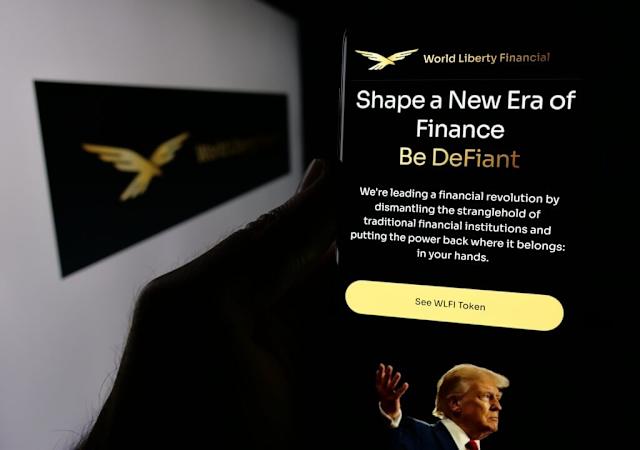
In an era where cryptocurrency markets constantly evolve, the Trump Family is making a strategic shift from engaging heavily in altcoins toward innovating within real estate tokenization. Their cryptocurrency project, World Liberty Financial (WLFI), once centered on altcoin investments, is now turning its attention to transforming physical property investments by leveraging the cutting-edge advantages of blockchain and digital assets. This pivot aligns with a broader movement within the financial world, merging investment opportunities with the efficiency and transparency of tokenized ownership. As altcoins struggle to maintain their momentum in 2026, the Trump Family aims to capture new value by digitizing real estate, opening fresh avenues for investors via property tokens and asset-backed digital securities.
In brief:
- The Trump Family’s crypto venture WLFI is pioneering the tokenization of real estate projects, notably a luxury resort under development in the Maldives.
- Altcoins face significant value depreciation, driving a strategic pivot toward tangible, blockchain-backed property assets.
- Tokenization offers investors a modern form of lending with fixed returns and potential profit shares, regulated to ensure investor protection.
- Collaborations with platforms like Securitize provide regulatory frameworks, essential for credibility and widespread adoption of real estate tokenization.
- The move reflects a growing trend in financial innovation to merge physical assets with digital investment tools enabled by blockchain technology.
Trump Family’s Bold Move: From Altcoins to Real Estate Tokenization
The crypto landscape is no stranger to rapid change, and the Trump Family exemplifies this adaptability. Previously involved in a diverse range of digital assets including memecoins, stablecoins, and Bitcoin mining, they are now concentrating efforts on tokenizing real estate through their project World Liberty Financial (WLFI). This initiative focuses on converting the revenue from their upcoming luxury resort in the Maldives into tradable digital tokens on the blockchain. Such a move isn’t merely a reaction to the altcoins market downturn, but a calculated step toward digitally transforming real estate investment.
The resort project, Trump International Hotel & Resort Maldives, promises an exclusive experience with over a hundred luxurious overwater villas. Despite the completion date projected in 2030, tokenization efforts are already underway, providing investors with an opportunity to effectively ‘lend’ money to the project in exchange for fixed interest returns and potential profit shares if the project succeeds or is sold. This approach combines the familiar concept of bonds with innovation in digital investment vehicles, opening the door for accredited investors to participate in real estate through blockchain-enabled markets.
Tokenization as a New Frontier in Real Estate Investment
Tokenizing real estate grossly changes how investors engage with physical assets. Traditionally, real estate investment requires substantial capital and involves complex ownership logistics. By breaking down ownership into property tokens, investors gain access to fractional shares of high-value assets, increasing liquidity and lowering entry barriers. Each token represents a legally binding financial interest, backed by revenue streams and potentially capital appreciation.
World Liberty Financial’s partnership with Securitize—a platform trusted by financial heavyweights like BlackRock—ensures strong compliance with regulatory standards. This foundation not only builds investor confidence but also supports WLFI’s ambition to tokenize a broader portfolio including golf courses and luxury hotels worldwide. This comprehensive tokenization strategy underlines how the Trump Family intends to be at the forefront of merging traditional real estate markets with innovative blockchain solutions.
Why Real Estate Tokenization Matters in 2026’s Financial Innovation Scene
As altcoins lose their sheen amid market fluctuations, real-world assets (RWAs) have begun to capture investor interest for their tangible value. The tokenization of real estate is emerging as a promising sector, though still in its early stages globally. Despite a monetary value significantly lower than stock tokenization, real estate tokenization addresses longstanding issues of liquidity and accessibility.
With heightened scrutiny and regulatory efforts worldwide, projects like WLFI and their collaboration with Securitize illustrate how blending blockchain with traditional finance can create trustworthy digital assets. This financial innovation allows investors to enjoy modern benefits such as transparency, divisibility, and immediate settlement, which were often elusive in conventional real estate investments.
For anyone eager to understand how tokenization can revolutionize their investment portfolio, platforms and guides exploring these novel forms of digital assets are invaluable. The rising prominence of real estate tokens showcases the strong potential digital and physical assets hold when integrated via blockchain technology.
For those ready to dive deeper into the transformative world of asset tokenization, in-depth insights are available, including coverage on platforms like Crypto Debut which explore the intersection of blockchain and asset digitization, helping investors navigate this groundbreaking landscape.