
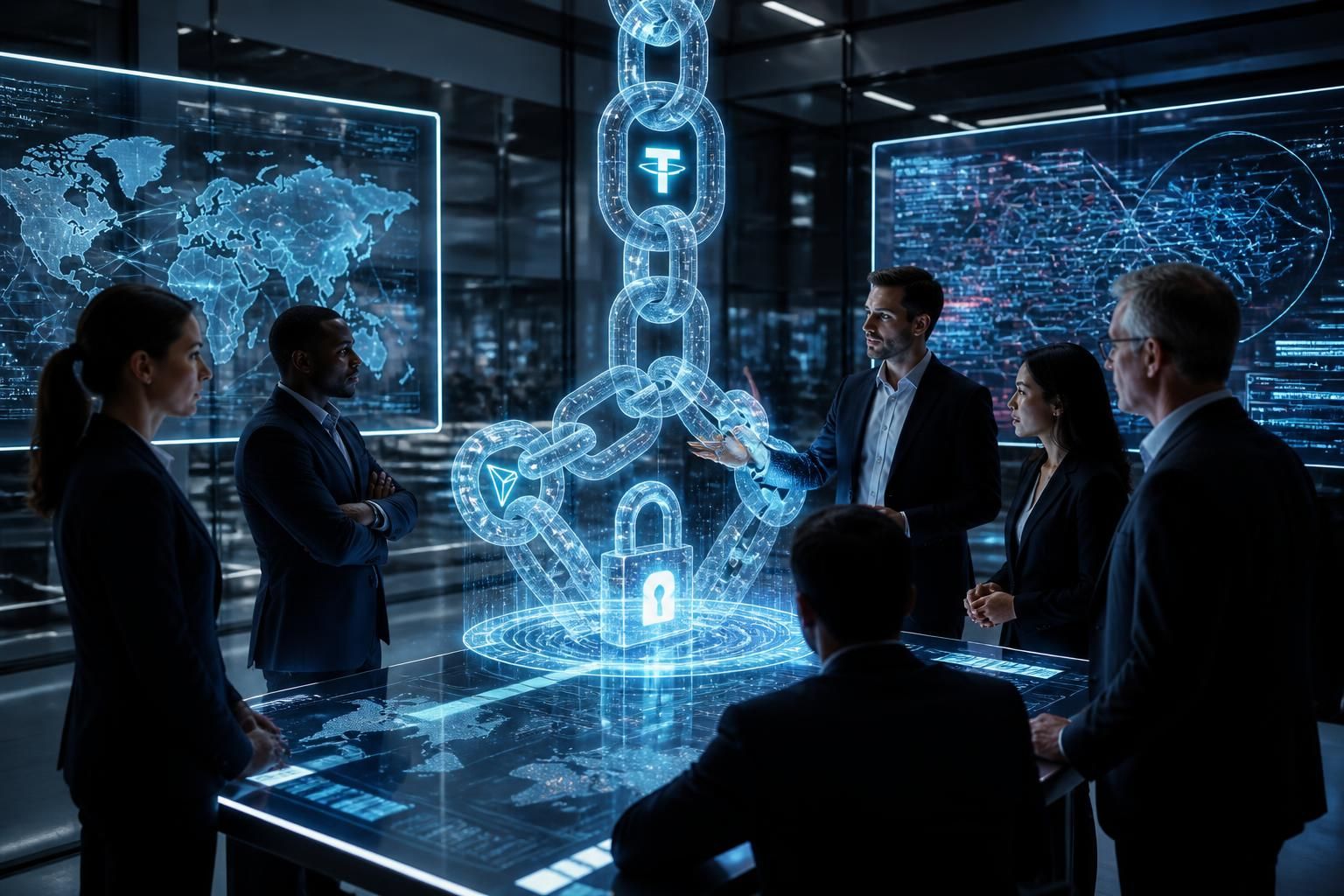
Since its launch in September 2024, the alliance known as T3, comprising Tether, Tron, and TRM Financial Crime, has emerged as a formidable force in the fight against illicit activities within the cryptocurrency space. By leveraging the unique capabilities of Tether’s and Tron’s blockchain protocols that allow token freezing, this coalition has successfully intercepted and frozen an astounding $450 million in illicit crypto assets in under two years. These actions cut across numerous criminal domains, including drug trafficking, platform hacks, terrorism funding, and violent crimes, highlighting a new era of financial accountability and security in digital assets.
The scope of T3’s impact extends beyond mere numbers. In 2026 alone, the coalition’s efforts resulted in a nearly 44% increase in confiscated illicit funds compared to the previous year, signaling an evolving and intensifying battle against money laundering in the crypto world. Their work received high praise from significant bodies like the Financial Action Task Force, underscoring the growing recognition of blockchain-based measures as vital tools in maintaining financial integrity.
How T3 Combats Financial Crime by Freezing Illicit Cryptocurrency Funds
At the heart of T3’s success lies the innovative integration between Tether, Tron, and TRM Financial Crime, empowering these networks to identify, trace, and immobilize tokens associated with fraudulent activities. Unlike traditional finance, where freezing assets can be bureaucratic and slow, the blockchain’s transparency and programmability allow near-instant intervention. This proactive stance has been proven effective across various jurisdictions including the United States, Spain, Germany, the Netherlands, and Bulgaria, where many frozen funds have been traced.
One striking case involved intercepting funds linked to state-sponsored cybercrime from North Korea, demonstrating the coalition’s ability to navigate complex international threats. Moreover, T3’s involvement in uncovering illicit activities like hacks of exchange platforms and funding terrorism has reinforced the importance of blockchain security measures beyond safeguarding individual investors but protecting entire financial ecosystems.
The Debate on Token Freezing: Balancing Security and Decentralization in Cryptocurrency
Tether’s CEO Paolo Ardoino emphasizes that as digital assets become increasingly mainstream, ensuring their secure and trustworthy use is not just desirable but essential. The ability to freeze tokens after detecting suspicious transfers serves as a vital line of defense preventing stolen or illicit funds from reentering the economy. However, this feature is not free from controversy.
Critics argue that such control mechanisms introduce centralized authority into an ecosystem that originally promised decentralization and user sovereignty. The debate flared up recently following the hack of Kelp protocol, where over 30,000 ETH were frozen by protocol leaders, raising concerns about power concentration and censorship risks within such projects.
This discussion reflects an enduring tension within crypto communities: while purists advocate for absolute decentralization as seen in networks like Bitcoin, other proponents believe meaningful mass adoption depends on implementing pragmatic security controls. Understanding this dynamic is crucial to appreciating why T3’s model, combining blockchain innovation with cooperative regulatory measures, could shape future standards for combating financial crime.
Strengthening Blockchain Security to Thwart Money Laundering and Enhance Trust
The strides made by T3 highlight how targeted blockchain security protocols can serve as powerful weapons against financial crime. Freezing illicit funds on-chain complicates money laundering schemes and forces criminals to reconsider using cryptocurrencies for their transactions, supporting efforts by authorities worldwide to regulate this fast-evolving sphere.
For individual crypto users and investors just starting, recognizing the mechanisms behind fund freezing is vital. Collaborations like Tether, Tron, and TRM Financial Crime’s alliance present new opportunities and challenges. Those eager to learn more about protecting digital assets can refer to guides such as legal tips for crypto transactions or explore case studies on recent crypto fraud disruptions fighting money laundering that demonstrate the ecosystem’s increasing maturity.