
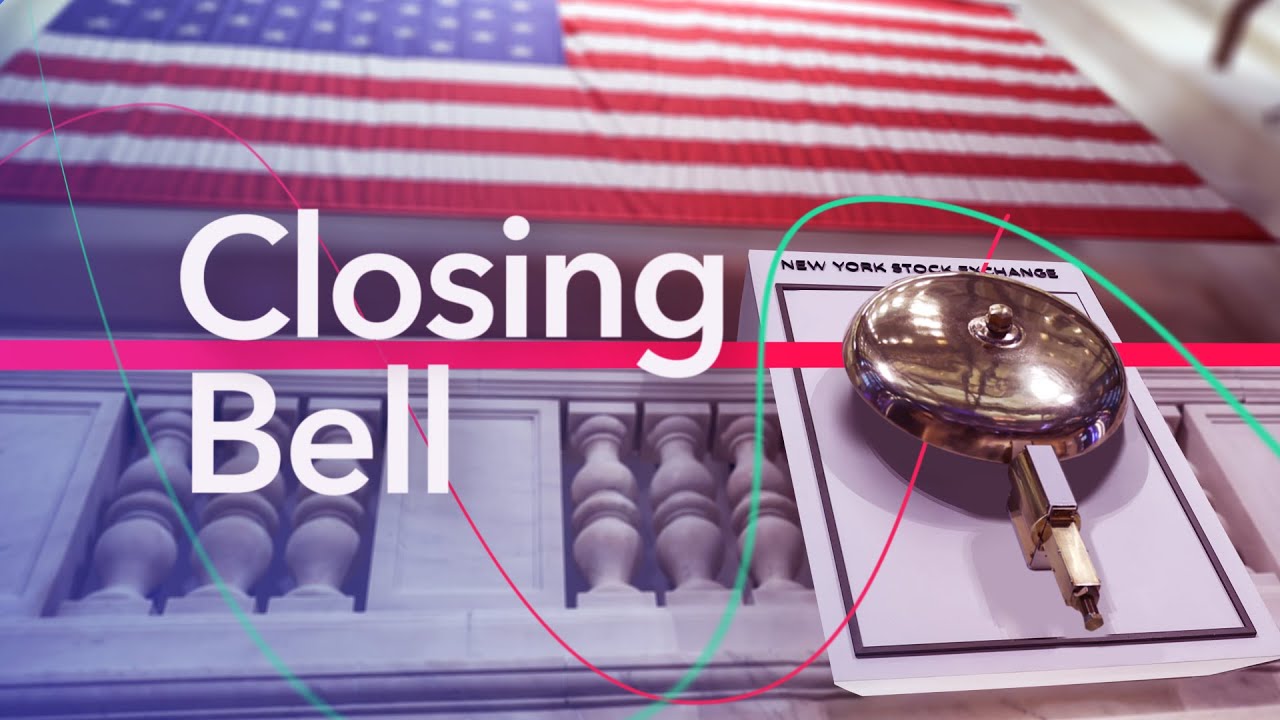
Stock markets have shown a notable dip as investors exercise caution in anticipation of a critical decision by the Federal Reserve. With the Federal Open Market Committee’s meeting underway, the financial markets are facing increased volatility driven by uncertainty around potential shifts in interest rates. This atmosphere reflects broader economic concerns and a cautious investor sentiment as market participants brace for the Fed’s upcoming policy announcement.
Key highlights: The stock market has experienced a noticeable dip amid growing caution ahead of the Federal Reserve’s crucial decision on interest rates. Volatility in financial markets is increasing as investor sentiment remains subdued. The economic outlook is uncertain, with debates on whether the Fed will implement a rate cut to support a cooling labor market without stoking inflation. These factors collectively contribute to a fragile market mood that underscores the broader risks involved in today’s stock trading environment.
Market Dip Signals Heightened Caution Before Fed Decision
Recent trading sessions have seen the stock market retreat as investors adopt a cautious stance ahead of the Federal Reserve’s policy meeting. The Dow Jones Industrial Average slipped by 0.45%, while the S&P 500 and Nasdaq also saw declines, underscoring a fragile market climate. This dip reflects uncertainty surrounding whether the Federal Reserve will reduce interest rates by a quarter, a move widely anticipated to provide support amid signs of a cooling job market.
Investor sentiment is being tempered by mixed economic signals: while employment figures suggest some weakening with a rise in unemployment rates, inflation remains stubbornly above target. Such an environment fosters volatility as traders try to balance expectations of stimulus against risks of prolonged inflationary pressures. This careful weighing of risks exemplifies how the stock market is reacting to ongoing economic ambiguity.
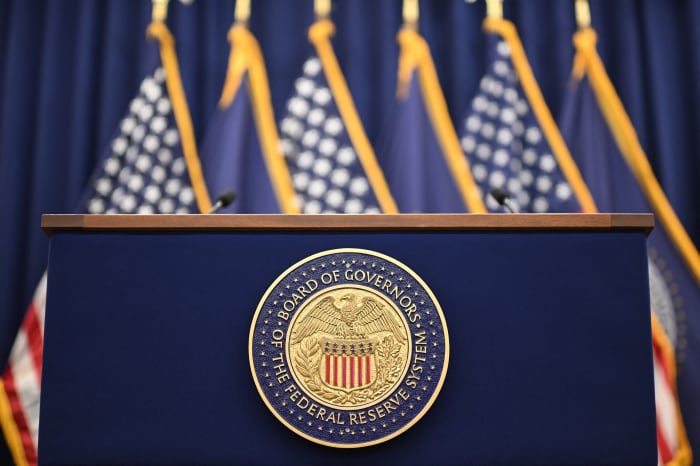
What Financial Markets Expect from the Federal Reserve
The Federal Reserve’s decision on interest rates is pivotal for the economic outlook and investor confidence. Market consensus leans towards a 0.25% reduction in interest rates, aiming to alleviate pressure on a labor market showing signs of strain. However, this anticipated cut faces internal disagreements within the Federal Open Market Committee, reflecting differing views on the appropriate path to sustaining economic growth without exacerbating inflation risks.
Such division complicates market reactions; investors are keenly watching for Fed Chair Jerome Powell’s tone during the policy announcement and press conference. His framing of future interest rate policies will be crucial in shaping investor expectations and could trigger significant market moves. The interplay between cautious optimism and ongoing economic data releases continues to keep the stock market on edge as the Fed’s verdict approaches.
Implications for Investor Strategies Amid Market Volatility
As volatility rises, investors are urged to understand the potential risks and opportunities presented by the Federal Reserve’s rate decision. High-interest rates generally encourage capital to flow towards safer assets like bonds, causing reduced enthusiasm for riskier investments such as stocks and cryptocurrencies. Conversely, a rate cut often revitalizes risk appetite, leading to portfolio reallocations toward growth sectors.
For beginners navigating these shifts, awareness of market dynamics and economic indicators is essential for informed decisions. The fluctuating stock market combined with the Fed’s policy stance exemplifies the volatile nature of financial investing, where understanding risk and volatility is crucial. Those interested in diversifying beyond stocks might find the dynamics around cryptocurrency particularly relevant, as these assets are especially sensitive to changes in interest rates and economic sentiment. More on managing cryptocurrency risk and volatility offers valuable insights into these complexities.
Broader Economic Context Influencing Market Movements
Amidst the uncertainty, the broader economic context includes a mix of cooling employment figures alongside persistent inflation concerns. The U.S. unemployment rate has risen to 4.4%, signaling that the labor market’s strength may be waning. Inflation remains above the Federal Reserve’s 2% target, complicating decisions around interest rate adjustments. These conditions form the backdrop against which the Federal Reserve formulates its monetary policy, balancing stimulus needs and inflation suppression.
Such economic signals inevitably influence investor sentiment and market volatility. For retail investors and beginners, staying informed about these macroeconomic trends is crucial to understanding upcoming shifts in the stock market and the broader financial landscape. This tightrope walk reflects an economy at a crossroads, impacting everything from stock values to investment in emerging sectors like crypto.
Link Between Fed Decisions and Cryptocurrency Markets
The Federal Reserve’s interest rate policy not only influences traditional stock markets but also holds significant implications for cryptocurrencies like Bitcoin. When interest rates remain high, capital typically exits volatile assets, including cryptos, shifting towards safer investments with stable returns. However, a rate cut can stimulate risk-taking behavior, encouraging investment in digital assets.
This relationship has become a key consideration for investors eyeing crypto markets amidst current stock market uncertainty. The price of Bitcoin, for instance, which has experienced sharp drops recently, remains sensitive to the anticipated Fed decision. As interest rates fluctuate, so too does the appetite for digital currencies, making these markets a compelling if risky, avenue for diversification.
For a deeper understanding of recent market shifts, including political influences on crypto performance, exploring reports on political impacts in crypto markets can provide valuable perspectives.