
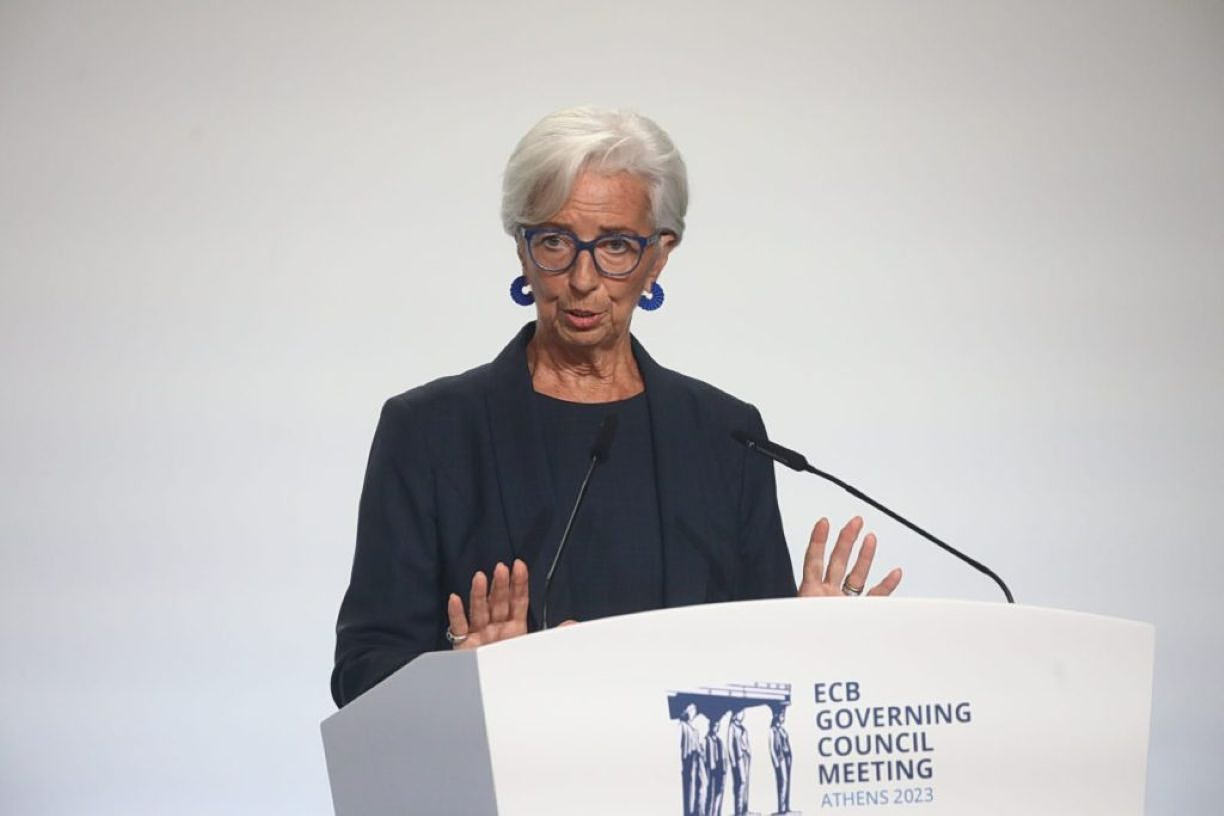
European Central Bank President Christine Lagarde might step down before her term ends in October 2027, opening the door for French President Emmanuel Macron to influence the appointment of her successor. This potential early exit emerges amid strategic moves within Europe to ensure key leadership roles remain in line with current political interests, especially ahead of the 2027 French presidential elections. If Lagarde resigns soon, it would allow Macron, alongside German Chancellor Friedrich Merz, to have a decisive say in choosing the new ECB president, a crucial figure in shaping the monetary policy and future of the Eurozone.
This development comes after former Banque de France governor François Villeroy de Galhau stepped down early, an act viewed as a maneuver to prevent successors aligned with the far-right from gaining control before Macron’s term ends. The specter of a political shift in France has prompted preemptive decisions to secure influence over institutions like the European Central Bank (ECB), where leadership plays a critical role in directing Europe’s economic stability. Despite the ECB’s official statement denying any decision from Lagarde, insiders suggest her early departure is imminent and politically motivated.
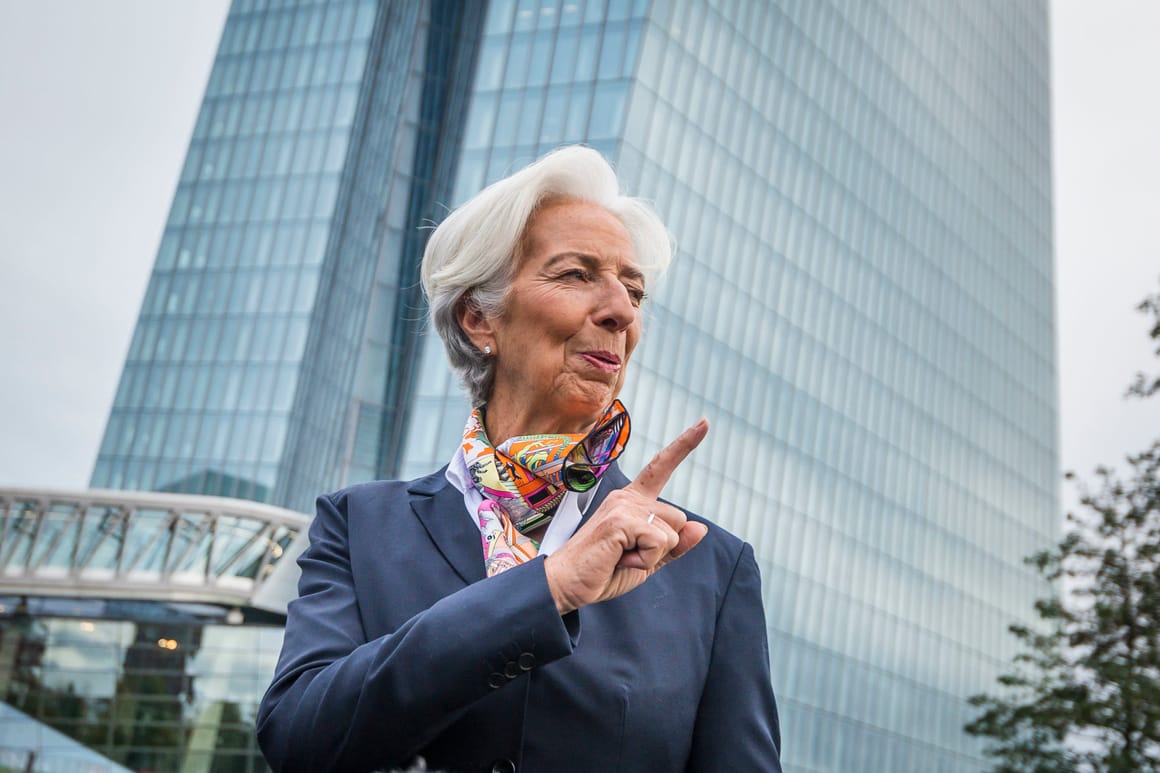
Christine Lagarde’s Potential Early Step Down: What It Means for ECB Leadership
Christine Lagarde has been at the helm of the European Central Bank since November 2019. Under her leadership, the Eurozone has dealt with significant inflation, registering a rise of nearly 20% in consumer prices from late 2019 to 2025. Her monetary policies have been pivotal in navigating the economic uncertainties of recent years.
However, the possibility of her resigning ahead of schedule is stirring considerable discussion across Europe. Her departure before the official end of her mandate would empower Emmanuel Macron and Germany’s Chancellor Friedrich Merz to jointly propose the next leader for the ECB. This move seeks to safeguard the independence of the institution while reinforcing the incumbents’ influence over the trajectory of European economic policy.
This succession strategy highlights the intertwining of politics and financial governance in Europe. History shows leadership roles in institutions like the ECB have long-term impact, beyond mere administrative changes. For instance, recent high-profile resignations at other financial institutions within Europe underscore a broader trend toward recalibrating power ahead of key elections. Macron’s influence on Lagarde’s potential early exit exemplifies how political dynamics shape the future of Europe’s monetary framework.
Strategic Manoeuvres Behind Leadership Changes in the Eurozone
In the months leading up to the 2027 French presidential election, several crucial shifts within European financial institutions hint at a strategy to keep major positions under control. François Villeroy de Galhau’s early resignation from the Banque de France reflects this trend, designed to preempt a possible far-right victory that could disrupt continuity.
Similarly, the potential resignation of Christine Lagarde as ECB president fits within this framework. By facilitating Macron’s influence over the appointment of her successor, European leaders aim to prevent destabilizing changes in monetary leadership. This proactive approach ensures the Eurozone remains on a steady course in the face of socioeconomic and political uncertainties.
Such maneuvers are not just about political power but about protecting the integrity and independence of European financial institutions. The ECB’s leadership is central to decision-making that affects inflation control, economic recovery, and innovation—areas critical to investors and citizens alike. This evolving leadership scenario will shape how Europe meets its economic challenges in the years ahead.