The crypto industry is once again witnessing a high-stakes legal battle as Justin Sun, founder of Tron, initiates a lawsuit against World Liberty Financial (WLFI). This dramatic move comes after a fierce financial dispute over millions of frozen WLFI tokens, highlighting complex issues around ownership, governance rights, and transparency within the blockchain ecosystem. Sun alleges that his tokens were unlawfully frozen, stripping him of voting rights and threatening the destruction of his digital assets. This confrontation not only captures attention due to the powerful personalities involved — including associations with the Trump family — but also because it raises foundational questions about the limits of decentralization and investor protections in cryptocurrency projects.
In brief, Justin Sun’s legal action marks a significant flashpoint in crypto litigation:
– Sun accuses World Liberty Financial of illegally freezing around 2.94 billion WLFI tokens, worth sometimes over a billion dollars.
– The dispute arose after Sun transferred tokens to HTX, his own exchange, which WLFI claimed violated an investor agreement.
– Sun revealed a hidden freezing function within WLFI’s smart contract, enabling the project to unilaterally seize tokens without warning.
– Allegations also include fraud by WLFI’s operators, who allegedly exploited the Trump brand for personal gain.
– WLFI responded sharply, dismissing Sun’s claims and vowing to fight back in court.
This case exemplifies vital challenges facing blockchain governance and investor security in 2026’s crypto landscape.
Justin Sun’s Legal Action Against World Liberty Financial Over Frozen WLFI Tokens
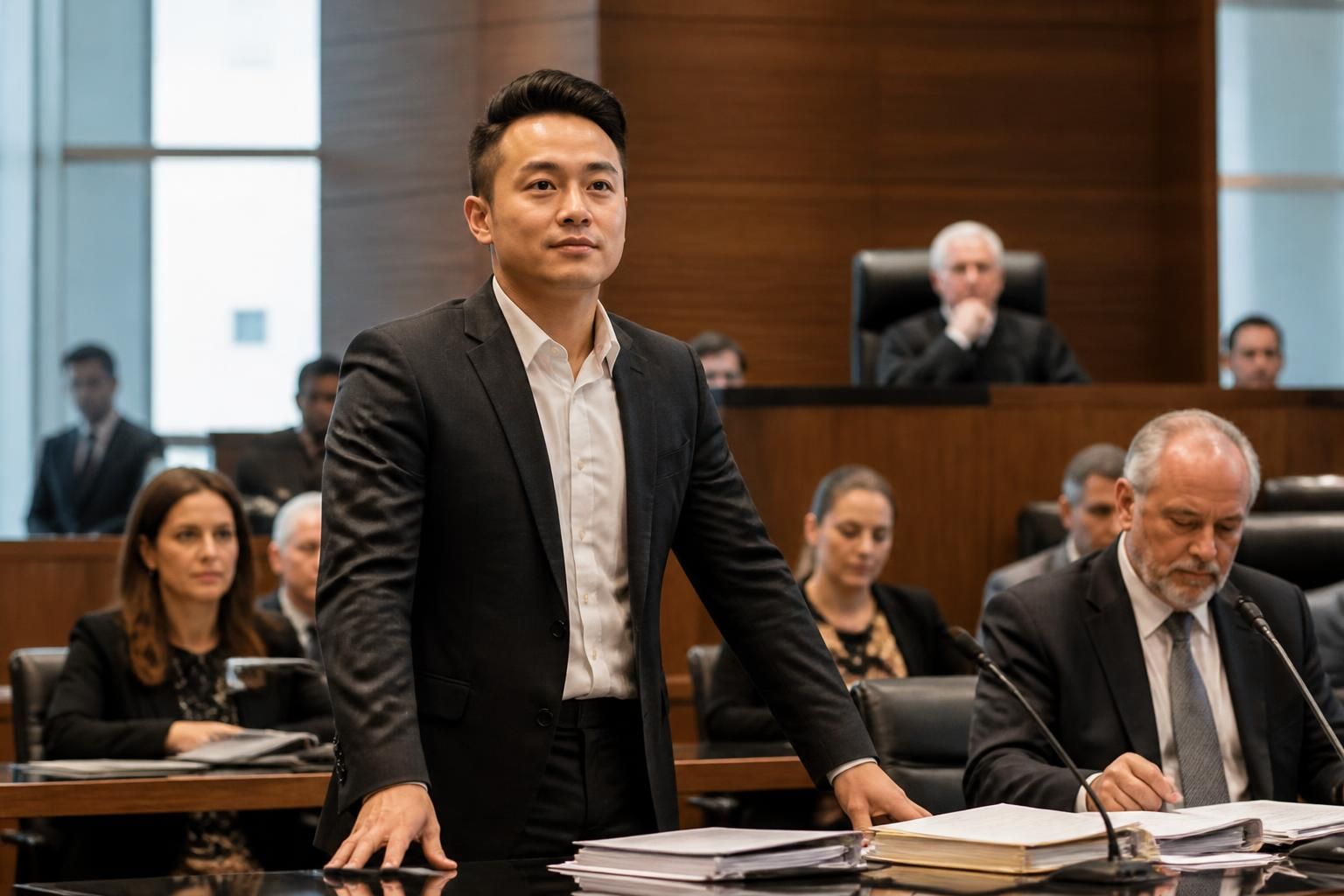
After weeks of mounting tension, Justin Sun decided to escalate the conflict with World Liberty Financial to the courtroom. The lawsuit, filed in a California federal court, charges WLFI with illegally freezing Sun’s holdings of nearly 3 billion tokens — a sum that had at times valued over a billion USD. Sun and the Sun Companies assert they legally acquired these WLFI tokens, which represent both financial value and voting power within the project’s blockchain governance system.
The dispute traces back to September 2025 when WLFI froze Sun’s wallet containing about 100 million WLFI tokens. The freeze followed a token transfer from Sun’s address of $8.9 million worth of WLFI tokens to HTX, an exchange Sun controls. WLFI claimed this move breached an investor agreement requiring tokens to remain locked on their platform for a set period. Sun refuted any wrongdoing, clarifying that the transfer was merely a test of wallet functionality, not an attempt to sell.
The Hidden Smart Contract Freeze Function: What It Means for Blockchain Ownership
Sun’s lawsuit sheds light on a critical blockchain governance concern — the capacity of a centralized authority to freeze or even confiscate tokens through embedded smart contract features. According to the complaint, World Liberty Financial secretly embedded a freeze function in the WLFI smart contracts, granting them unchecked power to immobilize, restrict, or confiscate tokens without prior notice or justification. Such actions contradict the core principle of decentralization that should ideally protect token holders and their ownership rights.
This legal revelation has sparked important conversations across the crypto community regarding whether certain projects may hide centralized control mechanisms behind blockchain illusions. If smart contracts covertly allow token seizures, then investors face unprecedented risks despite the marketing of decentralized finance (DeFi). Sun’s case thus highlights the urgent need for transparency and legitimate governance frameworks in the crypto industry’s evolution.
Political and Financial Stakes: The Trump Connection and Beyond
World Liberty Financial carries added weight because of its association with Donald Trump’s family, which gave the project significant public and political visibility. The partnership combined political branding with ambitious cryptocurrency goals, yet this lawsuit exposes fractures beneath the surface. Sun’s complaint accuses WLFI’s leadership, including Chase Herro, of exploiting the Trump brand in schemes aimed at financial enrichment via fraudulent practices.
While WLFI has not provided an official public response to the lawsuit, company representatives have publicly dismissed Sun’s allegations as unfounded, promising to defend their position vigorously in court. This financial dispute thus merges legal, technological, and political dimensions, fueling intense debate on investor risks and governance legitimacy in the crypto sector.
This bitter legal battle unfolds amidst a wider backdrop of evolving U.S. cryptocurrency regulations and lawsuits involving prominent platforms, further illustrating the turbulent environment facing investors and innovators alike in 2026. For those passionate about blockchain’s potential, such conflicts underscore the importance of rigorous due diligence and cautious optimism when navigating the cutting-edge crypto market.
For a deeper understanding of similar high-profile conflicts and how the regulatory landscape is shifting, explore insights into Justin Sun’s ties with Donald Trump and the latest lawsuits affecting key crypto exchanges.