
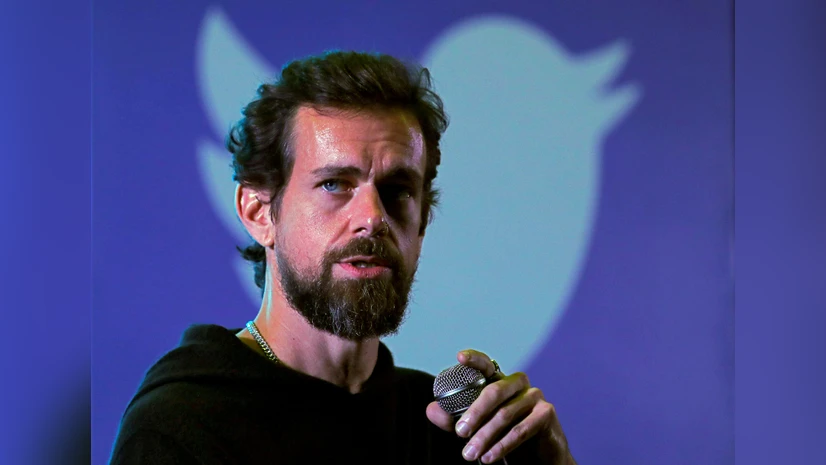
In 2026, as governments clamp down on digital freedoms, Jack Dorsey’s Bitchat Messenger is emerging as a beacon for freedom of expression in countries like Iran, Uganda, and Nepal. When internet shutdowns and censorship threaten citizens’ ability to communicate, Bitchat’s innovative use of Bluetooth mesh technology allows people to stay connected even without traditional internet access. This unique feature becomes indispensable during political unrest or electoral crises, empowering users to bypass government-imposed restrictions and maintain their right to free speech. As state censorship escalates, the rise of decentralized platforms like Bitchat shines a hopeful light on digital rights and secure communication worldwide.
Brief in English:
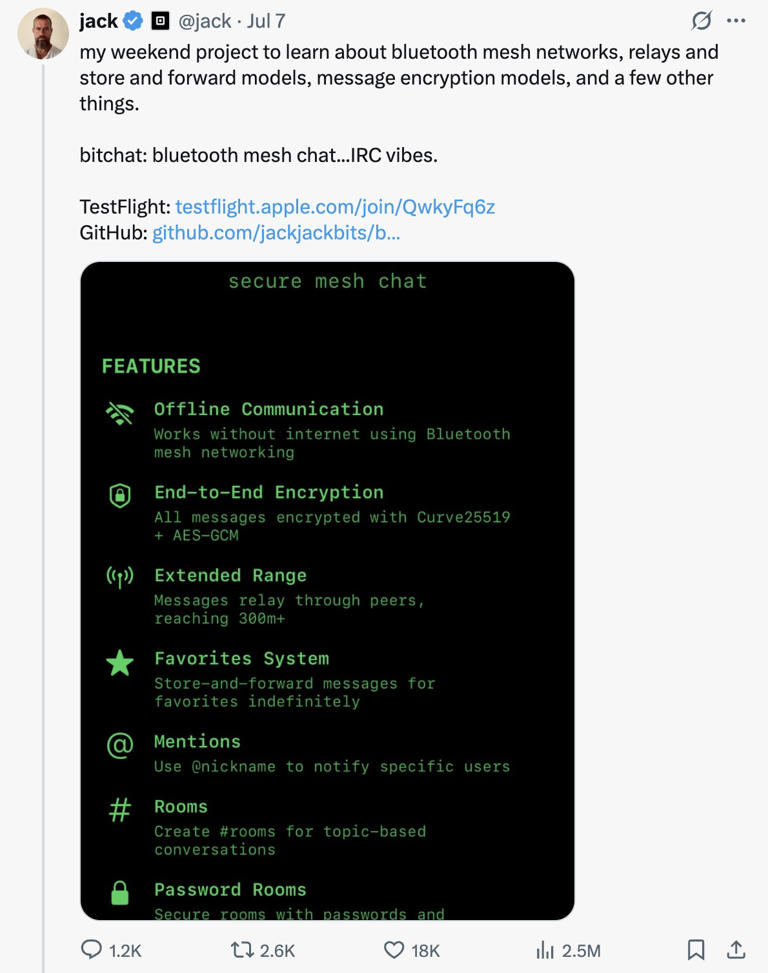
- Bitchat Messenger enables communication without internet by leveraging Bluetooth mesh networks.
- The app surged in popularity in Uganda, Iran, and Nepal amid internet blackouts aimed at suppressing protests and dissent.
- Jack Dorsey, Twitter’s co-founder, designed Bitchat as a tool for those facing censorship and wanting to protect their privacy.
- Despite its promise, secure communication through apps like Bitchat can carry vulnerabilities; users must remain cautious.
- The rise of decentralized messaging highlights the ongoing battle to safeguard digital rights and freedom of expression in repressive regimes.
How Bitchat Empowers Freedom of Expression in Censored Environments
In countries where government authorities frequently restrict internet access to control public discourse, Bitchat Messenger offers a revolutionary solution. By connecting devices directly via Bluetooth, it creates a peer-to-peer network that remains operational even when mobile data and Wi-Fi are entirely shut down. For instance, in Uganda, a complete internet shutdown commenced on January 13, 2026, ahead of critical elections. This blackout, intended to curb misinformation, inadvertently silenced millions. But with Bitchat, users found a lifeline. The app topped download charts in Uganda with more than 28,000 installs recorded this year, spurred by calls from political figures like opposition leader Bobi Wine who encouraged citizens to adopt Bitchat for uninterrupted communication.
Bitchat’s Role in Iran’s Fight for Digital Freedom
Similarly, in Iran, where government crackdowns seek to silence popular protest movements by cutting off internet connectivity, Bitchat has witnessed a surge in adoption. Reuters reported that its usage has more than tripled in recent weeks as Iranians strive to overcome digital censorship and maintain their right to organize and speak freely. In such contexts, traditional communication apps relying on centralized infrastructure become ineffective. Bitchat’s decentralized mesh helps citizens securely exchange messages without relying on potentially compromised networks, demonstrating the rising importance of innovative tools in defending digital rights.
Lessons from Nepal and Beyond: Bitchat’s Role During Civil Unrest
Beyond Iran and Uganda, similar dynamics have unfolded in Nepal. During protests against corruption in September 2025, government-imposed social media blocks aimed to stifle dissent. Yet Bitchat’s offline communication capabilities allowed demonstrators to organize and share information despite official restrictions. This recurring pattern illustrates the app’s growing status as an essential part of modern resistance movements. While it may not replace mainstream platforms like WhatsApp or iMessage, Bitchat excels as a resilient fallback during crises where privacy and secure communication are paramount.
Security Challenges and the Road Ahead for Bitchat
While Bitchat offers a promising alternative in challenging digital environments, experts caution on its cryptographic standards compared to other secure messaging apps. Studies, like those concerning Bridgefy—a similar Bluetooth mesh app adopted during previous protests—have revealed vulnerabilities that can jeopardize user privacy by exposing conversation metadata or allowing impersonation attacks. Uganda’s Communications Commission openly stated they “know how to make Bitchat ineffective,” underlining the ongoing cat-and-mouse game between authorities and decentralized tech.
This reality highlights an important truth: no single application can guarantee absolute security, especially when facing well-funded adversaries. Nevertheless, the mere existence of such tools marks a tremendous stride toward safeguarding digital freedom and circumventing censorship. Users must remain vigilant and informed, balancing the quest for freedom with awareness of technical limitations.