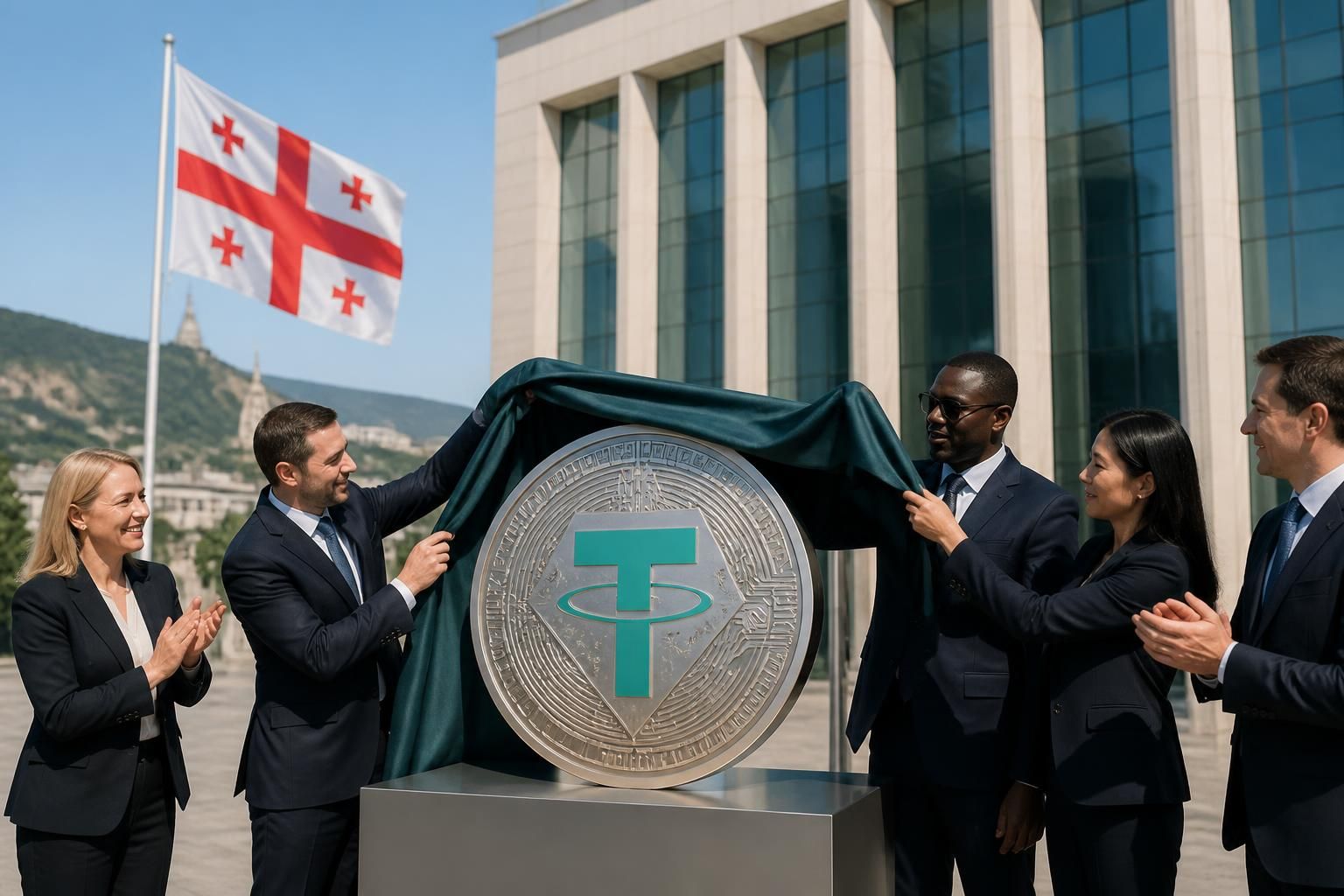
The Republic of Georgia is making a groundbreaking leap into the future of finance by launching GEL₮, its first official stablecoin, in an unprecedented partnership with Tether, the world leader in stablecoin issuance. This digital currency, pegged 1:1 to the Georgian lari, represents more than just a cryptocurrency innovation — it signals Georgia’s bold stride toward integrating its national currency with blockchain technology under a forward-thinking regulatory framework. At a time when digital currencies are transforming global economies, Georgia’s move could redefine how small nations embrace the digital economy, enabling faster, cheaper cross-border payments and fostering the growth of local fintech sectors with programmable finance capabilities.
In brief
- Georgia partners with Tether to launch GEL₮, a stablecoin pegged to the Georgian lari, marking the country’s first national currency issued on blockchain.
- The project aims to reduce transaction costs, enable near-instant settlements, and promote programmable payments to stimulate fintech innovation in the region.
- GEL₮ is designed within a regulatory framework compatible with emerging U.S. regulations, including the GENIUS Act, positioning Georgia as a pioneer in regulatory interoperability.
- Through this collaboration, Georgia seeks to enhance financial connectivity and transparency while expanding its digital economy beyond traditional borders.
Georgia’s Strategic Leap into Blockchain with GEL₮ Stablecoin
In a pioneering approach to national finance, Georgia has teamed up with Tether, the largest stablecoin issuer globally, to introduce GEL₮ — a digital version of the Georgian lari. This stablecoin is more than just a cryptocurrency; it embodies Georgia’s vision of embedding its currency within the blockchain ecosystem, offering users reduced transaction fees, rapid settlements, and the ability to conduct programmable payments. By leveraging this technology, the Georgian government aims to modernize and digitize its financial infrastructure, opening new doors to digital commerce and cross-border financial operations.
This initiative not just benefits businesses by simplifying foreign trade, but it also fosters a more inclusive financial environment in the region. As the crypto landscape evolves, Georgia’s adoption of GEL₮ places it at the forefront of nations experimenting with digital currency sovereignty without resorting to a traditional central bank digital currency (CBDC). This approach can serve as a replicable model for other emerging economies seeking blockchain integration under stable regulatory guidance.
The Power of Partnership: Merging National Currency with Blockchain Innovation
Georgia’s collaboration with Tether signals a significant shift in how countries can bring their national currencies onto blockchain rails. Tether’s flagship stablecoin, USDT, boasts billions in market capitalization and daily transaction volumes surpassing giants like Visa and Mastercard. This partnership aims to replicate such success with GEL₮, which is tailored specifically to serve Georgia’s economic needs and ambitions.
With GEL₮, businesses, financiers, and everyday citizens gain access to a digital currency that combines the trust and backing of their national government with the flexibility and efficiency of blockchain infrastructure. This fusion encourages growth in local fintech innovation and creates an ecosystem for programmable finance, which can automate numerous financial processes and introduce smart contract utilities to everyday transactions.
Regulatory Harmony: Aligning GEL₮ with US and European Frameworks
One of the most innovative aspects of the GEL₮ project is its regulatory design. It represents a cultural and legal bridge between Georgia and the United States, striving to comply with the expected U.S. GENIUS Act regulations for stablecoins. This preemptive alignment secures GEL₮’s future relevance, particularly in digital asset legislation that aims to bring transparency and oversight to the rapidly expanding stablecoin market.
Moreover, considering Georgia’s dynamic economic ties with the European Union, Tether must ensure GEL₮ adheres to the stringent standards outlined by the EU’s MiCA (Markets in Crypto-Assets) regulation. Adherence to these norms ensures that GEL₮ can legally circulate within European markets while meeting rules on reserve backing, governance mechanisms, and transaction limits.
Georgia’s regulatory foresight places it among the first nations actively pursuing interoperability with emerging digital currency standards, making GEL₮ a front-runner in securing a compliant, globally accepted digital currency framework.
Digital Currency as a Catalyst for Economic Modernization
Georgia is no stranger to cryptocurrency experimentation; citizens can already pay taxes converted instantly from crypto to local currency. Yet, GEL₮ is positioned as a more comprehensive step toward digitizing the national currency without the complexity or expense of developing a central bank digital currency (CBDC). This project emphasizes how smaller countries can harness blockchain technology quickly and pragmatically.
Prime Minister Irakli Kobakhidze expressed optimism about the partnership, highlighting that this initiative “lays the foundations for a more connected and transparent financial world.” Through GEL₮, Georgia hopes to elevate its status as a crypto hub, attract investment, and foster technological innovation that benefits both the local economy and the wider region.
For those curious about the agile development of stablecoins and their global impact, exploring similar initiatives through sources detailing the surge in stablecoin payments or the intricate regulatory efforts represented by MiCA approvals in Europe can provide valuable insights.