
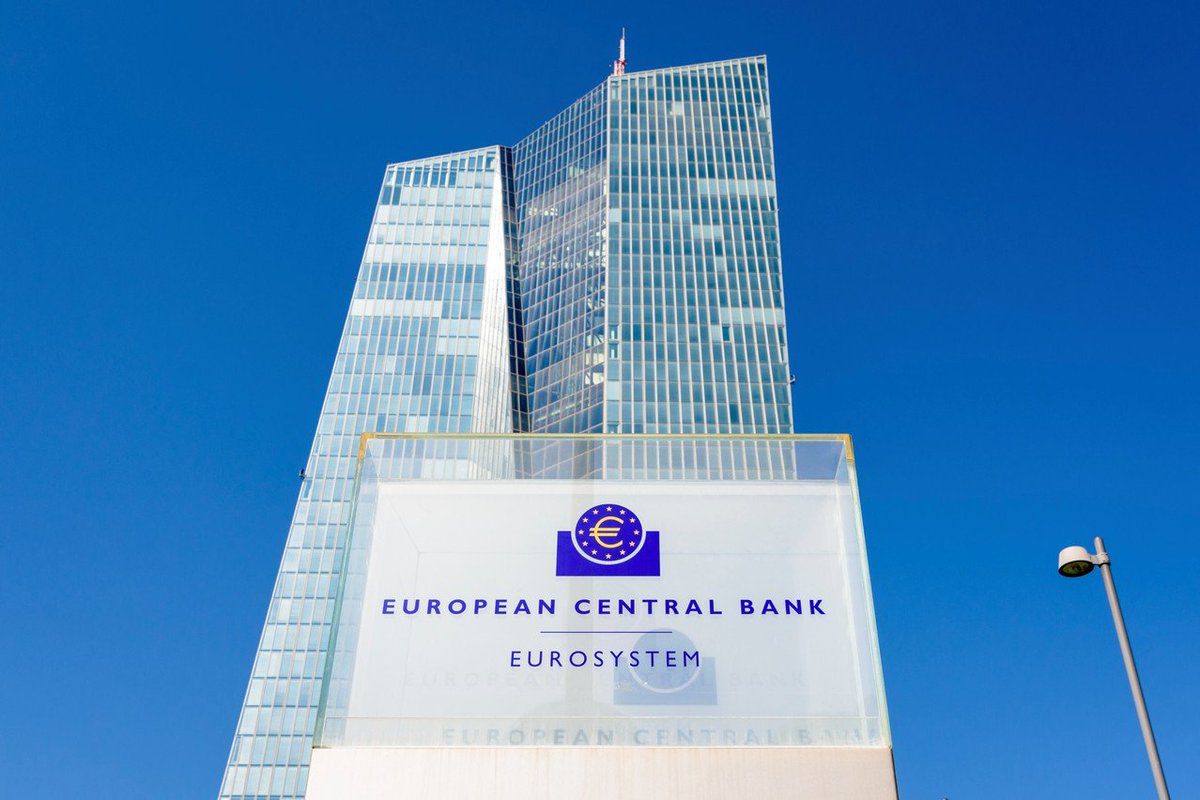
In a remarkable shift towards embracing the innovations of digital finance, the European Central Bank (ECB) has declared that starting from March 30, 2026, it will accept tokenized assets as collateral for its credit operations. This development marks a significant milestone in the integration of blockchain technology within traditional banking frameworks, indicating the growing recognition by a leading central bank of the potential that asset tokenization holds for transforming monetary policy and financial markets in Europe.
Traditionally cautious about cryptocurrencies and related technologies, especially around stablecoins in US dollars, the ECB’s embrace of distributed ledger technology (DLT) signals an important realignment. The bank’s decision highlights its strategic move to incorporate financial regulation standards while fostering innovation in secure, efficient collateral management. This acceptance will allow marketable digital assets issued on compliant DLT platforms, registered within central securities depositories (CSDs), to be used similarly to conventional collateral assets.
In brief:
- The ECB will accept tokenized assets issued on DLT platforms as eligible collateral from March 30, 2026.
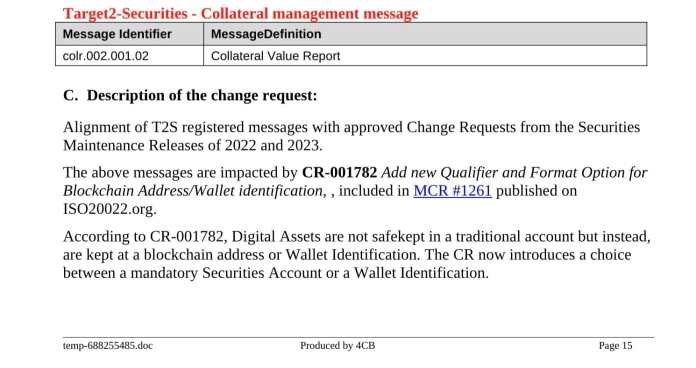
- Collateral must meet existing Eurosystem eligibility criteria and be settled through regulatory-compliant systems such as TARGET2.
- This move bridges blockchain technology with traditional monetary policy tools, enhancing liquidity and asset management.
- The initiative opens pathways for potential integration of decentralized finance (DeFi) assets in future collateral frameworks.
- Represents a cautious but progressive step by the ECB towards wider adoption of cryptocurrency innovations in the financial ecosystem.
How the ECB’s Acceptance of Tokenized Assets Will Transform Collateral Usage
The decision to incorporate tokenized assets as eligible collateral perfectly aligns with the ECB’s ongoing efforts to modernize the financial infrastructure in Europe. Banks authorized within the European Union can now pledge these digital assets to guarantee loans from the Eurosystem, a practice echoing the existing use of traditional securities via the TARGET2 payment system.
For example, a commercial bank holding tokenized bonds or securities on a blockchain can leverage them as collateral, thus tapping into liquidity more efficiently. This creates a powerful synergy between digital finance innovations and age-old monetary policy mechanisms, enhancing speed, transparency, and security in financial operations.
Ensuring Compliance Through Rigorous Regulation and Oversight
The ECB is fully aware that the inclusion of tokenized assets must meet stringent financial regulation standards just like any other asset class. These digital assets will have to be recorded in central securities depositories and maintain eligibility according to Eurosystem criteria, ensuring consistency and safeguarding systemic financial stability.
The gradual integration strategy includes ongoing research by the ECB on expanding eligibility to assets outside conventional settlement systems. This hints at future possibilities where fully decentralized assets from the DeFi realm could play a role, provided they fulfill regulatory and operational prerequisites.
What This Means for the Future of Cryptocurrencies and Monetary Policy
By accepting tokenized assets as collateral, the ECB signals openness to the transformative power of blockchain and cryptocurrency. While still cautious, this strategic adaptation suggests central banks acknowledge the advantage of digitizing securities to improve liquidity access and risk management.
This movement also connects to wider trends in global finance, where institutions are exploring the tokenized stock market, digital euros, and efficient on-chain settlement methods. Industry leaders like Changpeng Zhao have engaged with multiple governments about asset tokenization, reflecting a broader momentum towards blockchain integration in financial ecosystems.
For those beginning their journey in cryptocurrencies and digital assets, understanding these structural changes reveals the growing importance and legitimacy of blockchain within regulated finance. The ECB’s move isn’t just about accepting new forms of collateral; it’s a door opening to a future where monetary policy and digital innovation intertwine seamlessly.
For readers eager to expand their knowledge on the evolving market of tokenized stocks, exploring comprehensive guides like how tokenized stocks work offers valuable insights into this transformative asset class.
Embracing this technological leap may appear complex at first, but it confirms that the world’s financial giants are adapting, ensuring that digital finance is not only a futuristic concept but a practical tool shaping today’s and tomorrow’s economies.