
The launch of the Digital Euro marks a strategic milestone for the European Union in 2026, positioning itself as a pivotal response to the increasing use of stablecoins and other private digital payments solutions that challenge traditional banking structures. As the digital economy accelerates, this new form of digital currency is designed to preserve the central role of banks within the eurozone, ensuring monetary policy control remains firmly anchored within the hands of public institutions. With a pilot project set for 2027, stakeholders are preparing for a year-long test phase that aims to reassure both consumers and financial entities about the benefits and security of this innovation.
While some countries like the United States remain cautious about central bank digital currencies, favoring private stablecoins, the European Central Bank (ECB) is committed to fostering currency innovation that upholds the Union’s financial stability. This initiative does not merely serve as a technical upgrade. Instead, it represents a broader effort to align digital payments with regulatory frameworks that protect consumers and maintain trust in the traditional banking sector.
Digital Euro’s Role in Strengthening Banking and Monetary Control
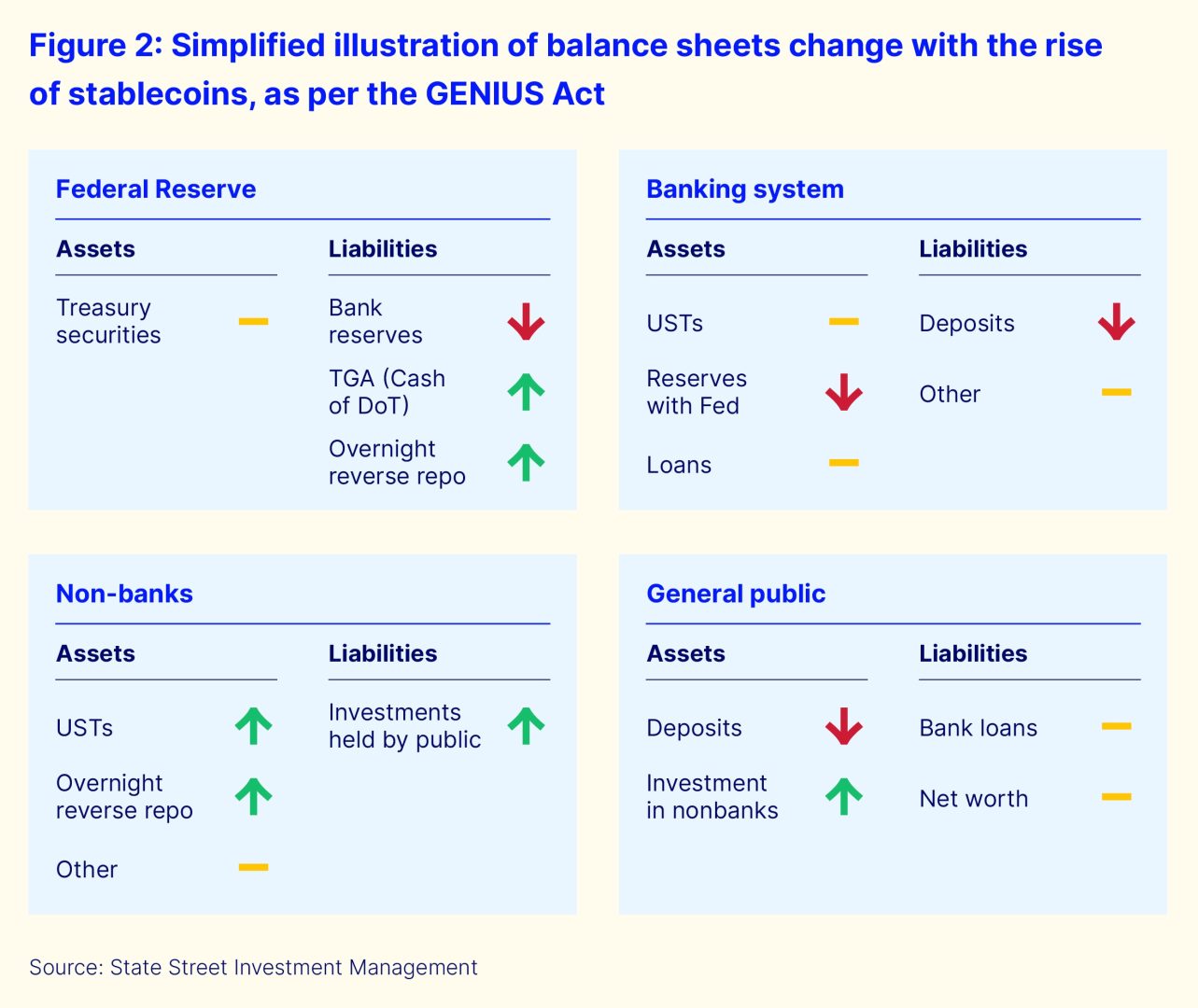
The ECB’s Digital Euro project focuses on maintaining banks as essential players in the payment ecosystem. According to Piero Cipollone, a member of the ECB’s Executive Board, the digital euro will act as a shield against the rising competition posed not only by stablecoins but also by a variety of “other private solutions.” These alternatives threaten banks with loss of customer deposits and valuable payment data, which currently enable banks to offer personalized and profitable services.
This strategic move ensures that banks retain access to crucial financial information while continuing to provide reliable, central bank-backed digital payment options. Through this, the Digital Euro also supports the integrity of the eurozone’s monetary policy by reducing reliance on foreign payment systems and technology providers.
Preparing for the 2027 Pilot: Selection of Payment Service Providers
In preparation for the upcoming pilot phase, the ECB is meticulously selecting payment service providers, merchants, and Eurosystem participants to join the program. This deliberate approach underlines the importance of interoperability and security in achieving a digital ecosystem capable of serving millions across different countries.
The pilot will run for 12 months, giving the ECB and participants time to evaluate operational effectiveness and customer acceptance, while addressing any technical or regulatory challenges. This comprehensive testing phase is critical in easing stakeholder concerns regarding how the Digital Euro might transform daily financial activities, especially in relation to legacy banking systems.
Countering Stablecoins and Encouraging National Payment Systems
The rise of stablecoins pegged to the U.S. dollar and other currencies has pushed the ECB to act decisively. While the digital euro offers a trusted public alternative, it also intends to support national payment systems like Italy’s Bancomat or Spain’s Bizum. By providing enhanced features such as lower fees for merchants, the initiative helps reduce dependence on large international payment networks.
Interestingly, a consortium of European banks is preparing to issue a euro-denominated stablecoin by the end of 2026, highlighting the dynamic and competitive environment digital currencies are shaping within Europe. This coexistence of public and private digital currencies is poised to redefine the future of financial interactions within the continent.
The Broader Impact on Cryptocurrency and Blockchain Adoption
The Digital Euro is more than a currency innovation—it catalyzes broader adoption of blockchain technology and digital assets within regulated frameworks. This fosters greater inclusion for digital payments while promoting transparency and reducing fraud risks intrinsic to many cryptocurrencies.
For beginners curious about cryptocurrency’s evolving landscape, the rollout of the Digital Euro is a prime example of how central banks globally are adapting to the digital revolution in money, striving to marry the benefits of blockchain with the safeguards of traditional financial stability mechanisms. For more insights on navigating this space, resources like guides on buying Bitcoin provide essential knowledge to get started.