
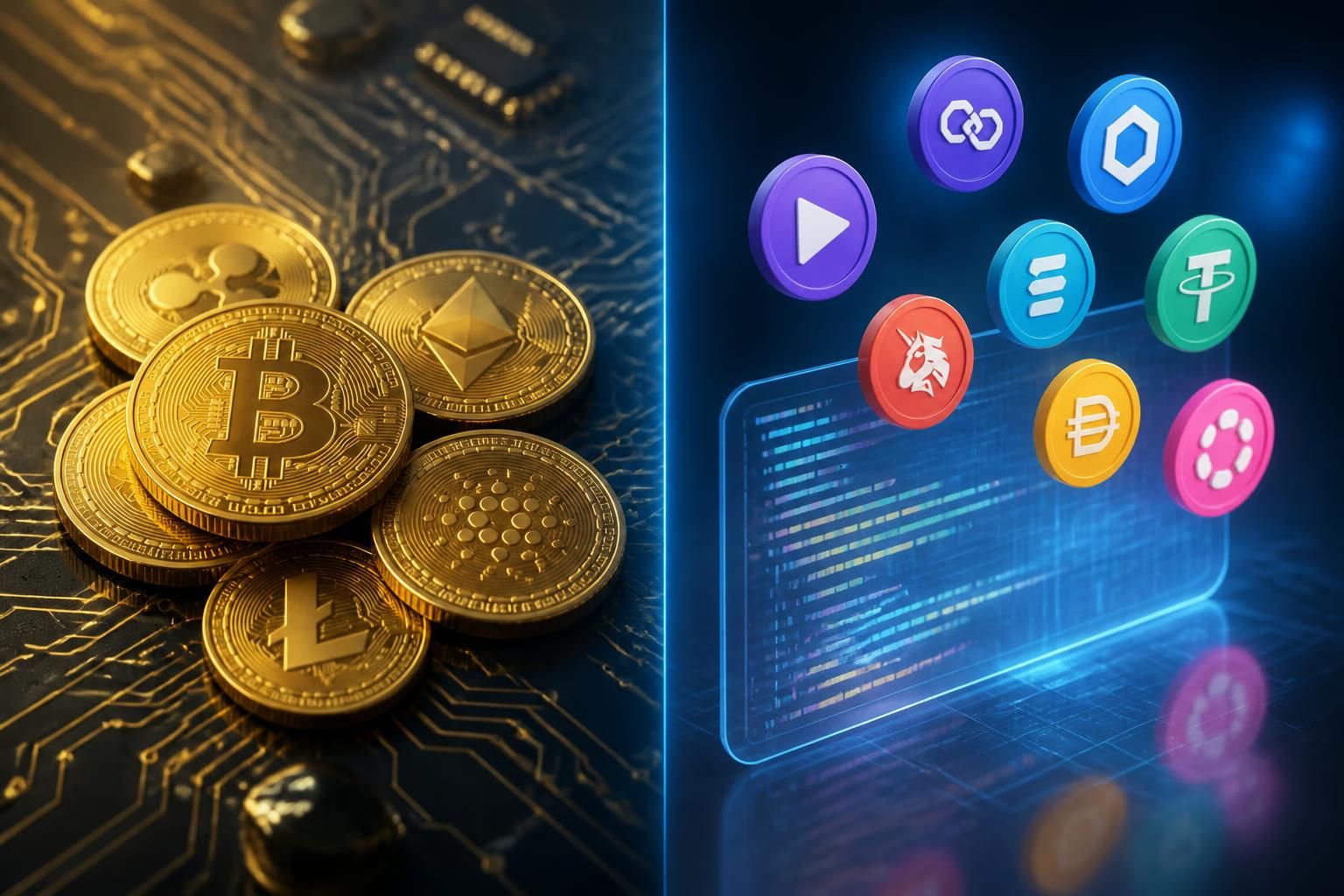
In the dynamic world of cryptocurrency, understanding the distinction between coins and tokens is crucial, especially for newcomers eager to explore this innovative financial landscape. As of 2025, the surge in the adoption of digital assets has emphasized how these two categories—though often used interchangeably—play fundamentally different roles within the crypto ecosystem. Coins like Bitcoin and Ethereum have their own blockchains that support peer-to-peer transactions and act as stores of value. Tokens, in contrast, operate on top of existing blockchains such as Ethereum, bringing versatility by representing various assets or utilities, from in-game currencies to real estate deeds.
This evolving distinction opens new avenues for investment, technological development, and secure digital ownership, making it essential to grasp how wallets like Trust Wallet, hardware solutions like Ledger and Trezor, and platforms such as Binance, KuCoin, and Kraken facilitate the storage and exchange of these assets. Understanding this difference not only helps in making smarter investment choices but also empowers users to navigate safely in an ever-expanding cryptocurrency world.
In brief:
- Coins have independent blockchains and primarily serve as digital currency and value stores, with Bitcoin leading as the pioneer.
- Tokens are built on existing blockchains like Ethereum and can represent a wide range of digital and real-world assets.
- The choice between coins and tokens impacts transaction fees, wallet compatibility, and investment potential.
- Leading exchanges (Coinbase, Binance, KuCoin) and wallets (MetaMask, Trust Wallet) support both forms, offering ease of access.
- Understanding these differences is foundational before buying your first crypto asset, for instance through guides on safe Bitcoin acquisition and general crypto knowledge.
What separates cryptocurrency coins from tokens?
At the heart of cryptocurrency, a coin like Bitcoin runs independently on its own blockchain, serving as digital money used for transactions and as a store of wealth. These coins enable decentralized, secure transfers without intermediaries, anchored by their blockchain which verifies and records every transaction in an immutable ledger. For example, Ethereum powers the native coin Ether, which not only facilitates peer-to-peer payments but also backs the network’s decentralized applications (dApps).
On the other side, tokens live on existing blockchains, leveraging their infrastructure to create new assets. Tokens can represent anything from voting rights, loyalty points, game assets, to even real estate. Because tokens depend on blockchains like Ethereum, they’re more flexible but require compatible wallets such as MetaMask or Trust Wallet to manage and interact with them. This flexibility has led to an explosion in decentralized finance (DeFi) and non-fungible tokens (NFTs), showcasing the innovative power of tokens beyond simple currency.
Why investors need to distinguish coins from tokens in 2025
Knowing whether you’re dealing with a coin or a token affects your strategies around storage, fees, and security. Coins like Bitcoin need specialized hardware wallets such as Ledger or Trezor for higher security, especially for long-term holding. Meanwhile, tokens often incur different transaction fees, depending on the blockchain’s congestion, which investors must account for when trading on popular exchanges like Binance or KuCoin.
Moreover, regulatory landscapes increasingly differentiate coins and tokens, with some tokens falling under stricter securities laws. Therefore, understanding these nuances prevents common pitfalls that beginners might encounter. As users grow more savvy, using reliable platforms such as Kraken or Coinbase becomes essential to ensure authenticity and to reduce risks associated with dubious tokens or unverified coins.
How blockchains empower coins and tokens differently
Each coin operates on a self-contained blockchain. For instance, Bitcoin’s blockchain focuses primarily on facilitating secure and transparent payments. Ethereum’sblockchain extends this by integrating smart contract capabilities, which allow tokens to execute complex agreements autonomously—fueling innovations like decentralized lending or collectibles.
This contrast means coins establish fundamental currency that drives blockchain economies, while tokens add layers of function, unlocking applications well beyond just transferring value. Whether you’re holding Ether in your MetaMask wallet or using tokens within a DeFi app, this layered innovation is redefining how we value and use digital assets in 2025 and beyond.
Tools and platforms shaping your crypto journey
Beginning your crypto adventure requires choosing the right tools. Hardware wallets like Ledger and Trezor offer robust security for coins such as Bitcoin, protecting you from hacks. For tokens, software wallets like Trust Wallet or browser extensions like MetaMask enable interaction with various tokens on Ethereum or Binance Smart Chain.
On the exchange front, Coinbase and Kraken provide user-friendly environments for buying, selling, and storing a mix of coins and tokens securely. Advanced traders might turn to Binance or KuCoin for diverse token offerings and active trading pairs. Understanding these platforms’ capabilities enhances your ability to manage both coins and tokens effectively.