

Cryptocurrency has emerged as a powerful tool in Russia’s economic strategy, transforming from a fringe technology into a central element of financial warfare. Since Western sanctions tightened following the 2022 invasion of Ukraine, Russia has faced significant obstacles in accessing traditional banking networks like SWIFT. This blockade forced Moscow to innovate rapidly, turning its gaze towards digital currency and blockchain-based solutions to safeguard its economic interests and sustain trade.
With its conventional financial pathways under siege, Russia’s adoption of cryptocurrency is not merely a necessity, but a tactical maneuver to evade sanctions and retain international market access. The Kremlin’s pivot towards a tightly regulated crypto framework helps keep funds moving, even as Western powers tighten their grip. Understanding how cryptocurrency functions as a financial weapon in this context highlights its potential impact on the global financial landscape and the evolving dynamics of economic strategy and crypto regulation in 2026.
In brief:
- Russia redirected its global transactions towards cryptocurrencies to bypass sanctions and maintain trade.
- The 2024 law enabled supervised international crypto payments, marking a pragmatic shift in Russia’s financial policy.
- Stablecoins, especially the ruble-backed A7A5, became critical in shielding Russia’s economy from Western banking restrictions.
- Despite international sanctions on crypto platforms, networks of exchanges continue to facilitate covert transactions.
- The rise of digital currency projects like the digital ruble points towards a future of nationally backed blockchain finance in Russia.
How Russia Transformed Cryptocurrency into a Key Financial Weapon
Since the onset of sanctions in 2022, Russia found traditional payment systems increasingly unreliable and restricted. The disruption of SWIFT access, a cornerstone of international finance, created urgent demand for alternative channels. Cryptocurrency swiftly filled this void, offering speed, anonymity, and resilience unavailable in conventional banking.
Initially, the Russian Central Bank remained skeptical of crypto’s legitimacy, often advocating strict limitations or outright bans. However, facing an evolving financial battlefield, the government’s stance changed dramatically in 2024. It approved new legislation permitting businesses to employ cryptocurrencies for international trade in a controlled experiment routed through state oversight. This was less about embracing ideology and more about adopting necessity — using blockchain as an instrument to maintain commercial lifelines amidst hostile sanctions.
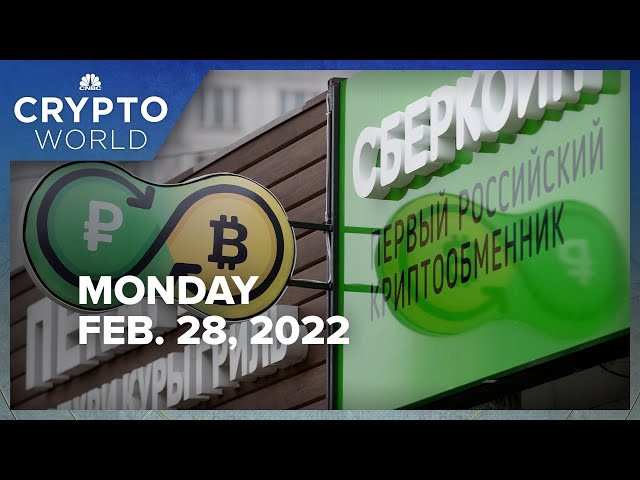
This strategic pivot allowed Russian exporters, especially from the energy sector, to transact payments in cryptocurrencies like Bitcoin, Ether, and USDT, converting currencies such as the Chinese yuan and Indian rupee into roubles efficiently. By navigating these complex exchanges offshore, funds continue to circulate while avoiding the banking chokepoints imposed by Western regulators.
The Critical Role of Stablecoins in Russia’s Economic Strategy
Among various digital assets, stablecoins have become indispensable in Russia’s crypto operations. The introduction of the A7A5 stablecoin, pegged to the Russian ruble and launched in early 2025, exemplifies this shift. This cryptocurrency was created by the fintech company A7 and Promsvyazbank, headquartered in Kyrgyzstan, providing a stable, blockchain-based alternative to evade Western financial restrictions.
By mid-2025, this stablecoin had processed transactions exceeding 7,500 billion roubles, roughly $98 billion, representing nearly a fifth of Russia’s external trade payments. Despite sanctions from the US, UK, and EU against platforms like A7, the system’s design — blending cash and crypto movements through a dense network of companies — has allowed Russia to keep its financial channels open. This method effectively transforms blockchain networks into covert pathways for asset evasion and financial warfare.
The Shadow Network: Russia’s Crypto Exchanges as Gateways to Sanction Evasion
Delving deeper into Russia’s blockchain landscape reveals a complex web of crypto exchanges acting as ghost gateways. These platforms are essential for converting roubles into cryptocurrencies, masking transaction trails, and circumventing Western scrutiny. For instance, Bitpapa, registered in the UAE but focusing on Russian clients, was sanctioned by US regulators in 2024 for facilitating such activities.
Reports highlight how nearly 10% of crypto outflows from Bitpapa were routed to sanctioned entities, including domestic Russian exchanges like Garantex. This network underscores a growing parallel economy that leverages blockchain to secure funds for individuals and businesses amid escalating geopolitical tensions and financial restrictions.
Growing Importance of Russia’s Digital Ruble and Crypto Regulation
While crypto isn’t officially recognized as a legal payment method in Russia, the government supports digital ruble initiatives aimed at creating a sovereign blockchain-based currency system. President Putin has endorsed this digital currency as a modernization tool designed to reduce reliance on Western financial infrastructures. This move signals Russia’s intention to carve out a controlled space within the global crypto revolution, aligning economic sovereignty with emerging digital finance trends.
Meanwhile, the European Union is actively moving to block all crypto transactions with Russia, seeking to close loopholes that enable Moscow’s evasion of sanctions via digital assets. This ongoing clash tests the effectiveness of crypto regulation frameworks worldwide and will influence how governments approach blockchain technologies in the years ahead.
For newcomers eager to deepen their understanding of this complex intersection between geopolitics and crypto, exploring foundational guides like how to start with cryptocurrency offers valuable insights into digital currencies’ broader impact.