
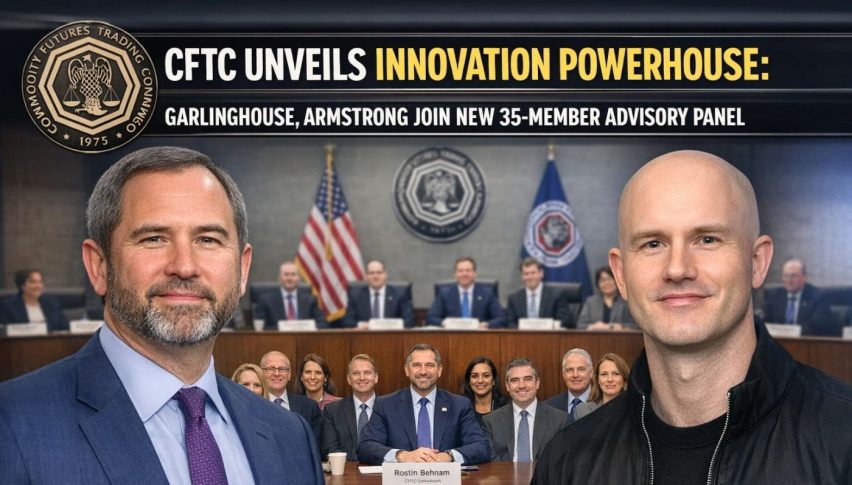
The landscape of cryptocurrency regulation in the United States is witnessing a groundbreaking transformation as some of the most influential leaders in the blockchain industry take seats at the regulatory table. On February 13, 2026, the U.S. Commodity Futures Trading Commission (CFTC) inaugurated its Innovation Advisory Committee, a powerful new body aimed at shaping the future of financial technology oversight. With the appointment of Brian Armstrong, CEO of Coinbase, and Brad Garlinghouse, CEO of Ripple, among others, this committee represents an unprecedented bridge between the world of decentralized finance and federal regulators. This marks a strategic shift toward a collaborative approach in crafting policies that anticipate and embrace innovation in cryptocurrency markets, rather than stifling them.
Comprising 35 members, the committee brings together a dynamic mix of industry pioneers, including familiar faces like Tyler Winklevoss of Gemini, Arjun Sethi of Kraken, and Shayne Coplan of Polymarket. The CFTC’s Chair Mike Selig emphasized the importance of diverse insight, noting that such a group will be instrumental in modernizing regulations to support the evolving landscape of digital assets. This evolution in regulatory attitude signals a progressive recognition of the transformative power of blockchain technology and its potential to redefine financial markets.
How Brian Armstrong and Brad Garlinghouse Are Shaping Cryptocurrency Regulation
The inclusion of Brian Armstrong and Brad Garlinghouse in the CFTC Advisory Council is a game-changer for the cryptocurrency ecosystem. Both leaders have been at the forefront of advocating for clear, fair, and innovation-friendly regulation. Armstrong, known for steering Coinbase into becoming one of the world’s most respected crypto exchanges, brings a wealth of operational knowledge and a steadfast commitment to industry transparency. Meanwhile, Garlinghouse’s work with Ripple has often highlighted the efficiency and potential of cross-border payments powered by blockchain.
Their voices on this council ensure that practical and technologically informed perspectives are prioritized in regulatory discussions. This helps reduce friction between innovators and policymakers—a critical step for accelerating adoption and fostering trust among mainstream financial participants. The committee essentially acts as a liaison, promoting a regulatory environment that is responsive to change and supportive of growth in the crypto sector.
The Role of the CFTC Advisory Council in Financial Technology Innovation
The new CFTC Innovation Advisory Committee serves as more than just an advisory group; it symbolizes a commitment to integrate the insights of key crypto leaders into the policymaking process. With 35 distinguished participants, including influential executives from Coinbase, Ripple, and other major players, it leverages firsthand industry experience to guide regulatory frameworks.
Historically, regulatory oversight of cryptocurrency markets was cautious and often restrictive. However, this enlarged council signals that regulators are actively seeking dialogue and partnership with market innovators. By involving top-tier crypto leaders, the CFTC gains a nuanced understanding of emerging trends, risks, and opportunities within digital assets and blockchain technology. This proactive stance helps futures markets and related financial products evolve with clarity and confidence.
Industry Collaboration as a Catalyst for Blockchain Growth
Bringing crypto leaders like Armstrong and Garlinghouse into the heart of regulatory conversations reflects a strong belief in lasting industry collaboration. Rather than an adversarial relationship between regulators and innovators, the committee fosters mutual respect and problem-solving.
For entrepreneurs and investors eager to explore the potential of cryptocurrencies, this collaborative spirit translates into more predictable and balanced regulations. It reduces uncertainties that have traditionally slowed innovation and adoption. The blockchain industry now finds a valuable platform within U.S. financial governance, moving from suspicion to partnership.