
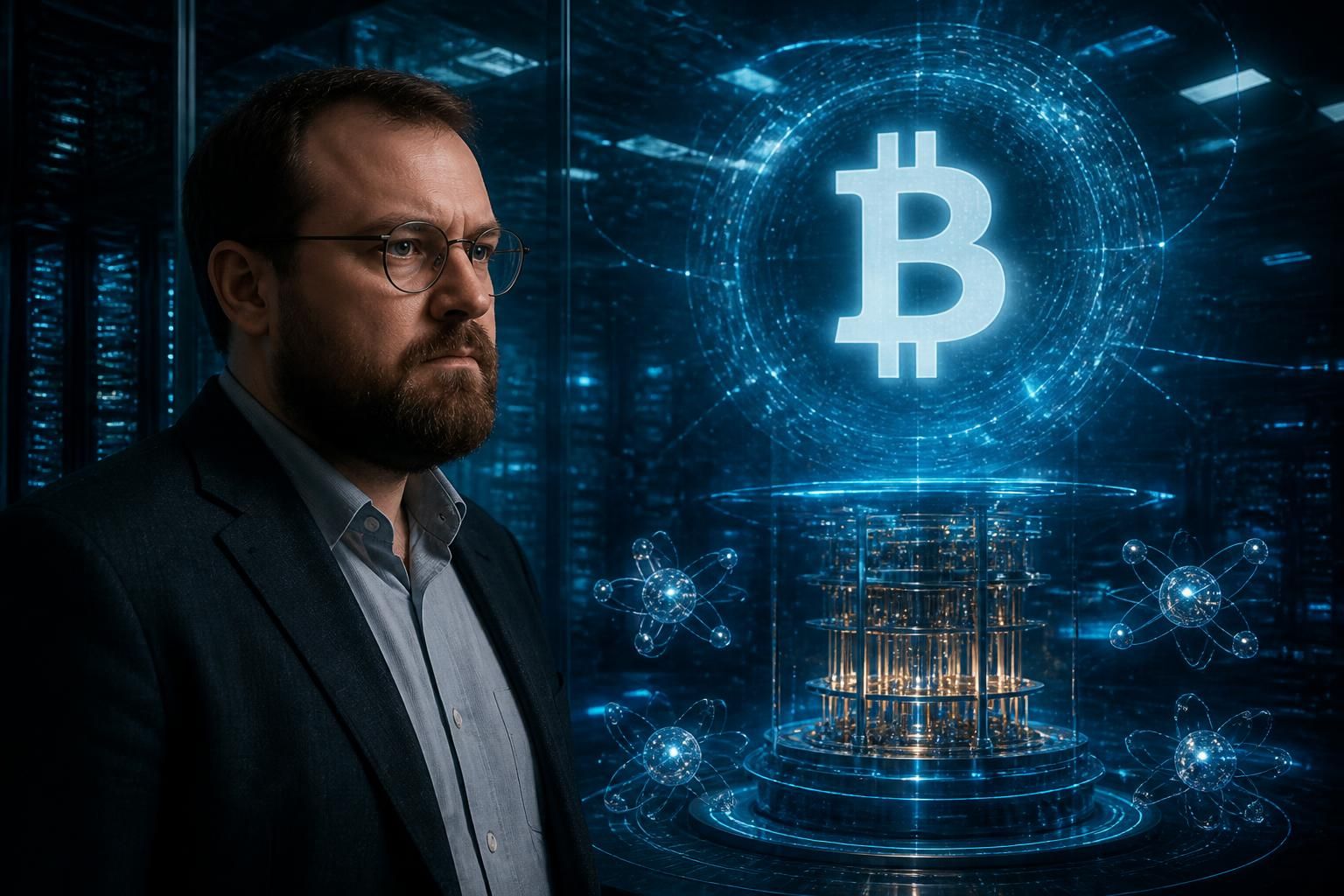
As quantum computing inches closer to reality, securing the vast cryptocurrency reserves, including the legendary holdings of Satoshi Nakamoto, becomes a pressing challenge. The Cardano founder, Charles Hoskinson, has stirred intense debate by questioning the effectiveness of the Bitcoin Improvement Proposal BIP-361, put forward to protect around 1.7 million bitcoins at risk. These coins, valued at over $82 billion, represent not only Nakamoto’s fortune but a significant slice of the market’s security concerns. While some see BIP-361 as a solution to freeze and potentially recover vulnerable bitcoins, Hoskinson warns that the plan may fall short, especially for coins mined before 2013, and demands a hard fork that the Bitcoin community is reluctant to accept. As the crypto world braces for quantum threats expected to intensify by the 2030s, the tension between safeguarding assets and preserving blockchain performance surfaces as a critical dilemma in cryptocurrency security.
In Brief:
- Quantum computing poses a real threat to legacy Bitcoin holdings, particularly the crypto fortune of Satoshi Nakamoto.
- The Cardano founder, Charles Hoskinson, disputes the effectiveness of the current quantum defense strategy proposed by BIP-361.
- BIP-361 would require a controversial hard fork to protect vulnerable coins, a move resisted by Bitcoin developers.
- Approximately 1.7 million bitcoins, including around 1.1 million belonging to Nakamoto, could be unrecoverable under current proposals.
- The debate highlights the complex trade-offs between blockchain security and performance amid the looming quantum threats.
Quantum Computing and the Imminent Risk to Satoshi Nakamoto’s Bitcoin
The dawn of quantum computing threatens to upend the status quo in cryptocurrency security. Bitcoin, the world’s largest digital asset, faces unprecedented risks as quantum technologies evolve. Satoshi Nakamoto’s legendary stash, over 1 million BTC worth more than $82 billion, lies at the heart of this concern. This massive crypto fortune, if compromised, could destabilize market confidence.
Charles Hoskinson, known for his pioneering work with Cardano, warns that the current community safeguards may underestimate the complexity of the threat. The proposal to freeze these assets through BIP-361, championed by Bitcoin researcher Jameson Lopp, intends to prevent theft by locking down exposed coins but critically depends on key recovery methods that Hoskinson argues are flawed. His skepticism toward the feasibility of recovering coins through quantum-secure proofs, especially for bitcoins mined before 2013, underscores serious vulnerabilities in the Bitcoin ecosystem.
Cardano Founder’s Insight on Cryptocurrency Security Against Quantum Threats
Hoskinson stresses that a complete solution may be out of reach without significant compromises. His concern revolves around legacy coins whose private keys are vulnerable because they predate modern security standards like BIP-39 seed phrases. For these coins, a secure recovery or migration is practically impossible, leaving them either at risk of theft or permanently inaccessible.
This harsh reality forces a reckoning with the values Bitcoin maximalists hold dear: the inviolability of the protocol versus the necessity to adapt to new risks. Hoskinson highlights the impracticality of soft forks in this context and openly supports the notion that a hard fork, although controversial, might be indispensable to safeguard these assets long term.
His commentary also calls attention to broader industry implications, including potential pressure from influential institutional investors like BlackRock, who cannot afford to see their holdings compromised by quantum attacks. As more institutions enter crypto, these cybersecurity challenges will likely accelerate the evolution of blockchain technologies toward quantum-resistant designs.
The Controversy Around BIP-361 and the Future of Bitcoin’s Security Protocols
BIP-361 introduces a mechanism to freeze potentially vulnerable bitcoins and requires users to provide quantum-secure proofs for recovery. While this proposal signals proactive thinking, it has sparked divisions among developers and the wider crypto community. The resistance mainly stems from the disruption a hard fork would cause, something Bitcoin’s culture has historically resisted due to concerns about network stability and philosophical ideals.
Hoskinson criticizes this attachment, arguing that clinging to a “perfect” but static protocol jeopardizes billions in crypto fortune. The cold reality is that without protocol evolution, a significant portion of the Bitcoin supply remains exposed to irreversible loss or theft when quantum computers become capable of breaking current cryptographic protections.
Alternatives like adding post-quantum signatures face limitations and do not address the challenge of legacy coins lacking recovery seeds. The impasse highlights a broader need for the crypto ecosystem to innovate collaboratively on quantum-resistant blockchain solutions without compromising on decentralization or performance.
Looking Ahead: How Blockchain Must Adapt to Quantum Computing Threats
The imminent quantum threat has ignited a surge in interest towards quantum-resistant blockchain projects like Cardano. These platforms are already exploring multi-phase plans to shield networks from anticipated vulnerabilities. Though protection upgrades might increase costs and reduce transaction speeds, the trade-off could prove essential for long-term resilience.
Blockchain ecosystems must embrace new cryptographic standards and foster an open dialogue about necessary upgrades. As seen in the debate sparked by Hoskinson, balancing legacy coin security with innovation demands tough decisions and community consensus.
For newcomers eager to learn about securing digital assets in this evolving landscape, understanding the intricate interaction between quantum computing and cryptocurrency security is crucial. Resources like this detailed guide on Bitcoin’s quantum threat or the exploration on quantum resistance in Ethereum provide valuable insights to safeguard your investments.