
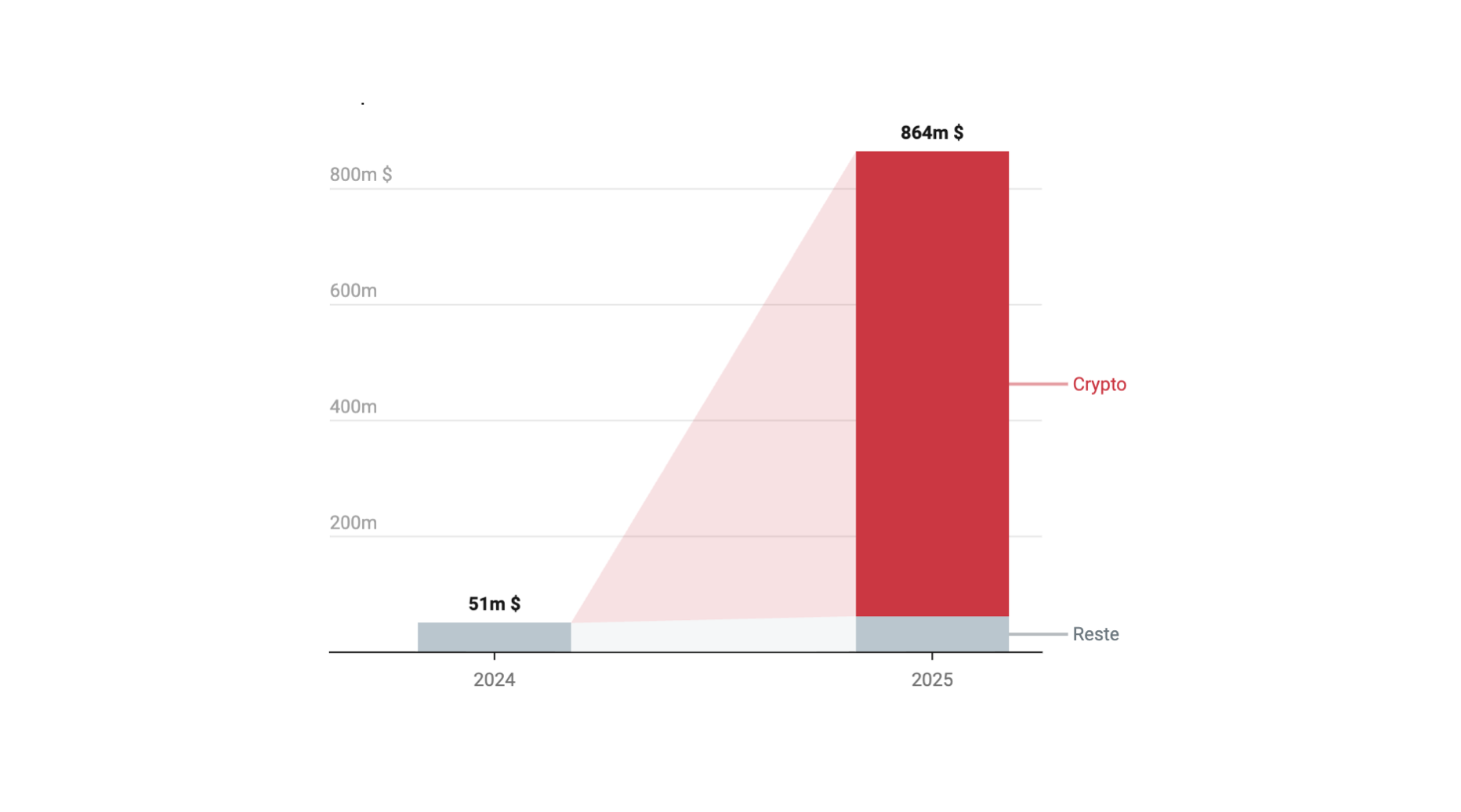
In 2025, the cryptocurrency landscape experienced a remarkable transformation, largely fueled by Donald Trump’s return to the U.S. presidency and his unprecedented embrace of digital assets like Bitcoin. This pivotal year saw Bitcoin surge past $109,000 shortly after his inauguration in January, reflecting a renewed national focus on cryptocurrencies as key financial technologies. Trump’s administration launched the groundbreaking Strategic Bitcoin Reserve, officially elevating Bitcoin to a status of national importance alongside other major blockchain assets such as Ethereum and Cardano. These actions not only reshaped the American crypto regulatory framework, including the introduction of the GENIUS Act to govern stablecoins, but also ignited a wave of institutional adoption and political engagement from other nations and political entities worldwide.
Moreover, 2025 marked the politicization of cryptocurrencies, turning digital currency debates from fringe topics into mainstream political discourse across multiple countries, including France. Institutional players ramped up Bitcoin investments, leveraging innovative financial instruments like ETFs, and even Trump’s own media conglomerate made significant crypto acquisitions. However, despite these groundbreaking advances and heightened market enthusiasm, Bitcoin experienced sharp volatility with a notable 15% flash crash in October, underscoring the complexities that lie ahead for crypto adoption and regulation globally.
For anyone stepping into the world of cryptocurrency today, understanding these developments is crucial to navigating the digital currency space with confidence. The shift instigated by Trump’s policies continues to influence market trends, regulatory approaches, and crypto adoption strategies across continents, making 2025 an unforgettable turning point for blockchain and cryptocurrencies alike.
In brief
- Donald Trump’s 2025 inauguration propelled Bitcoin to new heights, making it a national priority in the U.S.
- Strategic Bitcoin Reserve was established, including major cryptocurrencies like BTC, ETH, and ADA.
- GENIUS Act introduced the first federal stablecoin regulations, boosting market confidence.
- Institutional adoption soared, with companies and families connected to Trump investing heavily in Bitcoin.
- Political discourse around crypto expanded globally, intertwining digital currencies with mainstream politics.
- Market volatility remained present, highlighted by a significant flash crash in October after an all-time Bitcoin high.
How Donald Trump’s Policies in 2025 Redefined Bitcoin and Cryptocurrency Adoption
The year following Donald Trump’s return to the White House was a game-changer for cryptocurrencies, especially Bitcoin. Trump’s vocal support made digital currencies a core part of U.S. financial technology ambitions, culminating in the launch of the Strategic Bitcoin Reserve. This reserve didn’t just include Bitcoin but extended to Ethereum, Solana, XRP, and Cardano, signaling diversified backing for blockchain innovation within governmental reserves. This move dramatically increased the market’s confidence, encouraging both institutional and retail investors to amplify their crypto holdings.
Markets worldwide witnessed the echo of American policy shifts as nations like the Philippines and Taiwan announced plans to create their own strategic digital currency reserves, marking a global ripple effect in crypto adoption. Moreover, individual U.S. states like Texas embraced these changes by initiating local strategic Bitcoin reserves, fostering a more decentralized foundation for cryptocurrency integration into the financial system.

The Introduction of the GENIUS Act and the Federal Regulation of Stablecoins
In July 2025, the signing of the GENIUS Act marked the first comprehensive federal regulation aimed at standardizing stablecoins—a crucial step in ensuring the stability and security of cryptocurrencies used in daily transactions. This legislation mandated stringent reserve requirements and regular audits for stablecoin issuers, effectively reducing risks associated with digital currencies that are pegged to traditional assets like the US dollar. The regulatory clarity provided by the GENIUS Act has been instrumental in enhancing crypto adoption among major financial players and everyday users alike.
By creating a trusted regulatory environment, the Act has encouraged market participants to engage with stablecoins confidently, supporting a surge in stablecoin payments and blockchain-based financial services. For beginners looking to buy their first Bitcoin or understand the safest approaches to hold cryptocurrencies, such official frameworks serve as important reference points in navigating risks and opportunities within the digital currency landscape.
The Surge of Institutional Bitcoin Adoption and the Political Influence on Cryptocurrencies
The Biden years gave way to a new era as Trump’s administration and his family actively invested in cryptocurrencies, blending political influence with financial technology innovation. Trump’s media company, TMTG, made headlines by purchasing $2 billion worth of Bitcoin through ETFs, ranking among the largest institutional holders. Additionally, the Trump family’s foray into decentralized finance was exemplified by the launch of World Liberty Financial’s stablecoin USD1 and the foundation of American Bitcoin (ABTC) in collaboration with mining giant Hut 8.
The political embrace of Bitcoin has transformed it into a talking point across political parties worldwide, from U.S. lawmakers to European parliamentarians. In France, prominent politicians including Sarah Knafo and Eric Ciotti advocated for national crypto reserves and even proposed integrating cryptocurrencies into traditional investment accounts, reflecting the growing intertwining of digital currencies with public policy agendas. This fusion of politics and crypto has brought blockchain innovations from the margins into mainstream financial and regulatory discussions.
Market Fluctuations Amidst Crypto’s Rapid Growth
Despite widespread adoption and institutional enthusiasm, the crypto market has not been immune to volatility. After reaching an astonishing all-time high of $126,000 in early October 2025, Bitcoin experienced a sharp flash crash dropping about 15% within hours. This sudden correction was followed by a continued decline to year lows around $80,600 in November. Presently, Bitcoin stabilizes around $87,000, reflecting the complex interplay of regulatory, political, and market forces driving cryptocurrency valuations.
Such fluctuations demonstrate that while cryptocurrencies like Bitcoin hold extraordinary potential, they also carry risks that investors must understand. For newcomers seeking guidance, reliable resources such as the best crypto wallets for new users and tips on safely storing cryptocurrencies are essential tools to navigate this dynamic market.