
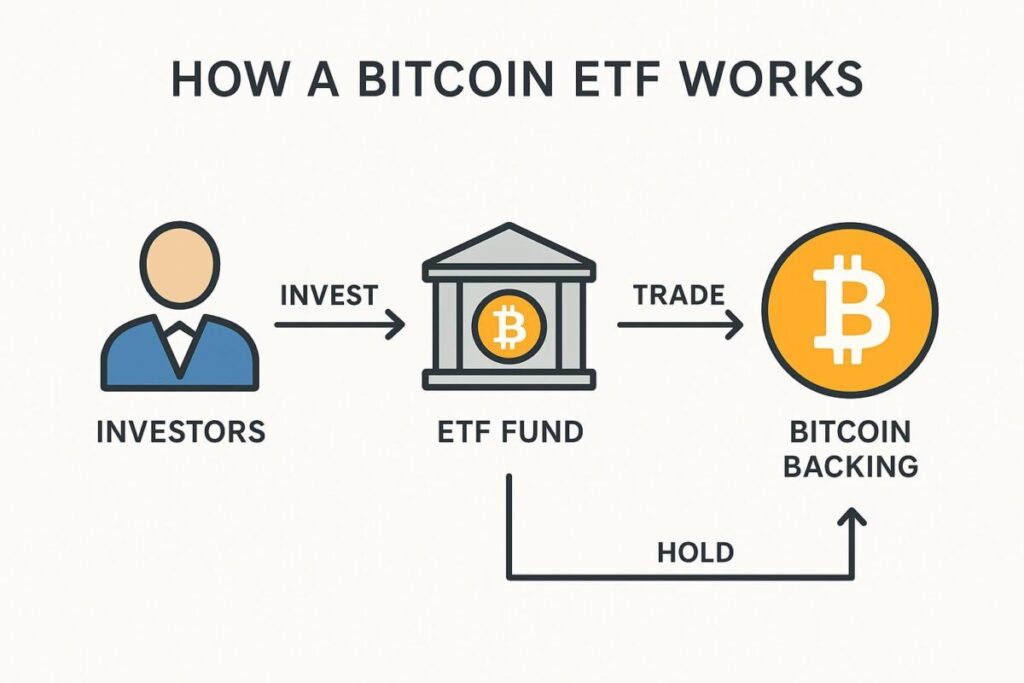
Bitcoin ETFs have experienced a significant drop in their combined market capitalization, dipping below the $100 billion mark for the first time in nearly a year. This decline coincides with a sharp fall in Bitcoin’s price, which reached a low not seen since the aftermath of the 2024 U.S. elections. The cascading effect has raised concerns among investors and traders about the ongoing volatility and shifting market trends in cryptocurrency finance and trading.
In brief:
- Bitcoin ETFs’ total assets under management (AUM) fell to around $97 billion, marking their lowest point since April 2025.
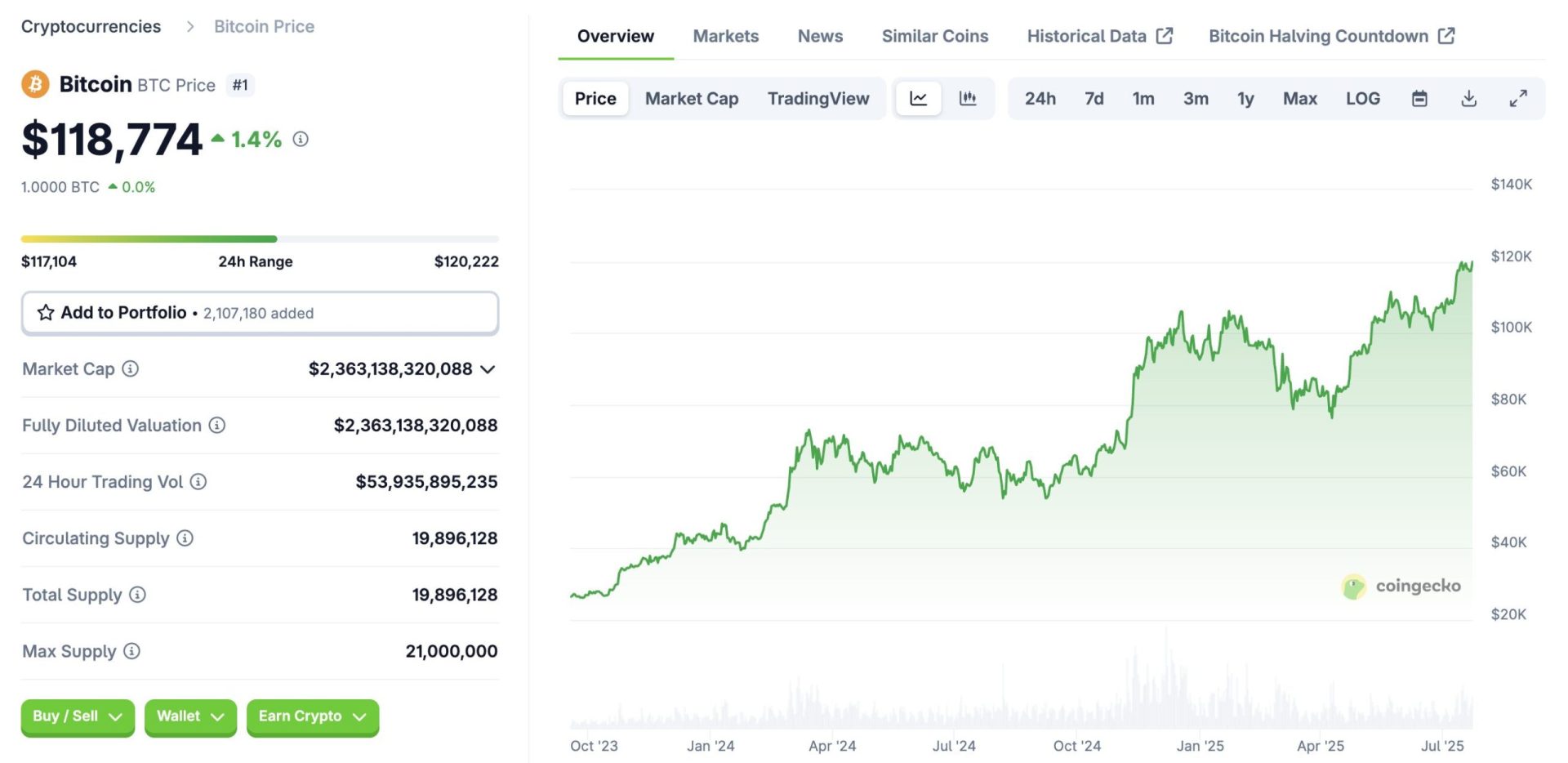
- The BTC price hit approximately $72,900, a level last observed after the 2024 U.S. presidential election, signaling market uncertainty.
- January 2026 witnessed one of the largest outflows in ETF history, with over $1.6 billion withdrawn, following significant withdrawals in the preceding months.
- ETF outflows generally mirror the bear market sentiment, reflecting reduced investment appetite amid increased volatility.
- Despite recent outflows, daily net movements remain moderate, emphasizing price movements as the primary driver of ETF market cap changes.
Bitcoin ETFs Market Cap Slides Below $100 Billion Amid Renewed Bear Pressure
The landscape of cryptocurrency investment has recently taken a dramatic turn as Bitcoin ETFs plunged beneath the crucial $100 billion market cap threshold. This symbolically significant drop has not been witnessed for almost a year, underscoring the prevailing volatility plaguing both Bitcoin and its related financial instruments. The decline is primarily attributed to Bitcoin’s price retracing to roughly $72,900, levels last encountered during the controversial aftermath of Donald Trump’s 2024 election victory.
This turbulence has had palpable effects on ETFs focusing on Bitcoin, particularly spot Bitcoin ETFs in the United States, whose total assets under management have now receded to approximately $97 billion. Since these ETFs play a pivotal role for institutional investors seeking exposure to cryptocurrency without direct ownership, their performance is often seen as a barometer for market sentiment and institutional confidence.
ETF Outflows Reflect Growing Market Volatility and Investor Caution
The market trends driving the drop in ETF assets can be traced back to significant net outflows. January 2026 saw approximately $1.61 billion leave Bitcoin ETFs, making it one of the three largest months for redemptions. This came on the heels of December and November 2025, which themselves recorded sizable withdrawals upwards of $1 billion to more than $3 billion. Even more striking are the weekly figures in early 2026, with two weeks ranking among the worst ever for ETF investment outflows.
However, on the specific day marking the ETF market cap fall beneath $100 billion, outflows were comparatively muted at around $272 million. This contrast highlights that the plunge in market cap is predominantly influenced by the sharp decline in Bitcoin’s price rather than massive ETF redemptions.
For investors entering the world of cryptocurrency trading and investment, understanding these dynamics is vital. While ETFs remain a popular avenue due to their regulated nature and convenience, the intertwined relationship between Bitcoin’s underlying price and ETF valuations underscores the importance of monitoring market movements carefully before committing capital.
How Bitcoin’s Price Volatility Shapes ETF Investment Strategies
Volatility remains the defining characteristic of Bitcoin and cryptocurrency markets overall. The ongoing market correction, marked by Bitcoin slipping under $80,000 for the first time since late 2024, illustrates how rapid price changes can prompt investor risk aversion. This directly impacts ETFs, which track Bitcoin’s spot price and thus feel the full force of these movements.
Such conditions challenge traditional financial investors to adapt their strategies and maintain resilience. The current environment pushes crypto traders and institutional players alike to reassess the timing and scale of their investments, balancing the long-term potential of Bitcoin against short-term turbulence. Tools and knowledge concerning market cap trends, ETF inflows and outflows, and price predictions can assist investors in navigating this complex space.
Newcomers keen on exploring investment in Bitcoin and related financial products will find that engaging with these instruments requires a solid grasp of both Bitcoin’s fundamental technology and the evolving landscape of cryptocurrency finance.