
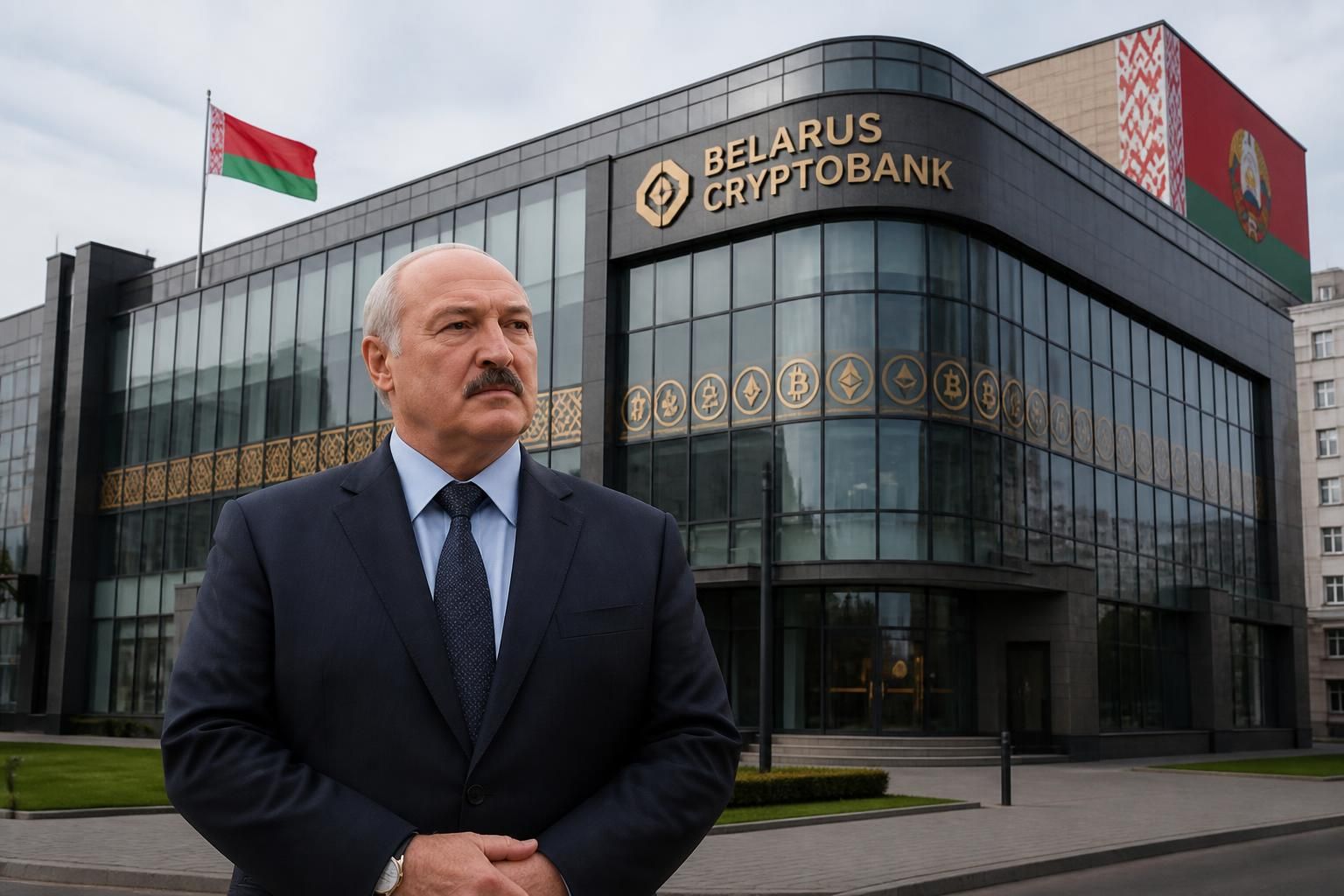
Belarus steps boldly into the future of finance by implementing a formal legal framework for cryptobanks. Spearheaded by President Alexander Lukashenko with Decree No. 19, this move integrates cryptocurrency services into the national banking system under strict government regulation. This groundbreaking initiative aims to establish Belarus as a hub of financial technology innovation, combining traditional banking with the advantages of blockchain and digital currency operations.
Key Highlights:
- Belarus officially legalizes cryptobanks, merging digital assets with conventional banking services.
- Decree No. 19 mandates regulation by both the National Bank and the High-Tech Park supervisory council, balancing financial control with technological innovation.
- Entry requires companies to join the High-Tech Park, a state-supervised economic zone promoting advanced digital banking activities.
- The initiative responds to Belarus’ geopolitical challenges by harnessing cryptocurrency to stimulate economic growth and enhance transaction transparency.
Belarus’s Groundbreaking Framework for Cryptobanks Sparks Financial Innovation
On January 16, President Alexander Lukashenko signed Decree No. 19, a historic legislative milestone that authorizes cryptobanks to operate within Belarus’s regulated financial ecosystem. This decree outlines a meticulously designed framework enabling selected entities to blend traditional banking services—such as deposits, transfers, and lending—with cryptocurrency-related functions like token issuance and digital asset transactions.
To qualify, institutions must first obtain accreditation within the High-Tech Park (HTP), a unique innovation zone designed to accelerate financial technology development under close state oversight. This dual supervision—by the National Bank and the HTP Council—enables harmonized control over financial risks while nurturing blockchain-driven creativity.
By integrating these entities into a regulated framework, Belarus seeks to offer its citizens inventive financial products that harness the speed, security, and flexibility of digital currencies without compromising regulatory standards. This marks a remarkable shift for a post-Soviet nation, embracing digital banking as a catalyst for national progress.
Understanding the Role of Cryptobanks in Belarus’s Evolving Digital Economy
A cryptobank in Belarus is defined as a company authorized to combine cryptocurrency activities with traditional banking operations. It operates under two layers of rules: conventional banking laws ensuring financial integrity, and High-Tech Park regulations fostering innovation. This setup not only secures clients’ assets but also encourages the development of groundbreaking fintech solutions.
For example, a fictional startup ‘CryptoBel’, once accredited in the HTP, can now offer deposit accounts that hold both fiat and digital currencies, while also enabling seamless crypto payments and tokenized lending services. This hybrid approach offers customers the convenience and security of bank-grade services while embracing the transformative potential of blockchain technology.
Belarus’s Strategic Embrace of Cryptocurrency Amidst Regional Challenges
The country’s venture into legalizing cryptobanks unfolds against a complex geopolitical backdrop. With long-standing ties to Russia and subject to similar Western sanctions, Belarus views cryptocurrency as a strategic pathway to circumvent economic pressures and modernize its financial infrastructure.
President Lukashenko’s prior proposals, including using surplus energy from Belarus’s nuclear power plants to mine Bitcoin, reflected an early awareness of crypto’s potential. Yet, the state balanced excitement with control; earlier measures had constrained peer-to-peer crypto exchanges to limit illicit flows. Today’s comprehensive decree reconciles these dual priorities by legalizing regulated crypto operations within a transparent framework that bolsters national security and economic resilience.
The Dual Supervision Model: Ensuring Security and Innovation in Belarus’s Cryptobank System
Belarus’s unique system subjects cryptobanks to a double layer of oversight. The National Bank governs traditional financial operations, ensuring compliance with anti-money laundering (AML) and counter-terrorism finance rules. Simultaneously, the High-Tech Park Council supervises the implementation of cutting-edge blockchain technologies and supports innovation tailored to the digital age.
This pioneering governance approach empowers cryptobank operators to innovate boldly while maintaining rigorous safeguards that protect users and maintain market stability. It offers a blueprint other countries might look to when integrating cryptocurrency into their banking sectors.