
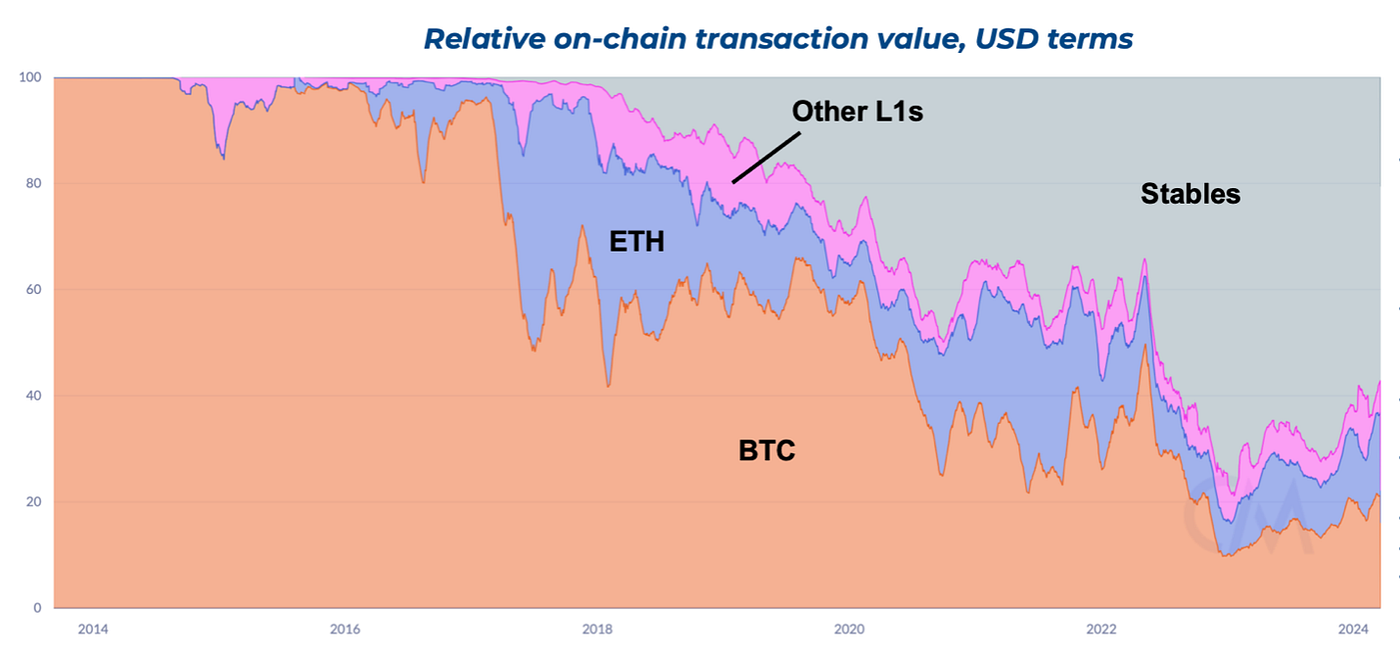
In 2026, a fierce battle rages between traditional banks and the emerging cryptocurrency sector over the right to offer yield on stablecoins. Once dismissed as mere transactional tokens, stablecoins have become a key innovation in finance, attracting users with attractive interest payments derived from safe assets like U.S. Treasury bills. But this success is threatening established banking models that rely on holding vast deposits to fund loans. With legislation in Washington stalled due to disagreements about allowing stablecoin holders to earn interest, the sector stands at a crossroads where the future of digital assets, DeFi, and financial stability hang in the balance.
At the heart of the conflict lies a simple question: should stablecoins be allowed to pay yields that compete with traditional bank deposits? Banks argue this jeopardizes their business, fearing a possible $6.6 trillion outflow of deposits. Crypto firms and innovators counter that forbidding yield would stifle competition and innovation, potentially forcing platforms like Coinbase to move operations overseas. This article explores the evolving debate, the surprising alliances that have formed, and what the outcome may mean for users eager to maximize their returns in a regulated cryptocurrency era.
Why Banks Fear the Rise of Stablecoin Yield in 2026
Traditional banks are alarmed by the growing popularity of interest-bearing stablecoins. This innovation allows consumers to earn a return on their digital dollar holdings, often exceeding the meager interest rates offered by banks. For example, Coinbase currently offers around 3.5% annually on USDC balances through its partnership with Circle, an enticing alternative to traditional savings accounts.
According to a recent analysis, if stablecoins maintain the ability to generate yield, billions—potentially trillions—of dollars could flow out of the banking system, reducing deposits that banks use to provide loans. This siphoning of capital threatens to compress profits and reduce banks’ capacity to lend, which could have a ripple effect on financial stability and increase borrowing costs.
As the Federal Reserve adjusts interest rates, stablecoin yields tend to follow, tying the digital assets’ rewards directly to macroeconomic conditions. This dynamic creates competition banks are not accustomed to facing, pushing them to lobby aggressively in Washington for legislation to ban or severely restrict stablecoin yields.

The Crypto Sector’s Fight for Innovation and Fair Competition
Contrary to the banks’ concerns, many cryptocurrency companies emphasize that stablecoin yields are key for fostering innovation and wider adoption of digital assets. Yield brings new financial opportunities to users who desire stable, transparent, and competitive returns. Unlike banks, this sector often passes interest earned on safe holdings such as U.S. Treasury bills directly back to users, promoting a more equitable financial ecosystem.
Brian Armstrong, CEO of Coinbase, publicly withdrew support for a controversial Senate bill that proposed banning stablecoin yields, arguing the regulation would be more harmful than the current system. Armstrong pointed out that yield-bearing stablecoins not only drive innovation but also enhance transparency and efficiency, elements essential for the next generation of digital assets.
This debate reflects broader tensions over how DeFi platforms and traditional financial institutions can coexist. Crypto proponents envision a hybrid system where banks and yield-bearing stablecoins compete, benefiting users with better returns and pushing banks to share more value with their depositors.
Tether’s Unexpected Alliance with Traditional Banks
In a surprising twist, Tether—the largest stablecoin issuer with its USDT token—has sided with the banking lobby. Unlike Coinbase, Tether does not offer yields on its token and supports proposed legislation that would ban interest payments on stablecoins. This strategic positioning aligns Tether with banks, seemingly aiming to safeguard its dominance by weakening competitors who offer yield.
The launch of Tether’s new stablecoin, USAT, specifically structured to comply with the GENIUS Act, symbolizes this shift. While the broader crypto community argues for open and innovative financial models, Tether appears to prioritize regulatory approval and partnership with traditional financial systems over competing in the yield race.
This split within the crypto ecosystem complicates the ongoing negotiations in Washington, highlighting divergent interests even among blockchain innovators themselves.
What the Future Holds If Banks Win the Yield Battle
Should banks succeed in banning stablecoin yields, the immediate impact would be the disappearance of interest-bearing stablecoins from the U.S. market. Platforms like Coinbase could be forced to relocate services abroad, depriving American investors of innovative savings mechanisms. Meanwhile, banks would secure a continued monopoly on paying interest on dollar deposits, maintaining control over financial stability narratives and safeguarding their traditional profit streams.
This outcome would cement a financial landscape resistant to blockchain-driven innovation, potentially slowing the broader adoption of digital assets within mainstream finance. It could also keep the status quo intact, where the majority of the public misses out on the transparent, efficient, and competitive advantages stablecoins promise.
Alternatively, if a middle ground is found, a hybrid ecosystem could emerge where stablecoin yields and bank deposits coexist, driving both sectors toward more consumer-friendly practices and increased transparency. President Biden’s administration, along with regulators, appear to favor solutions that promote growth in cryptocurrency while protecting consumers, underscoring that the 2026 debate is far from settled.
For more insights on the evolving regulatory landscape, check out the detailed analysis on postponements in US crypto legislation and explore innovative tokenized fund solutions gaining traction via Spiko Europe tokenized funds.