

In the dynamic and rapidly evolving world of cryptocurrencies, understanding how to securely store your digital assets is paramount, especially for beginners. With the crypto market expanding and innovations like hardware wallets and decentralized exchanges gaining traction, the excitement of investment also brings the responsibility of protecting your wealth from hackers, scams, and technical mishaps. Unlike traditional banking, cryptocurrencies require special storage methods that you control personally — no central authority will recover your funds if lost. This article delves into the essentials for beginners, highlighting the crucial difference between cold and hot wallets, the benefits of hardware devices like Ledger and Trezor, and how to avoid common pitfalls when safeguarding your investment.
En bref: Cryptocurrency cannot be stored in regular bank accounts but requires dedicated wallets. Hardware wallets such as the Ledger and Trezor offer superior security through offline cold storage, reducing exposure to cyber threats. Hot wallets like Coinbase and MetaMask provide easy access for daily transactions but carry higher risks. Careful research is essential before choosing an exchange or wallet to prevent scams. Backing up your private keys and understanding wallet features, regulatory compliance, and customer support are key to a secure crypto journey.
Essential Strategies for Safely Storing Cryptocurrency for Beginners
When you venture into the crypto market, the first critical step before hitting “buy” is selecting the right storage method. Unlike fiat money secured by banks, your crypto assets live in wallets — software or hardware tools that hold your private keys and public addresses essential to your ownership on the blockchain. Without proper storage, a single mistake can cost you everything, as happened with Stefan Thomas who lost access to thousands of Bitcoins because he forgot his password. Choosing between cold storage and hot wallets depends mainly on your need for security versus accessibility.
Cold wallets, such as Ledger and Trezor devices, keep your keys offline, making them immune to online hacks — ideal for holding large amounts or long-term investments. Conversely, hot wallets like Coinbase, MetaMask, and Trust Wallet connect to the internet and facilitate easier, more frequent transactions but require stringent security hygiene to mitigate risk.
Understanding Wallet Types: From Hardware Devices to Software Solutions
For beginner investors, the wallet you choose can make or break your experience with cryptocurrency. Hardware wallets like Ledger and Trezor are physical devices that store your private keys offline. They are designed to resist hacking and physical tampering with added security chips, PIN codes, and recovery seeds. These wallets also support thousands of cryptocurrencies, making them versatile for diverse portfolios.
On the flip side, software wallets such as Exodus, SafePal, and Atomic Wallet run on your smartphone or PC and are more accessible for daily use. However, their online nature requires vigilance against malware or phishing attacks. Many of these wallets offer easy backup systems and user-friendly interfaces that suit beginners who trade or transfer crypto regularly.
Choosing the Right Exchange and Wallet Combination
Many newcomers leave their crypto on exchanges for convenience, but this exposes funds to potential exchange hacks or closures. Top exchanges like Binance, Kraken, and Coinbase provide built-in hot wallets with enhanced security protocols, including two-factor authentication and cold storage reserves. While custodial wallets on exchanges ease account recovery, they also mean you don’t have complete control over your private keys.
To maximize security, consider splitting your assets — store the bulk in a hardware wallet while keeping a smaller, transactional balance in a hot wallet. Additionally, leveraging password management tools such as Bitwarden can help secure your credentials and recovery phrases, eliminating risks associated with password loss.
Setting Up Your Cryptocurrency Wallet: Key Steps for Beginners
1. Research and select a reliable wallet or exchange — check reviews and community feedback.
2. Complete any necessary identity verifications to comply with regulations.
3. Create a strong, unique password and enable two-factor authentication.
4. Securely backup your recovery seed phrase offline, never store it digitally without encryption.
5. Fund your wallet carefully, verifying all transaction addresses twice to avoid mistakes.
6. Regularly update your wallet software and keep an eye out for phishing scams.
Practical Tips to Avoid Common Cryptocurrencies Storage Mistakes
New traders frequently fall into traps such as reusing passwords or succumbing to phishing scams. To commemorate this, visit resources like crypto beginner mistakes to learn what pitfalls to avoid. Equally important is diversifying where you store your assets instead of placing all your funds in one wallet or exchange.
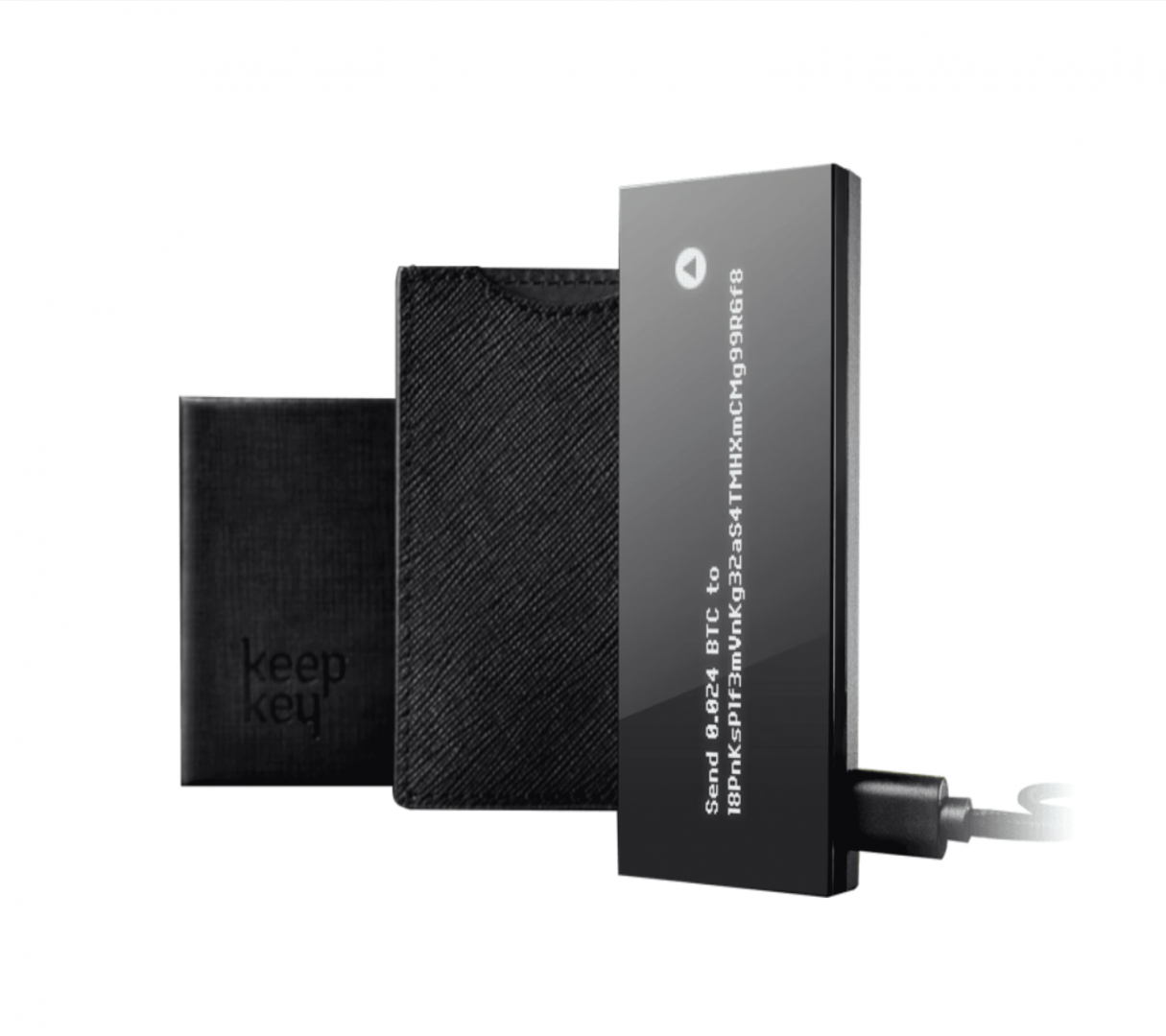
Also, leveraging wallets like KeepKey can offer built-in protections and ease of use for novices. Remember that cold storage devices, while highly secure, demand patience during setup and transactions, but your added effort pays off in peace of mind.
Ultimately, whether you prefer the convenience of hot wallets like Exodus or the bulletproof safety of hardware wallets from Trezor and Ledger, the key takeaway is to tailor your storage method to your lifestyle and risk appetite. Educate yourself continuously and backup your keys safely — this combination forms the bedrock of successful crypto asset management.