
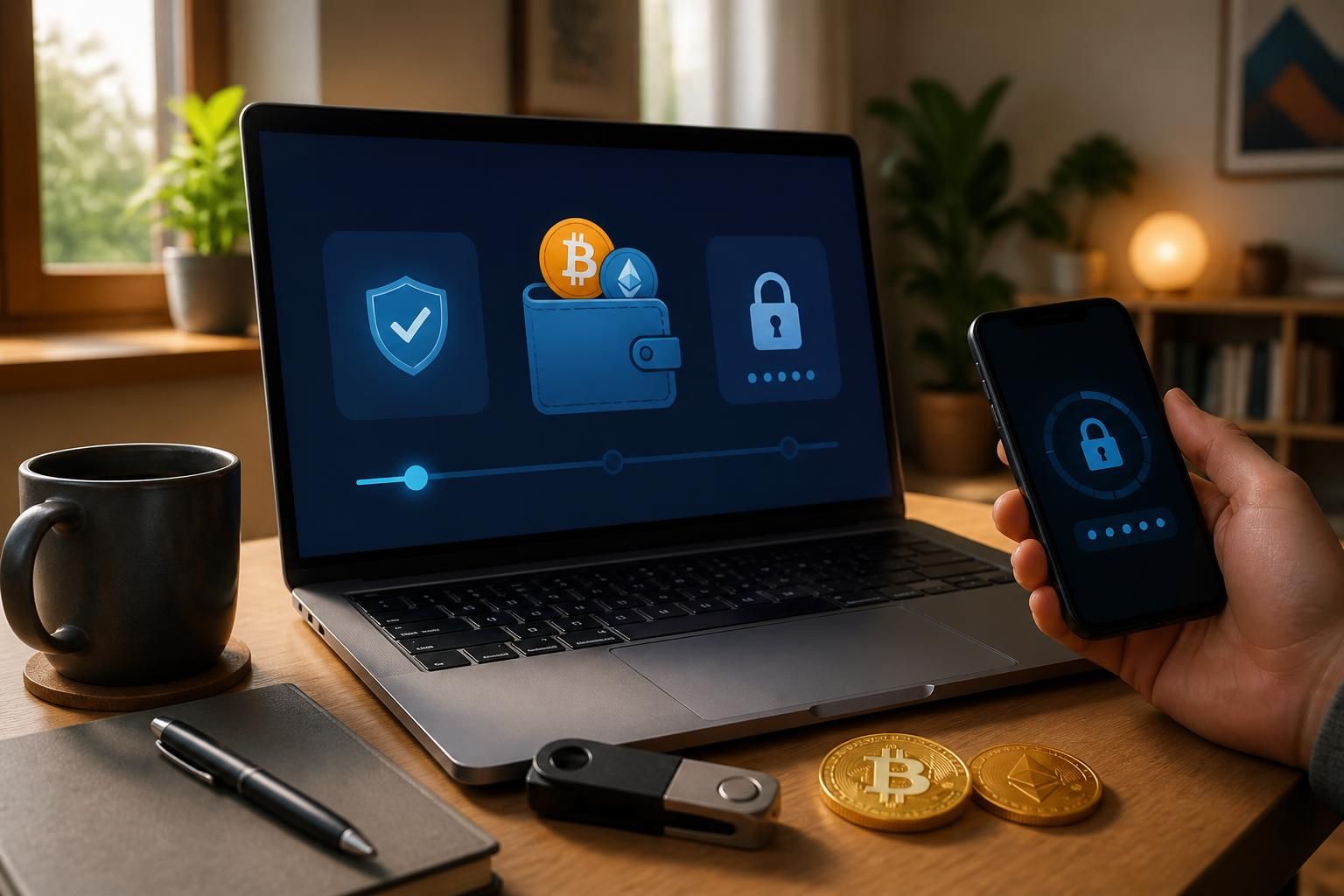
Stepping into the world of cryptocurrency can feel like stepping into a vast and uncharted territory filled with endless possibilities. In a market where innovation meets finance, understanding the basics is key to turning curiosity into confident action. From setting up your very first wallet to making your initial crypto purchase, every step you take lays the foundation for a deeper engagement with digital assets that have transformed how we think about money and ownership.
In 2025, cryptocurrency continues to gain momentum amid shifting financial landscapes, offering people faster transactions, new investment opportunities, and a move towards financial independence beyond traditional institutions. However, with thousands of coins available and a flurry of platforms promising quick success, newcomers must navigate this ecosystem wisely. This guide aims to demystify the essential stages: choosing the right wallet, selecting a trustworthy exchange like Coinbase or Binance, and making your inaugural purchase the right way. By embracing these fundamentals, you’re not just buying crypto — you’re stepping into a world of innovation with the resources to grow safely and smartly.
En bref :
- Start with established cryptocurrencies like Bitcoin or Ether to ensure liquidity and reliability.
- Choose reputable exchanges such as Coinbase, Binance, or Kraken that offer security and user-friendly platforms.
- Set up a crypto wallet like MetaMask or Trust Wallet for day-to-day use, or consider a hardware wallet like Ledger for advanced security.
- Complete identity verification early on to comply with regulations and unlock seamless trading.
- Consider your purchase method carefully — instant buys for speed, or order books for better rates and lower fees.
- After buying, prioritize security by moving assets off exchanges to self-custody wallets to protect your investment.
- Stay educated and cautious, avoiding scams and keeping an eye on market trends for smarter investment decisions.
Picking Your First Cryptocurrency and Why It Matters
When stepping into crypto, starting with a stable foundation is critical. Bitcoin (BTC) and Ether (ETH) are the most widely recognized and traded assets, making them ideal for first-time buyers. Their vast adoption means you’ll find plenty of information, community support, and strong liquidity, meaning buying or selling won’t be hindered by market depth.
Bitcoin acts like “digital gold” – limited in supply and often viewed as a store of value. Ether, on the other hand, powers the Ethereum blockchain, supporting a multitude of applications like smart contracts and decentralized finance. Choosing these as your entry points can help you avoid the volatility and risks associated with lesser-known altcoins. For more insights on selecting your first asset, you can explore our detailed guide on how to choose your first cryptocurrency.
Understanding the Different Wallet Types: Hot vs Cold
Your cryptocurrency journey begins with securing your assets in a wallet. Think of a wallet as your personal bank vault—but digital and totally under your control. There are two main types:
Hot wallets like MetaMask, Trust Wallet, or Blockchain.com are connected to the internet, making them convenient for everyday transactions and quick access. They pair well with centralized exchanges such as Coinbase and Binance, allowing easy transfers and trading. However, their online nature makes them more exposed to hacking risks.
Cold wallets, notably hardware wallets like Ledger or Trezor, keep your private keys offline, greatly reducing the risk of theft. Their physical form looks similar to USB drives and requires you to confirm transactions manually. While initial setup might seem intimidating, investing in a cold wallet is a smart move for anyone holding substantial assets or planning long-term storage.
To protect your crypto, never share your seed phrase—this is the ultimate key to your wallet. Losing it means losing access to your funds forever.
Trusted Platforms: Where to Buy Your First Cryptocurrency
Choosing the right exchange can make all the difference when purchasing cryptocurrency. Platforms like Coinbase, Binance, Kraken, Gemini, and Bitstamp are known for their reputation, security measures, and vast selection of coins. These centralized exchanges (CEXs) allow you to start by creating an account, completing identity verification to meet regulatory demands, then funding your wallet using popular methods such as bank transfers or debit cards.
For beginners, Coinbase offers an accessible and intuitive experience with features like instant buy for simplicity. Binance and Kraken provide advanced order books for those looking to optimize purchase price and fees. Each platform has its strengths, and some geographical restrictions may apply depending on your location.
Once your account is verified—often within 24 to 48 hours—you’re ready to make your first purchase. Our comprehensive guide on how to buy your first cryptocurrency offers more detail on navigating these platforms safely and effectively.
Securing Your Purchase: From Exchange to Personal Wallet
Many first-time buyers keep their crypto on the exchange wallet for convenience, but this introduces a risk. If the exchange faces hacking or insolvency, your assets can be at risk. By transferring your holdings to a self-custody wallet—such as hardware wallets from Ledger or secure software wallets like Exodus—you maintain full control and reduce risk significantly.
Additionally, some exchanges now offer staking services that allow you to earn interest by locking your crypto on “proof-of-stake” blockchains like Ethereum. Staking is a popular way to grow your crypto holdings passively and can be a rewarding follow-up step once you’re comfortable with ownership.
What to Avoid and How to Stay Safe as a Crypto Newcomer
Entering the crypto landscape requires vigilance. Avoid wallets and exchanges without solid reputations, and always enable two-factor authentication (2FA) to secure your accounts. Beware of scams promising guaranteed profits—these often lead to losses. Phishing sites impersonating renowned platforms like Coinbase or Binance are common, so always verify URLs and refrain from clicking suspicious links.
Understanding transaction fees—covering purchases, transfers, and withdrawals—will save you money and frustration over time. Detailed tips and warnings can be found in our guide on common beginner mistakes, helping you build a strong and resilient crypto foundation.