
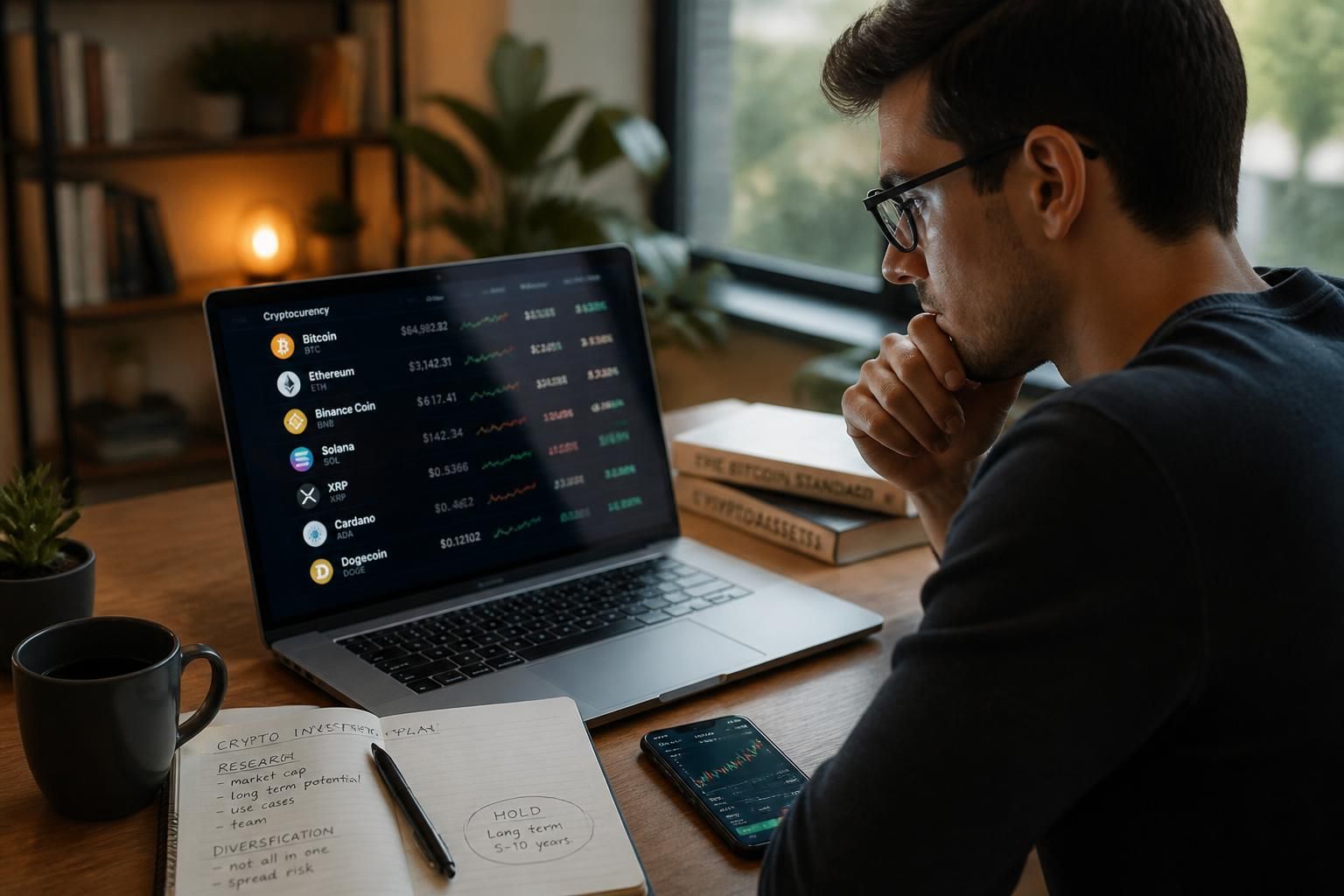
Embarking on your first cryptocurrency investment journey is thrilling yet filled with crucial decisions that can shape your financial future. As digital currencies evolve rapidly, understanding the core principles behind these assets is essential for any beginner. The ever-growing market, highlighted by giants such as Bitcoin and Ethereum, showcases the potential of blockchain technology, but also underscores the necessity of navigating volatility thoughtfully. This guide will equip you with practical insights to confidently select your initial cryptocurrency, balancing excitement with prudent strategy. Whether debating between Coinbase, Binance, or exploring secure wallets like Ledger or Trust Wallet, knowing where to start and what factors to prioritize will set you on a path toward long-term success in the crypto world.
In brief: Understanding market fundamentals beyond hype, assessing utility and technology behind coins, selecting reputable platforms like Kraken or Gemini, evaluating liquidity and token supply, and prioritizing security with wallets such as Crypto.com and Ledger form the pillars of a successful initial crypto investment.
Getting started: Key factors to consider when choosing your first cryptocurrency
Choosing your first cryptocurrency requires a combination of curiosity and cautious analysis. It’s important to look beyond the headlines and understand the real-world use cases and technology underpinning each crypto project. For instance, Bitcoin is widely regarded as ‘digital gold’—a store of value favored for its security and scarcity.
Ethereum stands out for its smart contract capabilities and robust decentralized finance (DeFi) ecosystem, hosting applications like Uniswap and the NFT marketplace OpenSea. These functional differences highlight why utility is a foundational consideration in your decision-making process.
Before committing funds, examine the token’s supply dynamics, including total supply, inflation rates, and distribution. Understanding these factors helps anticipate potential value fluctuations and long-term sustainability. Be sure to complement this with research on transaction fees and network scalability, which affect usability and investment viability.
Exploring platforms such as Coinbase and Binance provides access to a broad range of cryptocurrencies, while ensuring your choices are supported by reliable exchange infrastructure.

Assessing market presence and project legitimacy
The crypto space is crowded with thousands of digital assets, but not all are created equal. It’s essential to invest in projects with transparent teams, clear roadmaps, and active communities to minimize risks associated with scams or unsustainable projects.
Utilize resources like CoinMarketCap and crypto basics guides to examine market capitalization, liquidity, and recent trading volumes. High liquidity is often a sign of a trustworthy asset, allowing you to buy or sell without significant price impact.
Moreover, established exchanges like Kraken and Gemini enforce rigorous security protocols and compliance measures, offering an additional layer of safety for newcomers entering the sector.
The importance of secure storage and choosing the right wallet
After acquiring your first cryptocurrencies, protecting them is paramount. Options range from custodial solutions offered by exchanges such as eToro and Crypto.com to personal wallets like Ledger hardware wallets or Trust Wallet mobile apps.
Hardware wallets, such as those by Ledger, provide cold storage by keeping your private keys offline, significantly reducing exposure to hacks. Trust Wallet offers user-friendly mobile access with robust security features, making it a popular choice for beginners looking to manage their assets independently.
Establishing strong security practices early, including enabling two-factor authentication and regularly updating your software, ensures your investment withstands the evolving threat landscape.
Exploring investment strategies: Long-term holding versus active trading
Deciding whether to adopt a steady investment approach or actively trade cryptocurrencies hinges on your risk tolerance and time commitment. For many beginners, a buy-and-hold strategy, often executed through dollar-cost averaging on platforms like Coinbase, provides a straightforward path to grow holdings while mitigating short-term volatility.
Active trading, possible on Binance or Kraken, involves capitalizing on market swings but demands a clear understanding of technical analysis and constant market monitoring. Remember, engaging in trading entails higher risk and requires discipline and comprehensive knowledge.
Another accessible approach is investing through thematic crypto exchange-traded funds (ETFs) or funds managed by entities such as BlockFi, offering exposure to the crypto ecosystem without direct crypto handling.