

The world of cryptocurrency continues to ignite curiosity and opportunity in 2025, inviting newcomers to explore a powerful, innovative approach to digital assets. While still emerging compared to giants like Apple or Microsoft, the crypto market offers vast potential for growth. However, embarking on this journey demands understanding key concepts such as blockchain technology, safe investing practices, and the variety of cryptocurrencies available. For beginners eager to dive in, grasping the fundamentals is essential: from what cryptocurrency actually represents to how exchanges like Coinbase, Binance, and Kraken facilitate buying and selling. This guide unpacks these essentials with an emphasis on security, diversity in your portfolio, and strategic investment to help you gain confidence and navigate risks effectively.
Cryptocurrency is far more than just digital money—it’s a technological revolution enabling decentralized finance and new economic possibilities. Starting smart with solid knowledge leads to safer investments and unlocks the dynamic potential of this evolving asset class.
Key Points in Brief:
– Cryptocurrency is a digital asset secured by blockchain technology, offering unique features like limited supply and smart contracts.
– Leading coins include Bitcoin and Ethereum, with emerging competitors like Solana, SUI, and Avalanche providing innovative alternatives.
– Exchanges such as Coinbase, Kraken, Gemini, and Binance are gateways to buying crypto, each with different fees and security measures.
– Keeping your cryptocurrency safe involves using strong authentication, choosing reputable exchanges, and considering hardware wallets like Ledger and Trezor.
– Investments should align with your financial goals and risk tolerance, employing strategies like dollar-cost averaging to manage volatility.
Understanding Cryptocurrency: The Digital Revolution in Finance
At its core, cryptocurrency is a form of digital money built on blockchain technology. Unlike traditional currencies, which governments and central banks control, cryptocurrencies are designed to operate independently in a transparent and secure environment. Bitcoin, created in 2009, pioneered this concept by offering a decentralized peer-to-peer payment system, free from any intermediary like banks.
Ethereum, introduced in 2015, expanded the landscape by supporting smart contracts. These are programmable transactions that execute automatically when predefined conditions are met, enabling applications like decentralized finance (DeFi) that operate without centralized control. This means transactions can be faster, cheaper, and potentially more accessible worldwide.
Many cryptocurrencies serve as “fuel” for their respective blockchain networks, such as Bitcoin’s “BTC” or Ethereum’s “ETH”. Additionally, tokens built on these blockchains represent everything from digital artwork (NFTs) to utilities for specific platforms, opening up diverse avenues for investment and use.
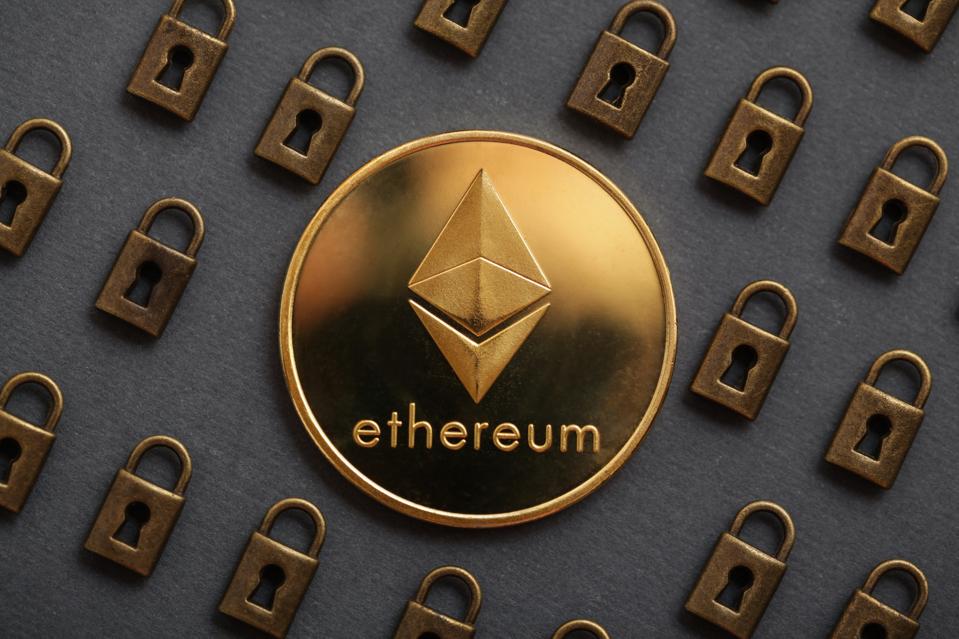
Why Blockchain Matters in Cryptocurrency
The blockchain is a decentralized ledger that records all transactions transparently and securely. Unlike traditional ledgers housed in one location, its copies are distributed across thousands of nodes worldwide, making censorship or fraud nearly impossible without detection.
This structure ensures trust and security, vital to cryptocurrencies’ value. For beginners, understanding blockchain gives insight into why crypto investments can be revolutionary, alongside substantial risks that arise from market volatility and technological challenges.
Exploring Top Cryptocurrencies to Build Your Portfolio
With thousands of cryptocurrencies available, newcomers should focus first on established projects offering stability and strong communities. Bitcoin (BTC) and Ethereum (ETH) remain foundational. Bitcoin’s limited supply — capped at 21 million coins — gives it a store-of-value appeal, often likened to “digital gold.”
Ethereum’s strength lies in its versatile platform for decentralized applications, driving innovations in DeFi and NFTs. Together, these form the backbone of many crypto portfolios.
Beyond these giants, emerging platforms like Solana (SOL) and SUI offer faster transaction speeds and innovative programming models that could reshape blockchain use cases.
Avalanche (AVAX) brings unique network architecture, while Chainlink (LINK) empowers DeFi with real-world data, demonstrating the expanding diversity of crypto ecosystems. Selecting a balanced mix of these assets can diversify risk while capturing growth potential.
Finding Your Approach in the Crypto Market
Choosing which cryptocurrency to invest in should align with your risk tolerance and financial goals. Blue chip cryptos like BTC and ETH are less volatile and serve as safer holdings, whereas smaller or newer tokens might offer higher growth but come with increased risk, including potential failure.
Research is essential—reading whitepapers, learning project goals, and understanding market dynamics help in making informed decisions rather than chasing hype.
Step-by-Step Guide to Investing Safely in Cryptocurrency
Getting started usually involves these clear steps:
First, decide which cryptocurrencies fit your objectives. This decision influences your choice of exchange since not all platforms support every coin. Exchanges like Coinbase, Kraken, Gemini, and Binance are popular for their reputation and security.
Second, create an account on your chosen exchange, complete identity verification (KYC), and enable two-factor authentication (2FA). This step secures your access and protects your funds from unauthorized actions.
Third, fund your account via bank transfer or card to purchase cryptocurrency. Bank transfers often have lower fees but can be slower, while card payments may be instant yet slightly costlier.
Fourth, make your initial purchase, starting small to get accustomed to market movements. Many platforms support scheduled buys, facilitating dollar-cost averaging to reduce risk from volatility.
Maintaining and Securing Your Crypto Investments
Keeping your cryptocurrency secure is paramount. Besides using strong passwords and 2FA on exchanges, many investors transfer their holdings to self-custody wallets for greater control. Hardware wallets like Ledger and Trezor store private keys offline, shielding assets from hacks.
While exchanges provide convenience, they remain targets for cyberattacks or regulatory issues. Moving your crypto off exchanges helps you maintain control and reduces the risk of losing access due to platform failures.
Understanding Risks and Managing Your Crypto Portfolio
Crypto markets are famously volatile, with prices fluctuating rapidly. Beginners must prepare for emotional ups and downs. Significant swings, sometimes over 5% in a day, are common. Strategies like dollar-cost averaging help cushion these impacts by spreading investments over time.
Awareness of external news affecting coins—such as regulatory actions or platform changes—is crucial. For instance, regulatory scrutiny caused disruptions to XRP trading in recent years, highlighting the importance of diversification and staying informed.
Lastly, invest only what you can afford to lose. Given the speculative nature of crypto, careful risk management is essential to build a resilient portfolio with long-term potential.