
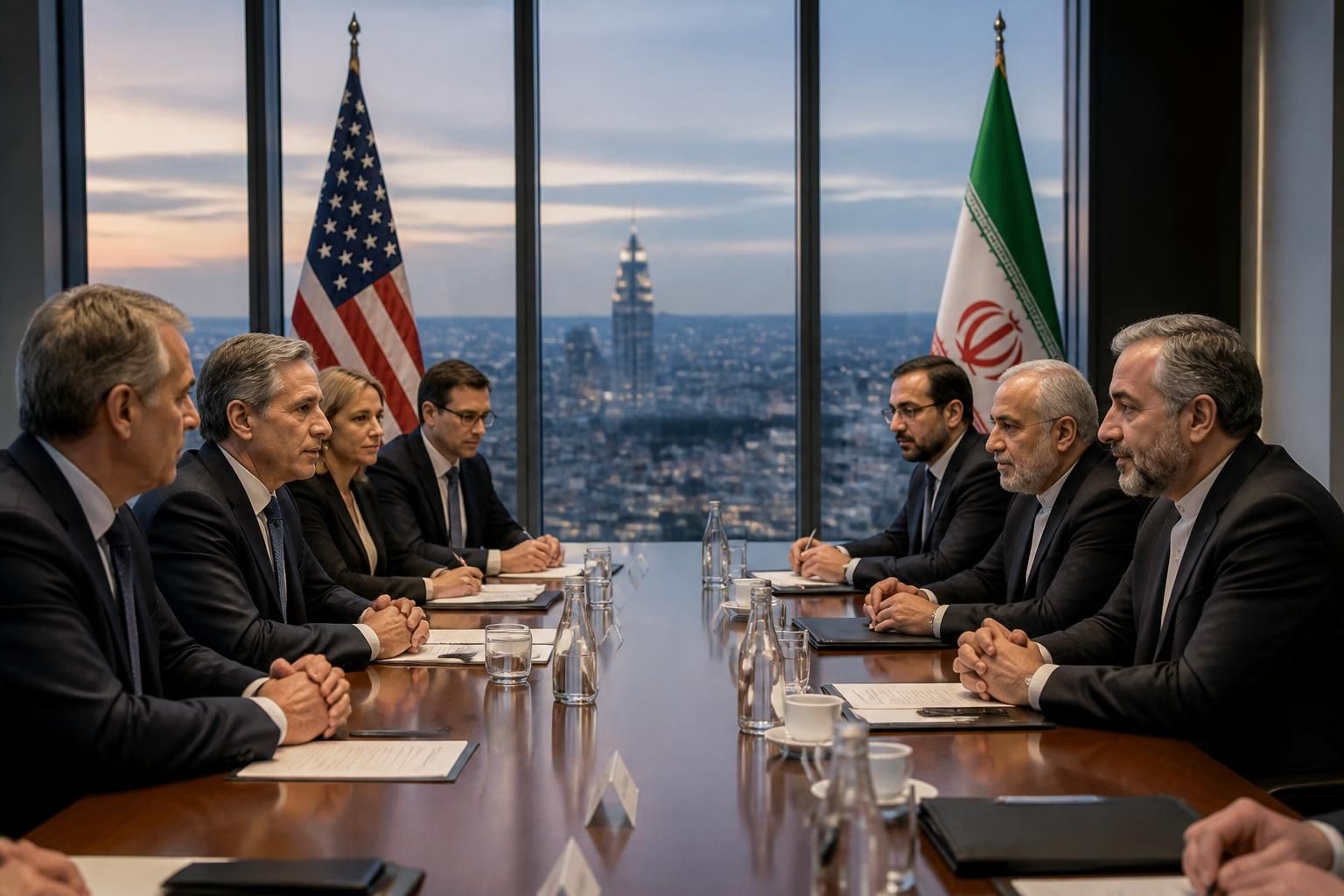
The tension between Iran and the United States remains among the most critical flashpoints in international relations as both nations inch cautiously towards a potential agreement. After a series of hostile encounters, including recent bombings that escalated conflicts in the Middle East, the dialogue continues amid unresolved disputes. The mediation efforts by regional players like Pakistan signal cautious optimism, but key issues such as nuclear enrichment and control of the Strait of Hormuz still block progress. Markets reflect this uncertainty, with financial indices like the S&P 500 nearing historic highs while oil prices remain elevated but stable. As these powerful nations grapple with complex challenges in foreign policy, the world watches closely for developments that could reshape the geopolitical landscape.
In brief:
- Iran and the United States have stalled in negotiations amid heightened tensions following recent military actions.
- Pakistan plays a mediating role, attempting to bridge gaps between Washington and Tehran.
- Contentious points focus on Iran’s uranium enrichment program and security control over the Strait of Hormuz.
- Financial markets remain on edge, with Bitcoin confined within a range, the S&P 500 near an all-time high, and oil prices stable but high.
- New Iranian military authority over the Strait of Hormuz adds complexity to diplomacy efforts in the region.
The State of Diplomacy Between Iran and the United States: Obstacles and Breakthroughs
The pursuit of an end to decades of conflict between Iran and the United States remains as challenging as ever. The recent assassination of Iran’s Supreme Leader Ali Khamenei by combined Israeli-American bombing has further complicated the fragile relations. This event intensified volatility in the Middle East and heightened fears of regional destabilization, particularly around the strategic and economically vital Strait of Hormuz.
Despite the tension, behind the scenes, vigorous talks continue with an emphasis on drafting a potential peace text. Diplomatic negotiations are being facilitated by Pakistan, whose chief of staff may soon reveal the terms of a proposed agreement. However, official statements from both sides remain cautious and non-committal. The United States signals a readiness to impose harsher measures if no progress is made, while Iranian leadership maintains that “all options remain open,” emphasizing their strategic stance.
Unresolved Contentious Issues Maintaining the Impasse
Notwithstanding the diplomatic efforts, fundamental disagreements persist. The nuclear deal remains the centerpiece of contention. The United States demands a halt to Iran’s uranium enrichment activities—a stance strongly resisted by Tehran, which views its nuclear program as essential to national sovereignty and regional influence.
Complicating matters further, Iran has asserted comprehensive military oversight of the Strait of Hormuz through a newly established authority. This move challenges the freedom of navigation and is a critical concern for global energy markets. Control over this narrow yet pivotal passageway is a significant leverage point in the ongoing international relations between the two countries.
Financial Markets React to the Uncertain Future of Iran-US Relations
The ongoing uncertainty surrounding the future of U.S.-Iran diplomacy directly influences global financial markets. Bitcoin, a beacon of decentralized finance, remains steady within a defined range, signaling cautious investor confidence amid geopolitical instability. Meanwhile, the U.S. stock market, as represented by the S&P 500, hovers near all-time highs, reflecting resilience but also an anticipation of potential volatility linked to foreign policy developments.
Energy markets are sensitive to tensions impacting the Strait of Hormuz, one of the world’s most important oil transit chokepoints. With the West Texas Intermediate (WTI) crude price at about $97.45 and Brent crude at $102.35 per barrel, the stakeholders monitor the situation closely. Any escalation in conflict could quickly send these prices soaring, with wide-reaching consequences for the global economy.