
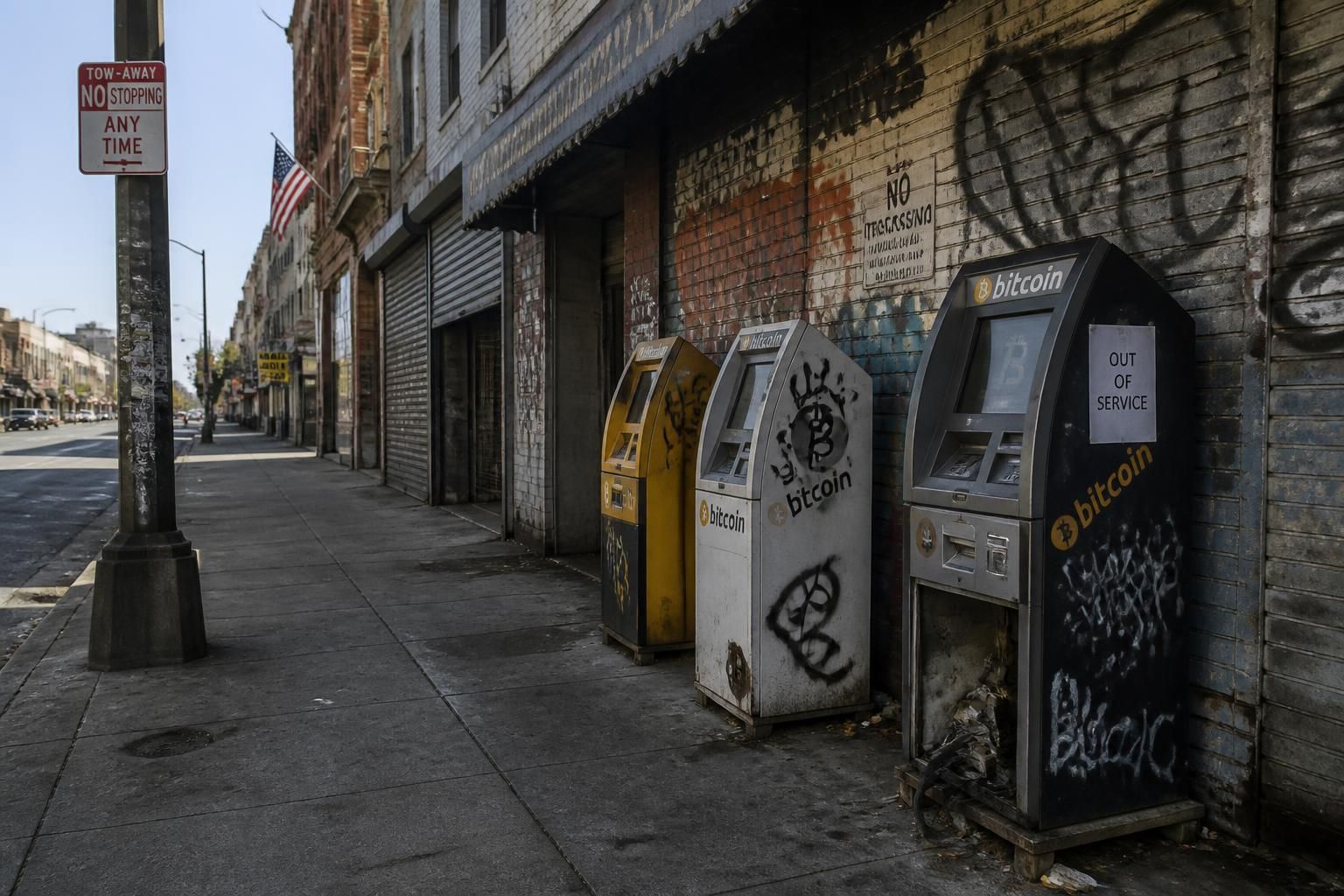
In the evolving landscape of Financial Technology, Bitcoin ATMs, once hailed as a revolutionary gateway to digital currency, are witnessing a notable decline across the USA. These machines, which offered a tangible connection to cryptocurrency by enabling cash withdrawals and purchases, are now steadily disappearing. This shift isn’t merely a market fluctuation but a reflection of tightening regulatory environments and growing concerns about misuse linked to these kiosks. As Bitcoin ATMs fade from convenience stores and gas stations, their impact on mainstream adoption of blockchain-based currencies prompts a deeper look into the future of cashless transactions within the American financial ecosystem.
Key points about the USA Bitcoin ATM trend:
- Over 1,000 Bitcoin ATM units have been removed globally since early 2026, with the United States leading this withdrawal.
- Bitcoin Depot, once the largest Bitcoin ATM operator in North America, filed for bankruptcy, shutting down its network due to regulatory pressures.
- Rising regulatory scrutiny and legal challenges are significant factors driving this decline.
- Canada, in contrast, shows resistance to this downtrend, signaling varying regional impacts on cryptocurrency accessibility.
- Bitcoin ATMs have been linked to increased fraud, leading to calls for stricter controls or outright bans in some regions.
Why Are Bitcoin ATMs Disappearing Across the USA?
Back in 2020, Bitcoin ATMs buzzed with activity, sprouting at a rapid rate, mainly concentrated in the USA. These machines presented an innovative way to bridge traditional cash with cryptocurrencies such as Bitcoin through a simple, user-friendly interface. However, the rapid expansion masked underlying issues. The rise in fraud cases and association with money laundering activities prompted authorities to impose increasingly stringent regulations.
The company Bitcoin Depot, a key player running over 9,000 kiosks, epitomizes the struggles faced by the industry. Forced by a challenging regulatory environment, Bitcoin Depot filed for bankruptcy in 2026 and ceased operations in the United States, Canada, and other markets. Their CEO highlighted that these evolving compliance requirements and legal actions rendered their business model unsustainable.
Regulatory Crackdowns and Their Effects on Cryptocurrency Access
Authorities have increasingly scrutinized Bitcoin ATMs due to their misuse for illicit transactions, including fraud and tax evasion, undermining the transparent ethos of blockchain. Many states, including Minnesota, have enacted bans, effective from mid-2026, reflecting the national trend toward tighter control.
This regulatory strain not only limits the physical presence of these ATMs but also signals the growing pains of integrating digital currency into the cashless economy. While operators eagerly supply access to Bitcoin and other cryptocurrencies, the industry faces the challenge of balancing convenience with security and compliance.
What This Means for Cryptocurrency Enthusiasts and Future of Cashless Digital Currency
Despite the decline in physical Bitcoin ATM locations, cryptocurrency remains a vibrant and transformative force within financial technology. Enthusiasts can still access digital currencies via online exchanges and digital wallets, circumventing the need for physical ATMs.
If you’re considering buying your first Bitcoin, it’s crucial to pivot towards secure digital platforms that provide robust compliance and user protection. The disappearance of many ATMs may actually nudge users toward safer, more integrated blockchain experiences, encouraging broader mainstream adoption.
Moreover, this evolution hints at the rise of comprehensive payment ecosystems that integrate cryptocurrency without direct cash involvement, reflecting a maturation in the digital currency market.
Alternative Solutions Filling the Void Left by Bitcoin ATM Decline
As ATMs vanish, digital financial services and exchanges continuously innovate to create seamless cashless experiences for cryptocurrency users. This includes tokenized asset trading platforms and enhanced mobile wallets that foster direct interactions with blockchain networks.
Cryptocurrency’s core mission – democratizing finance and empowering users globally – remains steadfast even amid these challenges. Exploring emergent trends like Polygon’s surge in tokenized finance reveals a thriving ecosystem beyond physical points of contact, strengthening the future of digital currency transactions.