
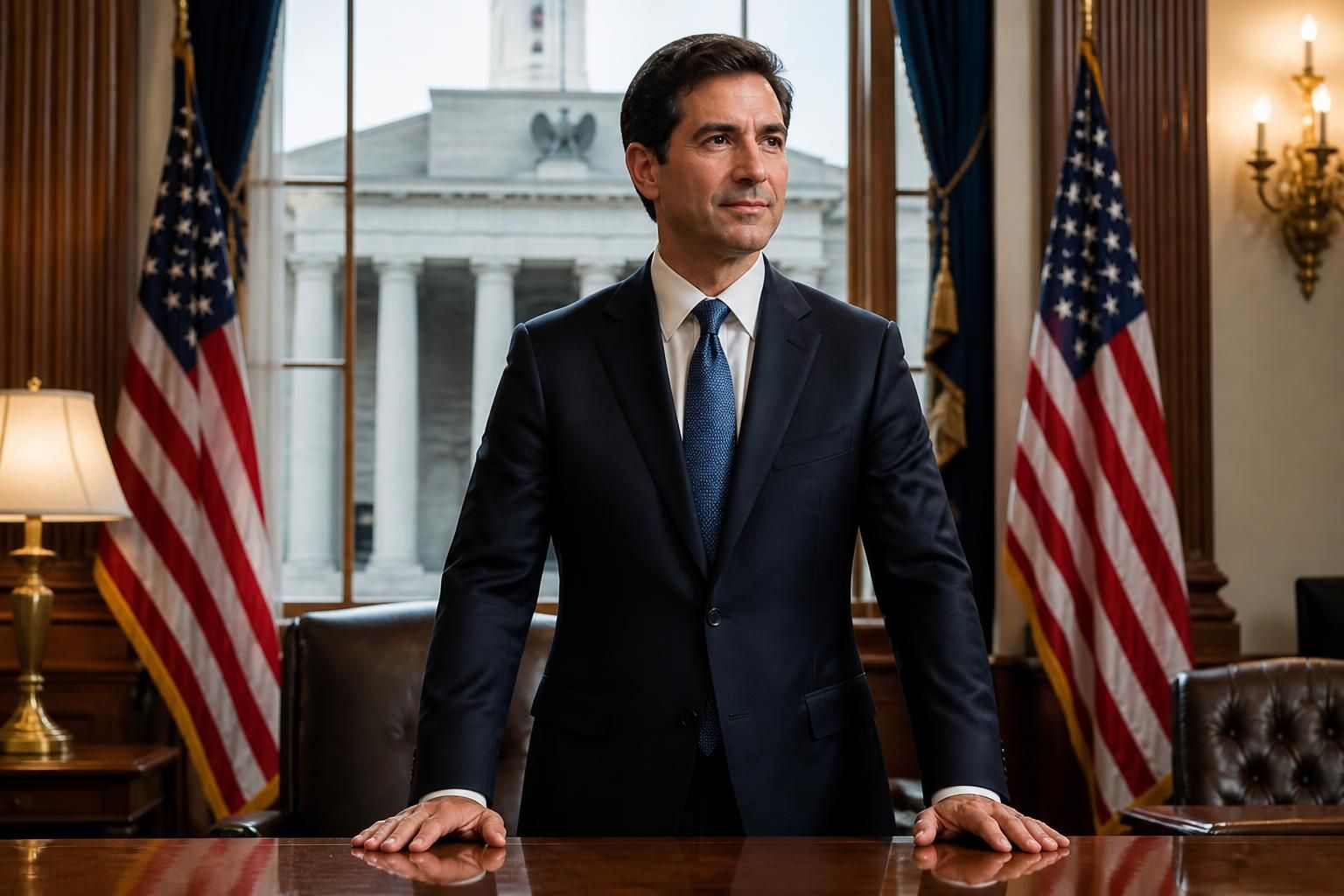
The U.S. Senate has officially confirmed Kevin Warsh as the new Fed Chairman, marking a critical shift in the leadership of the Federal Reserve. Following a closely contested Senate vote of 51 to 45, Warsh was appointed to succeed Jerome Powell, who has steered the central bank through turbulent economic conditions over the past several years. Warsh’s confirmation arrives amid heightened scrutiny and pressure on monetary policy, especially given his association with former President Donald Trump, who initially championed his appointment. As the new leader of the Federal Reserve, Warsh faces immediate challenges managing the US economy’s recovery, navigating inflation concerns, and sustaining the institution’s independence against political pressures.
Key highlights from the confirmation: Kevin Warsh’s appointment came after a notable Senate vote where he secured the approval primarily from Republican senators, with only one Democrat, Senator John Fetterman, crossing party lines in support. This partisan divide underscores the political complexities Warsh will inherit as Fed Chairman. Jerome Powell, while stepping down as Chair, will remain on the Federal Reserve Board as a governor until at least 2028, continuing to lend his voice in shaping monetary policy and defending the central bank’s autonomy.
Kevin Warsh’s Leadership Change Marks a New Chapter for Fed and US Economy
Taking the helm of the Federal Reserve, Kevin Warsh steps into a role fraught with economic uncertainty and evolving policy demands. His leadership change represents a fresh direction for monetary policy, as the central bank grapples with inflation rates that remain elevated compared to pre-pandemic norms. Warsh’s past experience and public stances suggest he may adopt a pragmatic approach, potentially balancing growth stimulation with inflation containment. However, given the ongoing tensions between political figures and the Fed, his capacity to maintain the institution’s independence will be crucial for long-term economic stability.
Senate Vote Paves Way for Fed Chairman’s Strategic Role
The Senate’s approval of Warsh confirms not only his position but also signals the legislative branch’s endorsement of a particular monetary policy direction. During the debate, concerns were raised about Warsh’s ties to previous administrations and how that might influence his decisions on interest rates, inflation targeting, and bank regulations. Ensuring consistent and transparent policy measures will be vital to garner confidence from markets and the public alike, as the Federal Reserve navigates an economy poised for gradual recovery yet vulnerable to external shocks.
Jerome Powell’s Legacy and Ongoing Influence within the Central Bank
Jerome Powell’s tenure as Fed Chairman included navigating historic crises, such as the COVID-19 pandemic, where aggressive rate cuts to 0.25% were implemented to stabilize the economy. Despite early appointment by President Trump in 2017, strained relations emerged over policy disagreements, especially with Trump criticizing Powell’s caution on rate cuts. As Powell transitions from Chair this year, he remains a Federal Reserve governor, ensuring his expertise and perspective continue to influence economic policy decisions.
Monetary Policy Challenges Amid Political Pressures
The Federal Reserve’s balancing act continues as Kevin Warsh assumes leadership amid calls for lower interest rates from some political quarters seeking to stimulate growth and trade advantages via a potentially weaker dollar. Warsh’s role will include managing these pressures while prioritizing the Fed’s mandate to ensure price stability and maximum employment. These efforts coincide with the current higher interest rate levels, which peaked at 5.5% in 2023 before stabilizing near 3.75% since December. How Warsh maneuvers these policy levers will set the tone for the US economic landscape for years to come.
As the Fed turns a new page, the ongoing discussions reflect broader questions about central bank independence, monetary policy adaptation, and the evolving role of the Federal Reserve within the global financial system. For those invested in cryptocurrencies, the stability or volatility of traditional currency policies remains an essential factor, with figures like Warsh reportedly maintaining a nuanced stance on digital assets. You can explore more about the linkage between central banks’ leadership and the crypto world by visiting this detailed analysis on Central Bankers and Jerome Powell.