
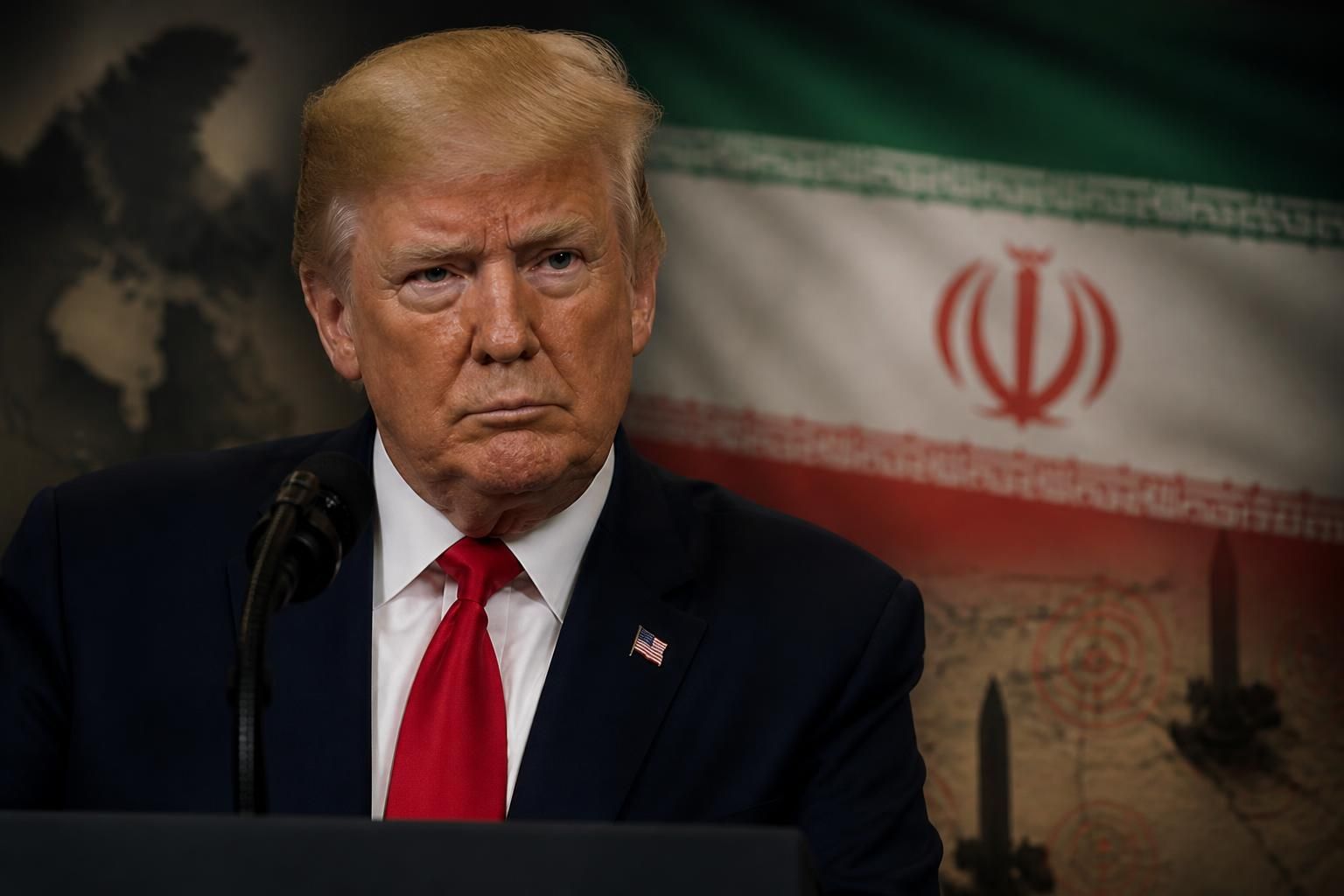
As tensions escalate in the Middle East, Donald Trump has updated his outlook on the conflict in Iran, signaling a potential shift toward prolonged instability. Initially optimistic about a swift resolution, the former U.S. president now warns that the war could extend over several months, a shift that resonates deeply with the geopolitical and economic landscapes of 2026. The conflict, originating from a U.S. and Israeli-led intervention, has entrenched itself in the strategic Strait of Hormuz, a vital artery for global oil shipments.
Since the onset of hostilities two months ago, the conflict has rippled beyond Iran’s borders, triggering significant hikes in oil prices and shaking markets that directly impact everyday lives worldwide. This turbulence not only heightens uncertainties in politics and diplomacy but also propels inflation and shifts investment strategies globally, including in emerging sectors like cryptocurrencies. The new forecast intensifies the urgency for traders and investors eager to navigate the volatile energy markets while considering the broader implications for global financial trends and security.
In brief:
- Donald Trump warns the Iran conflict could last several months, revising earlier predictions of a quick end.
- The war’s epicenter around the Strait of Hormuz escalates tensions across the Middle East.
- Global oil prices have surged dramatically since the conflict began, with Brent crude up over 36%.
- This prolonged conflict generates increased volatility impacting global politics, economics, and even the crypto markets.
Donald Trump Alerts to Long-Term Conflict and Economic Reverberations
During a recent gathering with leaders from the petroleum industry, Donald Trump acknowledged the likelihood of the U.S. blockade on Iran persisting for “several months,” which marks a departure from his prior assurances that peace was near. This realistic reassessment emerges amid intensified hostilities occurring now for over two months, carving deep uncertainties in the Middle East’s fragile peace and setting off ripple effects on global markets.
The Strait of Hormuz remains the conflict’s flashpoint, where strategic control dictates the flow of vast oil volumes essential to the global economy. The sustained tension has sent oil prices soaring, with Brent crude increasing by nearly 7% in a single day and over 36% since the inception of the conflict. These shifts compel investors and policymakers to reevaluate strategies and anticipate prolonged disruptions.
Geopolitical Uncertainty and the Role of Diplomatic Efforts
The build-up of tensions in the Middle East also places diplomacy under the spotlight. Trump’s administration, once confident in a swift resolution due to anticipated unified Iranian proposals, now faces a more fractured and complex situation. The extended conflict demands a renewed focus on diplomatic avenues, with Pakistan reportedly mediating ceasefire extensions and urging unification proposals from Tehran.
While ceasefire agreements have momentarily paused active strikes, the continuation of a naval blockade around Iranian ports signifies ongoing pressure designed to steer Tehran towards negotiation tables. This strategic containment aligns with global diplomatic maneuvers, highlighting the intricate politics enveloping the region and the broader implications on international stability and economic health.
Impact on Markets: Oil Price Surge and Broader Economic Effects
The protracted conflict’s immediate economic consequence is most palpable in the volatile rise of oil prices. Traders see the Strait of Hormuz’s blockade as a destabilizing risk that threatens supply chains and energy security worldwide. Such shifts feed inflation rates globally, affecting everything from transportation costs to manufacturing and consumer prices. This inflationary spiral complicates recovery efforts in many economies still grappling with post-pandemic rebuilding.
Beyond traditional markets, the conflict’s geopolitical tension also shapes emerging sectors like cryptocurrency. As geopolitical uncertainty rises, digital assets often attract attention for their potential resilience and decentralized nature. Investors are weighing these dynamics carefully, tapping into analyses discussing how Bitcoin and other cryptos may respond amid ongoing instability in the Middle East.
Strategic Insights for Investors Amid the Iran Conflict
In light of Donald Trump’s warning and the evolving conflict, savvy investors are urged to stay alert to both traditional and emerging signals. The volatile oil market means energy portfolios demand careful monitoring. Meanwhile, the crypto space presents intriguing opportunities, as assets like Bitcoin might offer a hedge against geopolitical risk and inflationary pressures.
Understanding these shifts helps investors convert uncertainty into opportunity, particularly by following expert discussions like those found on technology-driven crypto analyses and reports on Bitcoin’s resilience amid geopolitical tensions. These insights empower newcomers and seasoned players alike to harness the transformative power of digital currencies in a world shaken by prolonged conflict.