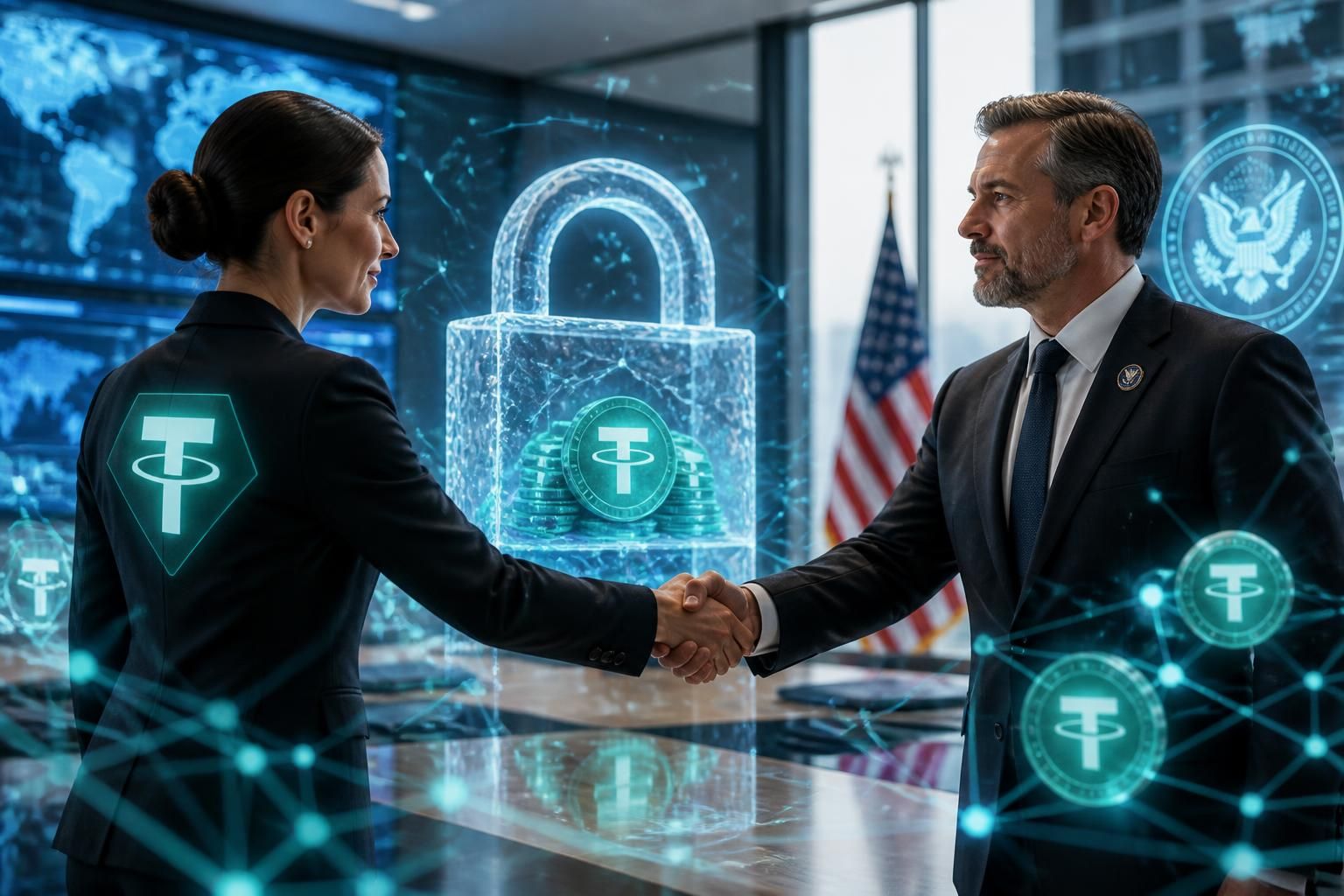
In a significant move that echoes the evolving dynamic between cryptocurrency platforms and regulatory forces, Tether, the issuer behind the popular dollar-pegged stablecoin USDT, has recently frozen $344 million in USDT tokens. This action, executed on the Tron blockchain, was conducted in close cooperation with U.S. law enforcement and the Office of Foreign Assets Control (OFAC), signaling a new height in blockchain compliance and proactive cryptocurrency enforcement. By locking down assets linked to illicit activities, Tether demonstrates its commitment to Tether security and reinforces the role of stablecoins in the carefully regulated ecosystem shaping the future of digital finance.
With over 340 law enforcement agencies across 65 countries partnering with Tether, this freeze is part of an extensive worldwide effort, which has cumulatively resulted in the freezing of more than $4.4 billion in digital assets. The USDT’s robust market capitalization exceeding $189 billion underlines the stablecoin’s centrality in the crypto world, particularly on blockchains like Ethereum and Tron. As the US strengthens its grip on digital currency frameworks, these financial freezes underscore the increasing demand for compliant and trustworthy stablecoins amidst tightening crypto regulation.
How Tether’s US Collaboration Advances Cryptocurrency Enforcement
Tether’s cooperation with US authorities marks a clear shift towards higher accountability and compliance in the crypto space. This $344 million freeze was not a one-off event but part of routine responses to lawful requests, reflecting a broader compliance culture aligned with regulatory expectations under frameworks like the GENIUS Act. The act, which came into effect in 2025, imposes strict guidelines on stablecoins including requirements for liquidity reserves, compliance obligations, and mechanisms allowing asset freezes when legally mandated.
This operational transparency directly benefits investors seeking safer paths in the tokenized finance space and institutional players exploring dollar-pegged stablecoins for payment innovations. The strategic alignment with agencies such as the OFAC also points towards a reinforced system that deters misuse of crypto resources for illicit purposes, including fraud or breaches of sanctions.
The Growing Role of Stablecoins in US Financial Strategy
Recently, the United States adopted a nuanced stance on digital currencies by rejecting a public Central Bank Digital Currency (CBDC) but boosting private stablecoins within a regulated environment. Former President Donald Trump’s 2025 executive order halted federal agencies from developing or promoting a CBDC, while endorsing the rise of regulated dollar-pegged stablecoins. In this evolving financial landscape, Tether’s proactive freezing of illicit funds embodies this dual approach: private sector innovation powered by stringent regulatory oversight.
Moreover, Tether’s ongoing freeze initiatives, which already totaled over $500 million in 2026—including this recent $344 million—illustrate how stablecoins are becoming an essential instrument of monetary policy enforcement. These assets can be swiftly immobilized or burned when sobriety to legal standards prevails, highlighting the contrasts with decentralized cryptocurrencies.
What This Means for Crypto Investors and the Future of Stablecoins
For newcomers and enthusiasts within crypto markets, Tether’s collaboration with US authorities brings reassurance about the stability and integrity of stablecoins like USDT. While some may worry about the implications of asset freezes on market liquidity and token freedom, this illustrates the increasing maturation of crypto assets under regulatory frameworks designed to enhance Tether security and overall market confidence.
With stablecoins playing a key role in the surge of stablecoin-based payments, compliance mechanisms make these digital currencies more attractive for institutional adoption. This is a clear invitation for crypto beginners to dive into a more secure and increasingly regulated environment where financial innovation meets responsible stewardship.
Exploring Blockchain Compliance Through Real-World Examples
Consider a hypothetical case: a company using USDT tokens in transaction chains is linked to illicit activities flagged by US law enforcement. Tether’s ability to freeze related funds promptly means these tokens can no longer circulate in criminal networks, showcasing practical effectiveness of blockchain compliance measures. This operational model fortifies trust in stablecoins and encourages wider acceptance of tokenized assets for legitimate commerce and finance.
The repercussions go beyond enforcement; they reshape the narrative of digital asset management, wherein issuers like Tether become pivotal actors balancing innovation and legality, thus fostering a safer environment to explore the fantastic potential of cryptocurrencies.