
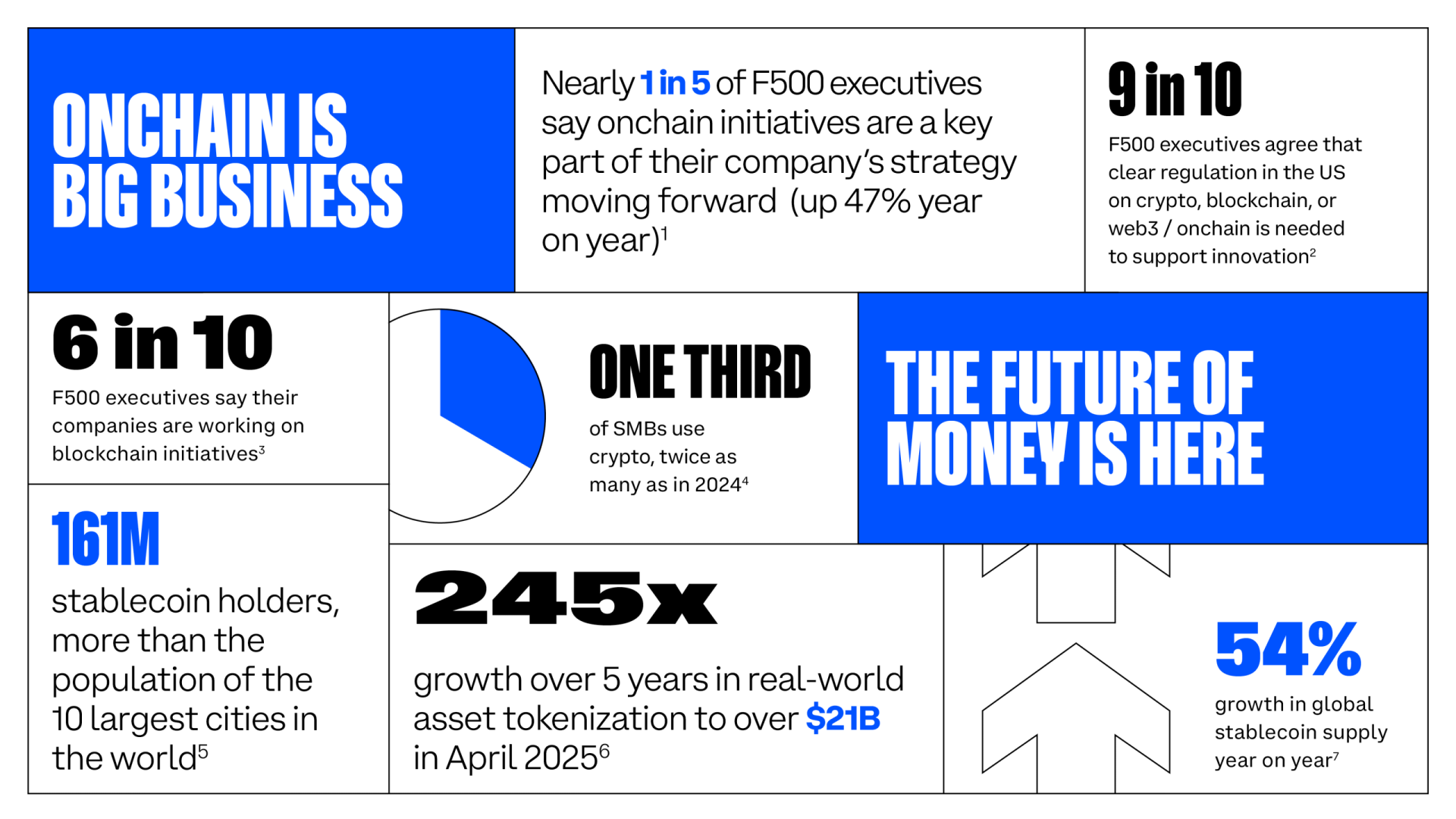
The rapid growth of stablecoins continues to transform the landscape of digital finance, triggering significant attention and debate among traditional banks and regulators worldwide. As of March 2026, these digital currencies pegged to fiat money are making waves, prompting institutions like Wells Fargo to dive headfirst into crypto-related services, signaling a decisive shift towards embracing the Web3 ecosystem. Meanwhile, the rise of stablecoins sparks concerns over potential impacts on the banking sector’s profitability and financial stability, stirring discussions about regulation and innovation in the digital currency arena.
Alongside this, the Bitcoin market is regaining momentum, with Bitcoin ETFs drawing substantial investor interest after a subdued phase in late 2025. Additionally, the younger generation’s enthusiasm for cryptocurrencies underlines a generational shift in attitudes towards digital assets. Yet, voices like Arthur Hayes remind us that macroeconomic trends, including monetary policy decisions, still hold sway over crypto’s trajectory, leaving the future as dynamic and exciting as ever.
In brief
- Stablecoins’ soaring popularity is raising concerns among banks about potential loss of deposits and profits.
- Major banks, including Wells Fargo, are accelerating their entry into the crypto and Web3 space.
- Bitcoin ETFs are witnessing a powerful resurgence with significant inflows on March 10, 2026.
- The younger generation embraces digital currencies, signaling a long-term shift in financial habits.
- Regulatory discussions intensify as the stablecoin boom challenges existing frameworks and calls for new rules to ensure financial stability.
How the Rise of Stablecoins Challenges Traditional Banks and the Financial System
The ascent of stablecoins is transforming how we perceive and use money. These digital assets, often pegged to traditional currencies like the US dollar, offer stability in value while leveraging blockchain technology’s efficiency. However, this innovation places banks in a complex position. Analysts from Jefferies warn that the rapid adoption of stablecoins might erode profits by drawing away deposits that banks have traditionally relied upon for lending and revenue generation.
This shift has already begun to materialize. Visa’s expansion of stablecoin usage to over 100 countries through its Bridge platform illustrates the growing acceptance of these tokens in mainstream digital payments. Banks fear that allowing interest yields on stablecoins, as crypto firms advocate, could essentially turn these tokens into unregulated equivalents of deposit accounts, undermining the banking system’s traditional roles.
Explore how US banks are responding to the stablecoin challenge for a deeper understanding of regulatory tensions and industry adjustments in this evolving space. The balancing act between embracing digital innovation and maintaining financial system stability is now a defining narrative for banking institutions worldwide.
Wells Fargo’s Strategic Leap into Crypto and the Web3 Ecosystem
In a clear signal that big banks no longer view cryptocurrencies as fringe technology, Wells Fargo has filed the trademark “WFUSD” to launch its own stablecoin-linked services. Their focus on the Cosmos ecosystem shows a strategic alignment with decentralized finance innovations and the expanding Web3 frontier. Job offers related to blockchain expertise reinforce the bank’s commitment to integrating crypto services within its portfolio, aiming to capture the market’s growing demand.
This move illustrates how financial powerhouses are not only adapting to but actively shaping the future of digital currencies. It also demonstrates a recognition that stablecoins, beyond being mere transactional tools, could become fundamental building blocks in the digital transformation of finance.
The Resurgence of Bitcoin ETFs and Generational Shift toward Digital Assets
March 10, 2026, marked a notable upturn in Bitcoin ETF investments, reflecting renewed investor confidence in this digital gold. The inflows reaching nearly $247 million, led primarily by IBIT and FBTC funds, ended a streak of withdrawals seen at the end of 2025. The 7-day average inflow surge to $140.4 million from $101.2 million signals a vibrant recovery and growing appetite for crypto-exposure within regulated investment products.
Adding to this momentum, data shows that the generation Z cohort in the United States significantly favors cryptocurrencies, with about 32% of this demographic integrating crypto into their investment choices. This enthusiasm for digital currencies rivals their interest in other speculative markets such as sports betting, underscoring a profound shift in how future generations perceive wealth and opportunity—a pivotal factor shaping the broader adoption of digital assets.
These dynamics suggest that crypto is transitioning from a niche market to a mainstream asset class, supported by innovative financial products, evolving regulatory frameworks, and changing investor psychology.
Regulatory Landscape and the Quest for Financial Stability in the Digital Currency Era
The meteoric rise of stablecoins has placed regulators in a position where they must balance fostering innovation with safeguarding the integrity of the financial system. The introduction of bills like the Genius Act represents efforts to clarify regulatory boundaries while addressing bank concerns about stablecoin yields. This legislative attention underscores the delicate relationship between crypto markets and traditional financial institutions.
Moreover, voices from the broader economic sphere, such as Arthur Hayes, emphasize how monetary policies, including potential future money printing, might influence Bitcoin’s price trajectory, further intertwining macroeconomics with crypto markets. Hayes’ stance, despite Bitcoin surpassing $70,000 and more than 20 million BTC mined, highlights ongoing debates about the roles of digital currencies amid evolving monetary landscapes.
For a closer perspective on regulation influencing crypto developments, check out recent discussions on regulatory impacts and the political debates surrounding stablecoin yields.