

In the midst of geopolitical turmoil marked by the recent American-Israeli strikes on Iran and the death of Supreme Leader Ali Khamenei, the behavior of traditional safe-haven assets like gold and silver has starkly contrasted with that of Bitcoin. On March 3, 2026, while gold prices plunged by as much as 5.3% and silver suffered a dramatic 11% decline, Bitcoin exhibited remarkable resilience, losing only 1.97%. This divergence challenges long-held assumptions about the roles of precious metals and cryptocurrencies in times of crisis, signaling a shift in market trends and investor strategies.
Initially, as tensions escalated, gold surged to $5,440 per ounce and Bitcoin rebounded to $70,000, following their historical perception as safe harbors during uncertain times. However, a game-changer occurred when Iran announced the closure of the Strait of Hormuz, cutting off nearly a fifth of global oil transit. This dramatic move triggered a sharp rise in oil prices, stoked fears of renewed inflation, and led to a stronger U.S. dollar—a classic recipe for selling off assets like gold, silver, and cryptocurrencies to free up liquidity. Yet, the impact was uneven: silver, with its industrial demand, suffered the sharpest drop, gold followed suit, while Bitcoin and Ether’s declines were significantly milder. This pattern underscores Bitcoin’s emerging status as a contender among traditional safe havens, especially amidst increasing global volatility.
Bitcoin’s Rising Role Amidst Gold and Silver’s Decline
The contrasting fates of gold, silver, and Bitcoin during this volatile period illustrate a significant evolution in investor behavior. While precious metals have historically been the go-to safe havens, their recent declines highlight vulnerabilities tied to global economic cycles and industrial demand. Silver’s dual role as a precious metal and industrial commodity made it particularly susceptible to fears of an economic slowdown, intensifying its plunge.
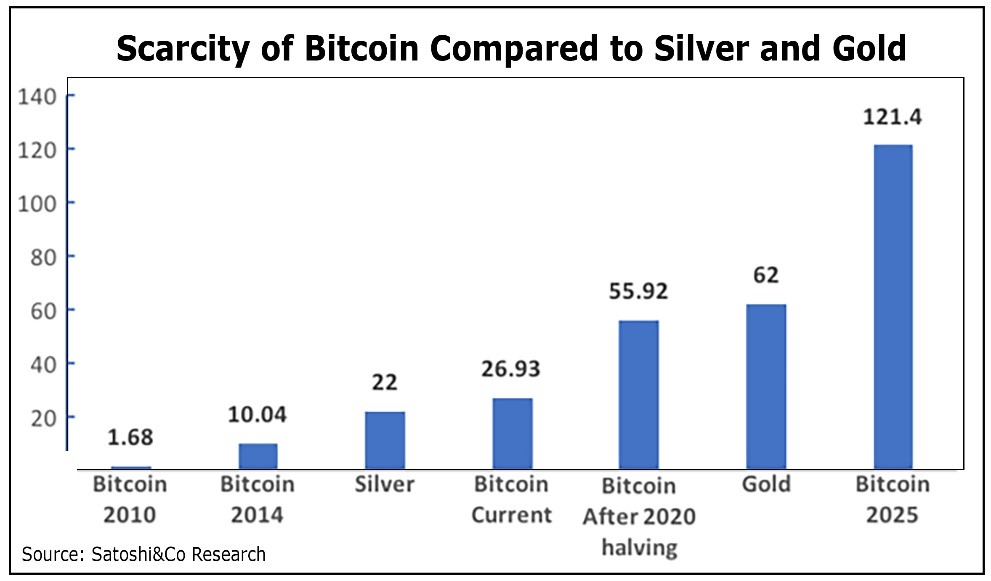
Bitcoin’s relatively stable reaction—within a 2% drop during intense geopolitical stress—suggests a new kind of resilience. Unlike gold, which is geographically mined and affected by upstream industrial demand, Bitcoin’s decentralized, digital nature allows it to evade some traditional market pressures. This evolving dynamic is a critical point of discussion for investors choosing between digital and physical assets to shield against risk.
How Inflation and Currency Strength Influence Safe Havens
The recent geopolitical upheaval rekindled inflation fears, pushing oil prices higher and strengthening the U.S. dollar to levels not seen since January 19. Inflation expectations typically bring a rise in interest rates, and consequently a stronger dollar, which puts pressure on commodities that don’t yield income, like gold and silver. This environment often leads to liquidation of assets to favor the dollar, affecting all traditional safe havens simultaneously.
Bitcoin, however, showed relative stability in this stress test, confirming its growing role not just as an investment alternative but possibly as a more nimble store of value in a world where volatility dominates. Investors may increasingly view cryptocurrency as a protection against fiat currency devaluation, even as the macroeconomic backdrop remains uncertain.
Investment Strategies in an Era of Market Uncertainty
Given this shifting landscape, investors are challenged to rethink their portfolios. Traditional assumptions about gold and silver as ultimate safe-haven assets need updating in light of Bitcoin’s demonstrated resilience. While digital assets still contend with volatility, the capacity of Bitcoin to withstand and rebound from shocks faster than precious metals makes it an emerging cornerstone in diversified strategies.
However, the future is not without risks. Should the Strait of Hormuz remain closed and oil prices stay elevated, inflationary pressures could mount further, limiting central bank flexibility. In such a scenario, risk-averse investors might favor income-generating assets over Bitcoin, which does not produce yields. Yet, for those willing to embrace innovation and the digital shift in investment, Bitcoin presents a compelling alternative to traditional safe havens, intertwining technology, security, and decentralization.
Deepening Your Understanding of Bitcoin’s Potential
For those eager to grasp the full implications of cryptocurrency in today’s global economy, numerous resources shed light on Bitcoin’s evolving position. From its use as a hedge against geopolitical tensions to its fluctuating role amid inflationary cycles, understanding Bitcoin is paramount. Exploring detailed analyses, such as the evolving Bitcoin safe haven concept or learning about its navigate through geopolitical tensions, can greatly empower investors making choices in volatile markets.