
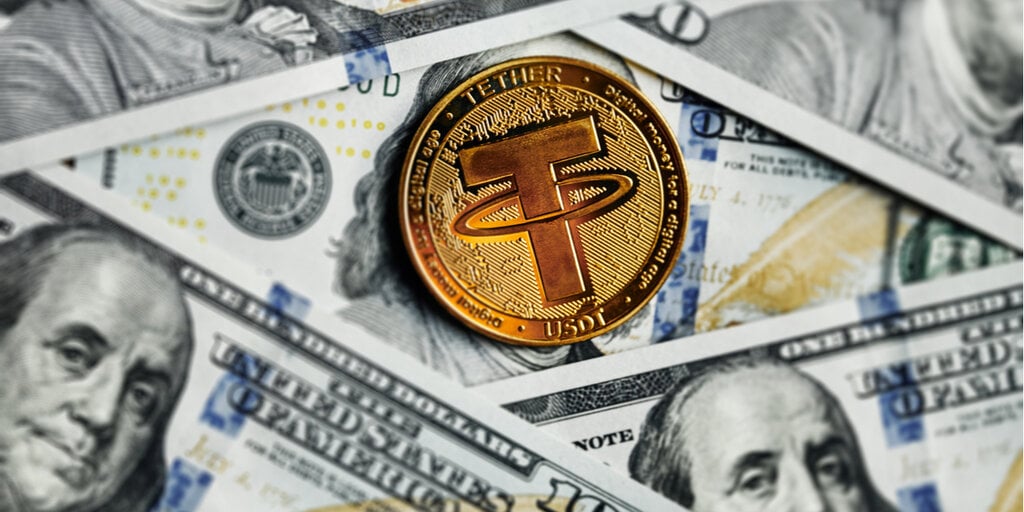
In a striking example of how the evolving landscape of crypto regulation impacts the global financial scene, Tether recently collaborated with Turkish authorities to freeze a substantial amount of digital assets valued at €460 million. This move highlights the expanding role of stablecoin issuers in combating financial crime and asset seizure within the crypto world, especially as governments ramp up efforts to enforce compliance and cut down on illicit activity facilitated through blockchain technologies and digital currency.
While cryptocurrencies like Bitcoin are celebrated for decentralization and censorship resistance, many stablecoins, including Tether’s USDT, remain centralized to some extent. This centralization permits issuers to intervene, such as freezing tokens associated with suspicious or illegal operations upon official request. The case involving Turkey’s legal system underscores the power—and responsibility—that stablecoin platforms now shoulder in preventing financial wrongdoing.
Tether’s Role in Turkey’s €460 Million Cryptocurrency Asset Freeze
In early 2026, Tether responded decisively after Turkish authorities approached the company concerning assets tied to a high-profile case. Paolo Ardoino, Tether’s CEO, confirmed that following thorough verification of the Turkish government’s information, Tether took action to freeze crypto assets equivalent to €460 million connected to the suspect Veysel Sahin. Sahin is alleged to have orchestrated illegal betting platforms, with his holdings including immovable property, bank accounts, and large quantities of stablecoins now secured through this freeze.
This intervention is emblematic of a growing trend where major crypto custodians assist law enforcement agencies worldwide in tracking and restraining digital assets linked to criminal activity. Tether’s transparency in cooperating with various law enforcement bodies, including the FBI and local ministries of justice, marks an important stride in enhancing legitimacy and trust within the crypto ecosystem, often perceived as risky by traditional finance players.

The Implications of Centralized Stablecoins in Asset Seizure
Stablecoins like USDT offer undeniable benefits—such as price stability and ease of use—making them a favored entry point for cryptocurrency novices. However, the centralized control retained by issuers means they can arbitrarily freeze or restrict access to funds on a blockchain address, unlike truly decentralized coins. The Turkish asset freeze serves as a powerful case study in understanding this duality.
The incident reveals the delicate balance between empowering users with digital sovereignty and enabling authorities to curb unlawful financial activity. For those new to this space, recognizing these limits is crucial. While decentralized currencies like Bitcoin resist censorship by design, many stablecoins provide a mechanism for compliance, paramount in jurisdictions enforcing strict crypto regulation.
Global Collaboration and Future Crypto Regulation Trends
Tether’s involvement in over 1,800 compliance cases worldwide—freezing approximately $3.4 billion in crypto assets combined—demonstrates increased collaboration between digital currency platforms and regulators. In Turkey, the process of repatriating seized assets underscores how blockchain’s traceability can be harnessed to support justice systems. Yet, this also prompts conversations about privacy and the extent of control wielded by centralized stablecoin entities over users’ holdings.
Developments like China’s expanding regulatory framework for stablecoins and other tokenized assets signal an international shift toward rigorous control over the crypto markets. Understanding such movement is essential for anyone investing or engaging with cryptocurrency today. For beginners aiming to protect their investments wisely, exploring resources on secure storage and compliance awareness is more vital than ever. Efforts can begin here with guides on prudent financial transactions, highlighting practical strategies for using crypto effectively while mitigating risks, exemplified by tutorials on bank transfers and safe crypto payment methods.
As cryptocurrency continues to mature, its integration with regulatory standards across multiple countries, including Turkey’s recent action, marks a pivotal chapter in its journey from niche technology to mainstream financial instrument.
Lessons for Crypto Enthusiasts and New Investors
For newcomers, the Turkish asset freeze demonstrates two essential lessons: first, the power of blockchain transparency as a tool for fighting financial crimes; second, the importance of differentiating between decentralized and centralized digital assets. Knowing these distinctions equips investors to navigate the rapidly evolving crypto market with confidence.
With platforms like Tether actively facilitating cooperation with authorities, the landscape is becoming one where security and legal compliance coexist with innovation. This dual aspect fosters greater adoption and trust, essential for driving the cryptocurrency revolution forward.