
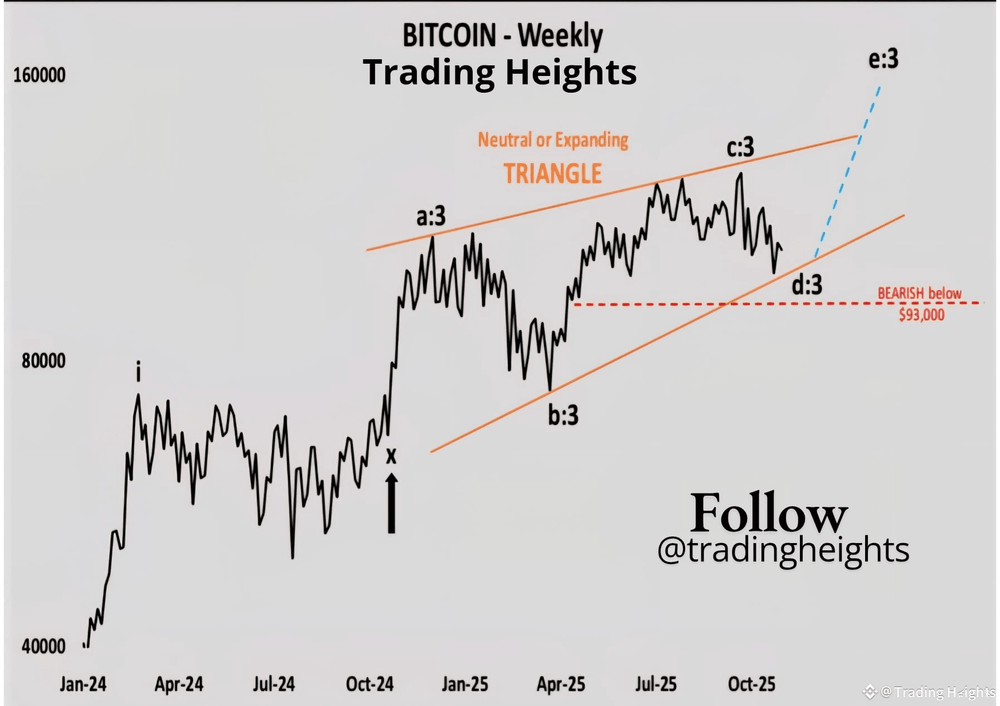
In a dramatic turn of events shaking global markets, both traditional and digital assets have faced a widespread decline. Gold, which had been ascending to new heights in recent weeks, suddenly plummeted by 8% in less than an hour. This sharp drop erased over $3 trillion from its market capitalization, an alarming figure that echoes throughout the financial world. Concurrently, Bitcoin, the leading cryptocurrency, fell once again to below $85,000. After a promising climb earlier in the year, this setback highlights the volatile nature of cryptocurrency markets and the risks involved for investors eager to ride the wave.
Over the last 24 hours, nearly 950 million dollars worth of crypto positions have been liquidated, affecting over 227,000 traders, with more than $630 million wiped out just within the past four hours. This sell-off coincides with the plummeting of gold prices, marking one of the most significant simultaneous declines in recent times and raising important questions about the stability and future of gold and Bitcoin as investment options moving into 2026.
Brief:
- Gold plunges 8% in less than an hour, wiping out over $3 trillion market value.
- Bitcoin falls below $85,000 amid a sharp market downturn.
- Crypto market sees $950 million in liquidations, impacting over 227,000 traders.
- Silver and other precious metals also face significant declines alongside gold.
- Market experts consider this a correction following rapid price gains earlier this year.
Bitcoin Falls Below $85,000: What This Means for Cryptocurrency Investors
The crypto market is hardly a stranger to volatility, but the recent drop pushing Bitcoin below $85,000 is a sobering reminder of how swiftly market conditions can change. For many investors, especially beginners, understanding these fluctuations is crucial. The sheer volume of liquidations—nearly one billion dollars in a day—demonstrates a widespread market crash as traders scramble to cover positions or exit altogether.
This retreat after Bitcoin’s impressive growth this year emphasizes the importance of preparing for unpredictable moves in the market. If you’re new to crypto, it might be the perfect moment to explore how to avoid common pitfalls and make informed decisions amidst such turbulence. Even seasoned traders recognize that downturns are part of the path to long-term gains.
Gold’s Sharp Decline: A Wake-Up Call for Precious Metal Investors
Gold had been considered a refuge amid economic uncertainty, but the steep 8% decline in just an hour disrupts that narrative. This staggering plummet erased an astronomical $3 trillion in market value, shaking confidence among investors traditionally reliant on precious metals as a safeguard.
Some analysts attribute this fall to a market correction following a rapid surge in gold prices, which reached a peak of about $5,600 earlier the same day before crashing back near $5,400. The fall wasn’t isolated—silver also dropped over 10%, proving that the precious metals sector is undergoing a widespread adjustment. This situation is critical for those weighing the merits of gold versus Bitcoin as safer bets in the coming years.
For those interested in the broader implications of gold’s movements and its relationship with cryptocurrencies, the insights shared in Goldman Sachs’ take on crypto and gold provide valuable context.
How Market Dynamics are Driving These Intriguing Shifts
The synchronized decline in gold and Bitcoin prices points to broader market dynamics influencing both digital and traditional assets. The rapid sell-off suggests a collective risk aversion triggered by various global economic factors, including geopolitical tensions and unexpected policy moves impacting commodities and cryptocurrencies alike.
For new investors navigating this landscape, learning how these forces interplay can be a game-changer. Crypto experts often recommend exploring foundational guides like the cryptocurrency basics guide to grasp the intricacies behind market behaviors and prepare for potential future fluctuations.