
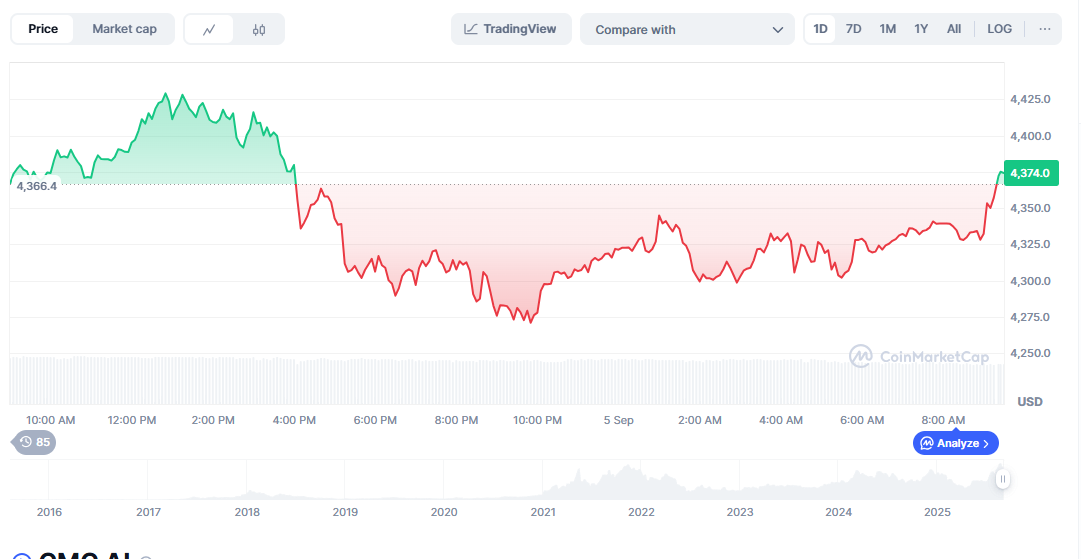
The Ethereum network, a cornerstone of the cryptocurrency space, is experiencing a remarkable shift. Transaction fees have plummeted to their lowest point since May 2017, even as the network handles a record volume of transactions. This unexpected combination marks a pivotal moment in blockchain technology, signaling both increased efficiency and greater accessibility for users worldwide. The significant decline in gas prices, driven by recent upgrades and innovations, is transforming how individuals engage with Ethereum and broader cryptocurrency markets in January 2026.
As Ethereum continues to push the boundaries of what blockchain can achieve, understanding these changes is crucial for anyone starting their crypto journey. Lower transaction costs not only encourage more frequent use but also open doors for newcomers who may have been deterred by high fees. This update fits into a larger context where blockchain advancements intersect with evolving global markets and new partnerships, reinforcing Ethereum’s position as a dynamic and user-friendly platform.
Ethereum’s Transaction Fees Reach Lowest Level Since May 2017 Amid Rising Network Activity
January 2026 has ushered in an impressive era for the Ethereum blockchain, with transaction fees falling to historic lows that haven’t been seen in nearly a decade. According to onchain data, daily gas prices on Ethereum have dropped below levels common before the network’s explosive growth phase, reaching just a fraction of previous fees. This fee drop is especially notable given the surging number of daily transactions, which recently peaked near 2.9 million, demonstrating robust and growing network use.
This remarkable efficiency stems from major technological advancements, including the Fusaka hard fork implemented in late 2025. This update significantly tripled the block gas limit, effectively increasing the network’s capacity to process more transactions at reduced costs. As a result, network users benefit from faster, cheaper transactions, which makes Ethereum an attractive choice for both developers and everyday users exploring how to get started with cryptocurrency.
Why Ethereum’s Lower Gas Prices Matter for Crypto Beginners
For anyone just entering the world of cryptocurrencies, the dramatic reduction in Ethereum’s transaction fees is a game-changer. Lower fees mean it costs less to send, receive, or interact with smart contracts on the Ethereum network, reducing a significant barrier to entry. This supports increased adoption, particularly for users who want to explore decentralized finance or NFT markets without accumulating high costs.
Underpinning this change is an ecosystem trend towards Layer 2 solutions and scalability upgrades that have improved not just speed but accessibility. If you’re new to crypto, exploring the impact of these developments can enhance your understanding of how blockchain can be both powerful and practical. Resources like guides on transaction fees can help you grasp these concepts effectively and optimize your initial experiences on Ethereum.
Ripple Expands Blockchain Presence in Saudi Arabia While Market Dynamics Evolve
Elsewhere in the blockchain space, Ripple is making significant strides in the Middle East, specifically through a partnership with Jeel in Saudi Arabia. This collaboration is tied to the ambitious Vision 2030 initiative, aiming to leverage blockchain for transformative economic applications. Such moves highlight the global reach and growing relevance of blockchain technology beyond just crypto trading.
These geopolitical and economic waves coincide with broader shifts in the cryptocurrency industry, including evolving debates around Bitcoin as a possible challenger to traditional monetary systems. Notably, figures like Tucker Carlson have sparked conversations about Bitcoin’s potential to supplant the US dollar as a reserve currency, illustrating how digital assets are influencing global frameworks.
Market Implications of Low Fees and High Ethereum Network Demand
The combination of increased Ethereum transaction volume and reduced fees has important ramifications. It suggests a maturing blockchain that can sustain heavy usage without cost penalties, unlike earlier years when network congestion drove fees sky-high. This balance is critical for the network’s competitiveness against other blockchains and traditional financial platforms.
For newcomers, these trends point to more than just cost savings; they reveal Ethereum’s strengthened infrastructure and potential for innovation. Whether you’re interested in decentralized applications or simply want to participate in the cryptocurrency market, understanding Ethereum’s current state offers valuable insights into the future of digital finance.