
In the shifting landscape of global finance in 2026, the debate over trust between traditional central banks and the revolutionary cryptocurrency Bitcoin has never been more intense. At the recent World Economic Forum in Davos, this discussion reached new heights as François Villeroy de Galhau, the governor of the Banque de France, and Brian Armstrong, founder of Coinbase, exchanged contrasting views on financial sovereignty, monetary policy, and the future role of money in society. While Bitcoin continues to captivate enthusiasts with its promise of decentralization and a fixed supply immune to inflation, established institutions highlight the essential role of regulatory frameworks and democratic legitimacy that underpin central banks’ influence on economic stability.
This evolving dialogue touches on core issues such as financial stability, inflation control, and the balance between innovation and security. Notably, the question arises: could Bitcoin ever become a dominant monetary standard challenging the euro and other fiat currencies? This query remains contentious as central banks emphasize their role in public trust and effective oversight, whereas cryptocurrency advocates point to Bitcoin’s independence from any centralized issuer, showcasing its revolutionary decentralization potential.
The conversation not only reveals differing perspectives but also signals a future where coexistence might shape a healthier monetary ecosystem, driven by competition and informed choice regarding trust and control over one’s financial destiny.
In Brief:
- The dialogue between central banks and Bitcoin centers on trust, control, and sovereignty in monetary policy.
- Central banks maintain confidence due to their democratic mandates and regulatory role for financial stability.
- Bitcoin’s fixed supply and decentralized protocol attract users seeking protection against inflation.
- Both systems face pressures and scrutiny, producing a healthy competition shaping future monetary trust.
- Understanding these dynamics is key for anyone venturing into cryptocurrency or traditional finance in 2026.
Understanding Why Central Banks Retain Public Trust Over Bitcoin
Despite Bitcoin’s rising prominence as a cryptocurrency challenging conventional money, central banks remain the cornerstone of global monetary authority due to their unique role in monetary policy and safeguarding economic stability. François Villeroy de Galhau recently underscored that central banks operate within democratic frameworks with mandates to ensure inflation control and financial security, which builds profound public trust.
This trust comes not only from their governance structures but also from their interventions during financial crises, such as asset stabilization or liquidity provisions, which cryptocurrencies currently cannot replicate. For instance, the robust response by central banks worldwide during turbulent market phases has demonstrated their indispensable function in maintaining systemic stability and confidence.
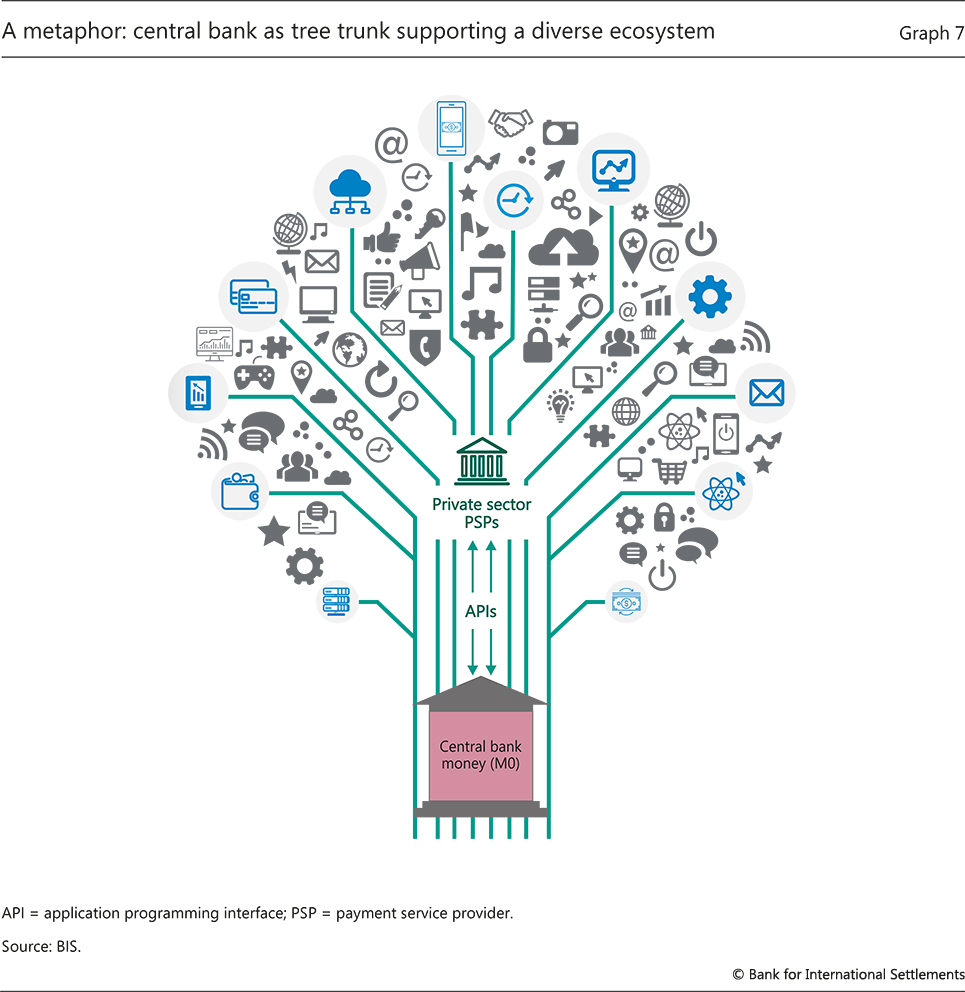
Moreover, central banks increasingly adapt by exploring blockchain and tokenization technologies, as shown by moves described in reports on initiatives like the tokenization of assets, positioning themselves as part of the evolving financial ecosystem rather than opponents of innovation.
Why Bitcoin’s Decentralization Challenges Traditional Trust Models
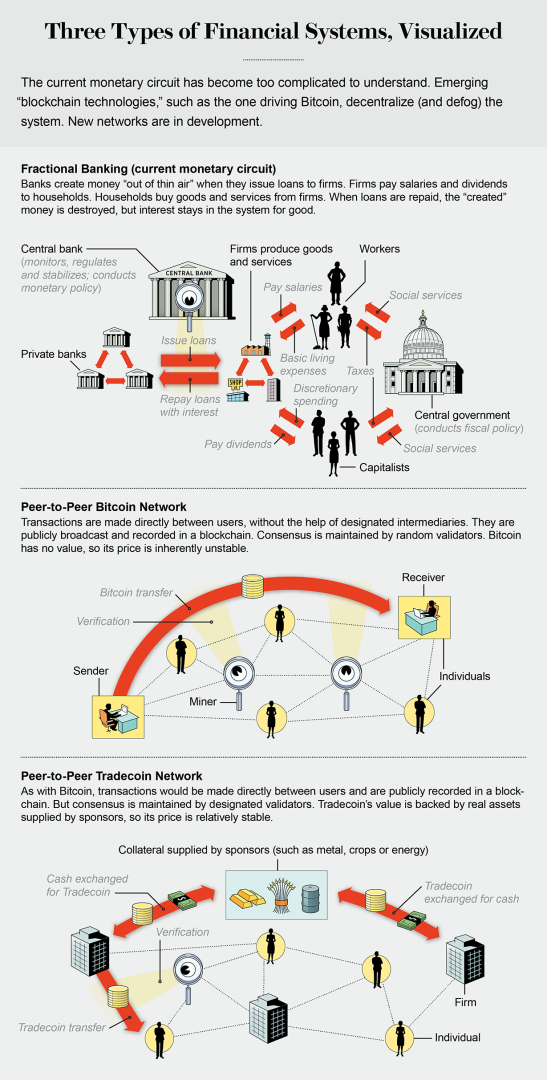
Bitcoin, by design, is a decentralized protocol with no central issuer, a feature celebrated by many as granting unparalleled freedom and security against interference. As Brian Armstrong highlighted at Davos, this independence from any government or central authority means Bitcoin offers users control over their assets without risk of arbitrary seizure or policy-driven devaluation.
This setup, however, introduces new layers of complexity for users who must rely on cryptographic security and network consensus rather than institutional accountability. Unlike central banks, Bitcoin cannot adjust supply or monetary conditions to react to economic changes, a point often debated regarding its ability to serve as a stable store of value or reliable medium of exchange.
The question then changes from whether one should trust Bitcoin to understanding trust differently: from centralized assurance to cryptographic security and transparency.
Bitcoin’s rising popularity as a “digital gold” aligns with this, having properties similar to gold’s scarcity and borderless accessibility but without the backing of any government body, making public trust a personalized choice rather than a collective one.
The Role of Regulation and Financial Security in Maintaining Trust
In 2026, the presence of clear regulation is crucial in balancing innovation with protection. Central banks have historically implemented measures to stabilize markets and control inflation, reinforcing their role as trustworthy institutions. The governance, transparency, and legal frameworks surrounding fiat currencies contrast with the perceived risks of digital assets, such as hacking or fraud, underscoring concerns around security in the cryptocurrency space.
Recently, high-profile incidents like the analysis of crypto thefts and the settlements of major crypto exchange cases remind investors of ongoing vulnerabilities despite strong technological foundations. These challenges fuel ongoing debates about how best to regulate digital currencies while fostering innovation and avoiding stifling growth.
This regulatory environment is evolving, with some central banks exploring the concept of digital currencies issued by themselves—known as CBDCs— which centralize control but seek to marry the benefits of cryptocurrency with sovereign oversight. This contrasts with Bitcoin’s pure decentralization but may provide a middle ground for those prioritizing security and legal clarity.
Monetary Policy, Inflation Control, and the Public’s Choice in Trust
Monetary policy remains a critical function for maintaining economic balance and trust in currency. Central banks adjust interest rates and control money supply to target inflation and support growth, actions invisible in Bitcoin’s static supply model. This flexibility assures many governments that the economy can respond dynamically to crises, a sentiment strongly echoed by leaders like Villeroy de Galhau.
Nonetheless, distrust towards central banks persists, particularly amid concerns over uncontrolled money printing and currency debasement. Bitcoin advocates see its fixed cap of 21 million coins as a safeguard against inflation erosion, prompting many investors to view BTC as a potential hedge against fiat uncertainties. The ongoing dialogue reflects a multifaceted choice, as citizens weigh the accountability and regulation of central banks against the decentralized security and scarcity of Bitcoin.
Educational resources such as guides on how to buy Bitcoin are flourishing, empowering new participants to make informed decisions about their financial future in this faster-evolving space.