
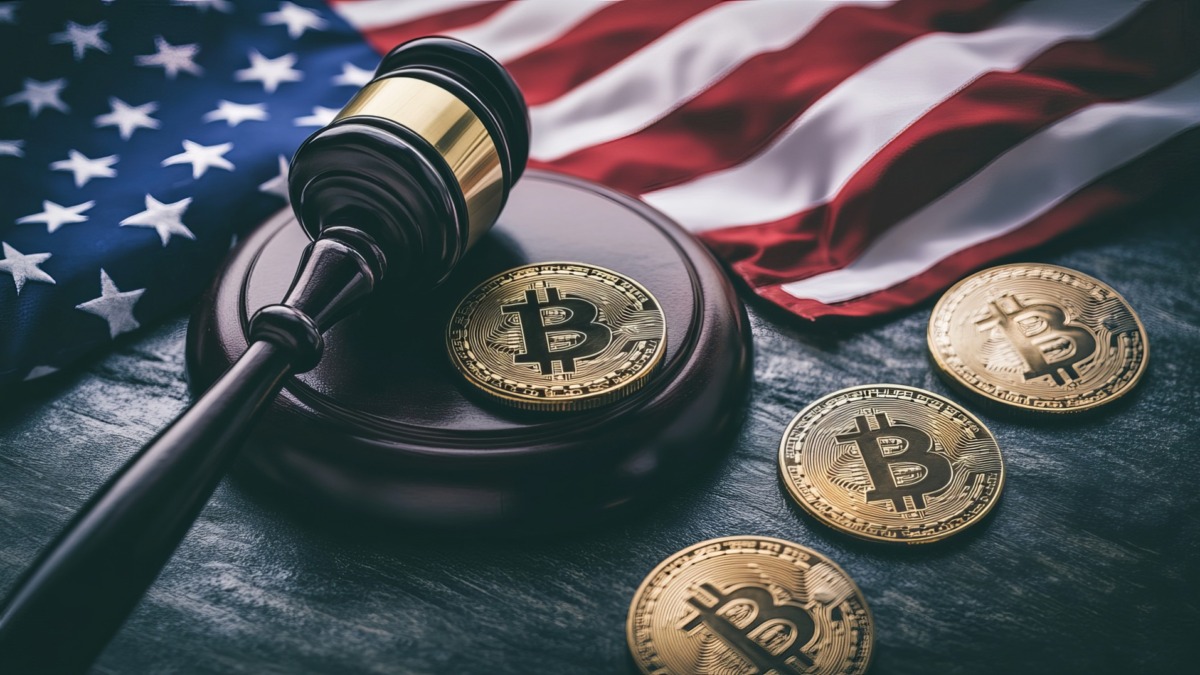
The anticipation surrounding the implementation of US Crypto Legislation in early 2026 has hit a significant hurdle. What once seemed like a straightforward path following the July adoption of the GENIUS Act for stablecoins is now clouded by emerging obstacles. The Senate Banking Committee’s recent decision to postpone the bill signals deeper tensions within the legislative process, as crypto industry leaders rally against elements of the proposed cryptocurrency regulation. This delay reflects both political complexities and substantial industry backlash, raising questions about the future of digital currency law and government crypto oversight in the United States.
With digital assets continuing to redefine finance, the stakes have never been higher. Lawmakers face the challenge of balancing innovation with security, all while managing divergent views on regulatory authority between agencies like the SEC and CFTC. The evolving discourse around this legislation reveals a strategic pause to refine the bill, yet also exposes the market impact and uncertainty facing stakeholders eager for clear crypto policy.
Senate Banking Committee’s Postponement: Navigating Challenges in US Crypto Legislation
The Senate Banking Committee’s decision to defer the examination of the proposed digital currency law has disrupted expectations for a swift regulatory overhaul. Originally envisaged as a natural follow-up to the GENIUS Act, which laid foundational rules for stablecoins last year, the broader crypto market legislation now faces delays extending potentially into 2027.
This strategic regulatory delay stems partly from politically charged factors, such as concerns over upcoming midterm elections and an unsettling rise in insider trading allegations. However, it also reflects substantive debates on the bill’s content. Critics argue that some provisions resemble heightened surveillance measures on par with the historically controversial PATRIOT Act. This has intensified the industry backlash, with voices from crypto innovators and investors questioning the balance between market integrity and freedom.
Industry Concerns and the Call for Clearer Crypto Policy
Key personalities in the crypto ecosystem have voiced strong opposition to elements of the current bill draft. Brian Armstrong, CEO of Coinbase, notably underscored the risks of accepting the legislation as it stands. His assessment highlights major sticking points such as:
- A prohibition on tokenized securities which could hinder innovation;
- Enhanced surveillance over decentralized finance (DeFi) platforms that threaten privacy;
- Unbalanced regulatory influence favoring the SEC over the CFTC;
- The removal of profitable incentives linked to stablecoin yields.
Armstrong’s public criticism exemplifies the industry backlash fueling the postponement, as companies involved in digital asset markets seek legislation that fosters growth rather than imposes stifling restrictions. This response is a pivotal factor shaping the legislative strategy moving forward, compelling lawmakers to revisit complex trade-offs inherent in crafting effective crypto regulation.
The Broader Market Impact of Government Crypto Oversight
This episode underscores the tension between regulatory precaution and market dynamism. Postponing the crypto bill introduces uncertainty for investors and firms alike, especially when considering the importance of clear rules to sustain confidence in digital currencies as part of the broader financial ecosystem. Moreover, the ongoing debate between the SEC and CFTC over jurisdiction signals deeper systemic questions about how cryptocurrency fits within traditional regulatory frameworks.
Recent developments suggest that while the regulatory timeline has stretched, efforts to establish a comprehensive framework remain active. The Senate Agriculture Committee’s earlier decision to delay their review further illustrates that multiple facets of the crypto bill require exhaustive examination. The ultimate objective is to devise a legal infrastructure that protects consumers, supports innovation, and asserts US leadership in the digital currency space—without suffocating it.
For those passionate about the transformative potential of cryptocurrency, these delays highlight the critical yet delicate process of shaping US crypto policy. The road ahead demands ongoing dialogue between lawmakers and industry pioneers, ensuring that regulatory progress aligns with the dynamic nature of digital assets, rather than imposing outdated constraints.
Understanding the Implications of Regulatory Delay on Digital Currency Law
Beyond the immediate legislative challenges, the postponement carries long-term implications for how the US approaches cryptocurrency regulation. The intensifying scrutiny embedded in the bill’s language risks ushering in a level of government crypto oversight that some compare to sweeping national security measures. Scrutinizing this perspective, it’s important to recognize how sensitive digital assets remain to privacy and innovation concerns.
The interplay between regulatory bodies, particularly the SEC’s growing emphasis on control, raises questions about the future operational environment for crypto businesses. A disproportionate regulatory footprint could redirect innovation offshore, weakening the US’s competitive edge—a scenario that many within the market are keen to avoid.
Those following these developments in detail can explore related discussions at US crypto surveillance debates and stay abreast of ongoing crypto market updates.
Meanwhile, entities like Coinbase are also navigating separate legal challenges, including multiple lawsuits from US states, adding layers of complexity to their stance on legislation. This confluence of pressure points amplifies the importance of measured policy-making that both mitigates risks and propels growth.
A Vision for a Balanced Future in US Crypto Governance
Steering through this intricate landscape requires legislators to embrace collaboration with innovators and law enforcement while resisting overly harsh measures. As Senator Tim Scott emphasized, there is commitment to shaping legislation that offers clear rules protecting consumers, strengthens national security, and ensures the future of finance evolves within US borders.
For investors and enthusiasts eager to understand how US banks and their relation to stablecoins play into this context, resources such as the GENIUS Act and bank partnerships shed light on evolving intersections between traditional finance and cryptocurrency.