
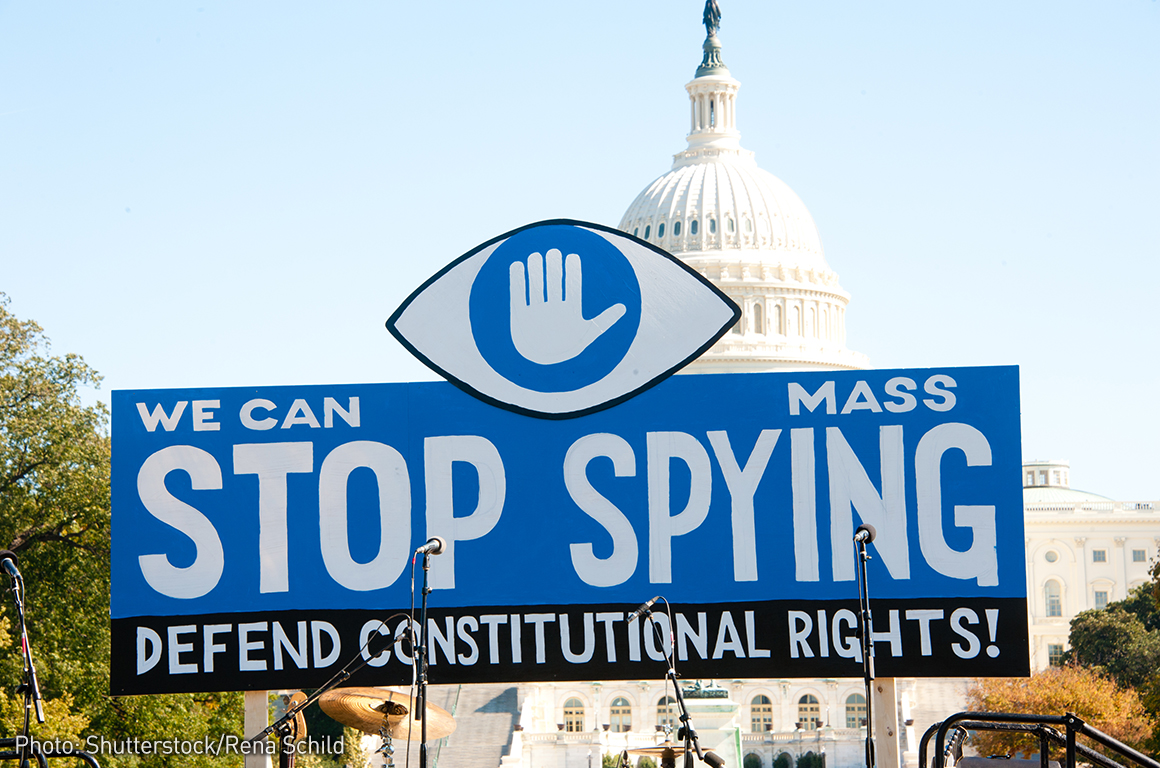
The year 2026 is shaping up to be a landmark moment for US crypto legislation, promising to establish a comprehensive regulatory framework aimed at fostering innovation and security within the digital asset space. However, beneath the surface of this anticipated progress lies a potential expansion of government monitoring that could surpass any financial surveillance since the enactment of the PATRIOT Act. As the Senate Banking Committee debates a new crypto bill, concerns mount over unprecedented oversight measures embedded within its text—raising important questions about privacy, civil liberties, and the true impact of cryptocurrency regulation on everyday investors and innovators alike.
In brief
- The proposed US Crypto Legislation in 2026 aims to regulate digital currencies with a focus on security measures and market clarity.
- Galaxy Digital’s research warns of unprecedented surveillance powers granted to the US Treasury, reminiscent of the reach of the PATRIOT Act.
- New government monitoring could include temporary freezing of suspicious transactions without court orders, extending oversight to DeFi platforms.
- The bill continues to push forward protections like self-custody for users and developer safeguards, though limitations remain.
- There are growing privacy concerns and fears of overreach impacting civil liberties within the digital currency ecosystem.
US Crypto Legislation’s Impact on Digital Currency Oversight and Privacy Concerns
The momentum toward formal cryptocurrency regulation in the United States has accelerated with the emergence of a comprehensive legislative draft currently under review by the Senate Banking Committee. This legislation promises to bring crucial clarity and structure to a rapidly evolving market that has long operated in a legal gray zone. But this progress comes with a caveat highlighted by Alex Thorn, Director of Research at Galaxy Digital: the scale of government monitoring proposed is historically unprecedented.
This bill aims to empower the US Treasury with significantly greater authority, including the power to impose “special measures” on transactions deemed suspicious for money laundering. Unlike previous acts such as the bipartisan CLARITY Act, the new framework allows for temporary freezes on crypto transactions without judicial oversight—marking a dramatic expansion in Surveillance capabilities. Additionally, blockchain networks and decentralized finance (DeFi) applications come under stricter AML (anti-money laundering) and sanction controls, signaling a new era of intensive regulatory scrutiny that could reshape how these ecosystems function.

Legislative Impact on Government Monitoring and Market Innovation
While the bill contains significant advancements regarding user protections, including formal recognition of self-custody rights and developer legal shields, the shadow cast by broad surveillance powers cannot be ignored. From a civil liberties perspective, this shift invites robust debate—how do we balance the imperative to combat illicit finance with the preservation of privacy in a decentralized digital economy?
This debate is consequential. The expanded oversight could deter innovation in US-based cryptocurrency projects and stifle adoption by users wary of invasive government tracking. As this legislation progresses, it will be crucial to consider how its provisions align with core principles of freedom and user sovereignty that have attracted so many to cryptocurrency in the first place.
Security Measures Echoing the PATRIOT Act: What Investors Need to Know
A key element drawing sharp criticism is the resemblance of these new surveillance powers to those established under the 2001 USA PATRIOT Act. By granting the Treasury Department the ability to freeze transactions and impose AML requirements across a broad spectrum of crypto activities—not merely on centralized exchanges but including DeFi front-ends—this crypto bill could herald the most influential government intrusion into financial privacy since the post-9/11 era.
For investors and crypto enthusiasts, this signals a shift toward increased oversight that entails both risks and responsibilities. Monitoring wallets extensively, as discussed in recent reports on tax authorities’ wallet surveillance, and restricting certain activities such as stablecoin interest payments, could reshape the incentives within digital currency markets. The banking sector’s recent victory in limiting stablecoin interest payouts illustrates the growing influence of traditional finance in shaping cryptocurrency policies.
Balancing Innovation and Civil Liberties in the Age of Cryptocurrency Regulation
The evolving regulatory landscape challenges stakeholders to advocate for a balance that safeguards civil liberties while maintaining robust security measures. The final contours of this legislation will likely influence how digital currencies are integrated into daily financial life, affecting everything from trading opportunities—such as those detailed in exchange pair updates—to the legal status of novel cryptographic technologies embraced by pioneers like the Winklevoss twins and Zcash projects.
In parallel, the granting of financial licenses, such as those awarded by Abu Dhabi to Binance, show the contrasting global regulatory climate compared to the US’s increasingly stringent environment (Binance Abu Dhabi license news). This juxtaposition highlights the pivotal crossroads at which US crypto legislation stands—between fostering growth and enforcing control.